
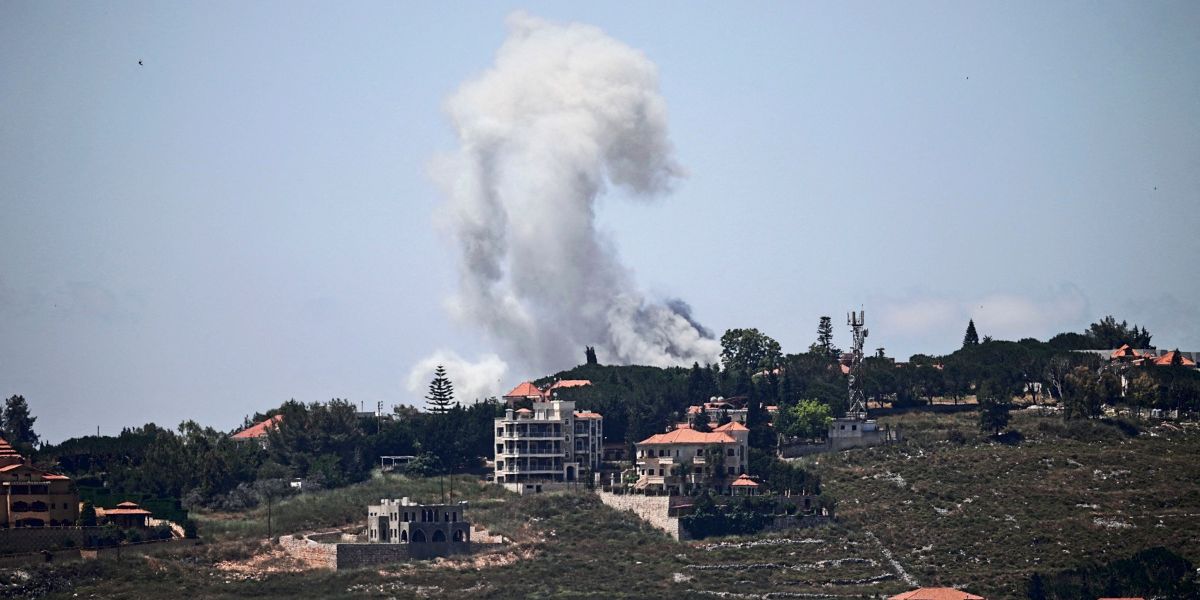
Israel and Hezbollah have intensified cross-border attacks, with the Lebanese army reporting at least two fatalities from Israeli strikes in southern Lebanon, while Israel’s military confirmed an operation targeting a military vehicle that killed multiple personnel. The conflict, which has seen sporadic truces fail to hold, now includes evacuation orders for civilians and a humanitarian toll in the West Bank, as diplomatic efforts face mounting challenges.
Escalation in Southern Lebanon
Israeli forces conducted over 150 strikes on Hezbollah positions in southern Lebanon within 48 hours, according to the Israeli military, while Hezbollah retaliated with rocket attacks on northern Israel. The Lebanese army reported two officers and one soldier killed in an Israeli strike on a military vehicle near al-Chardali, which the Israeli military later claimed was justified due to the vehicle’s “suspicious” movement in a previously evacuated zone. The Lebanese president, Joseph Aoun, condemned the attack as a violation of sovereignty and international law, calling it part of a broader pattern of Israeli aggression aimed at undermining peace efforts. Tagesschau reported the casualties, while the Israeli military emphasized that the vehicle’s location and potential Hezbollah ties prompted the strike.
Evacuation Orders and Civilian Impact
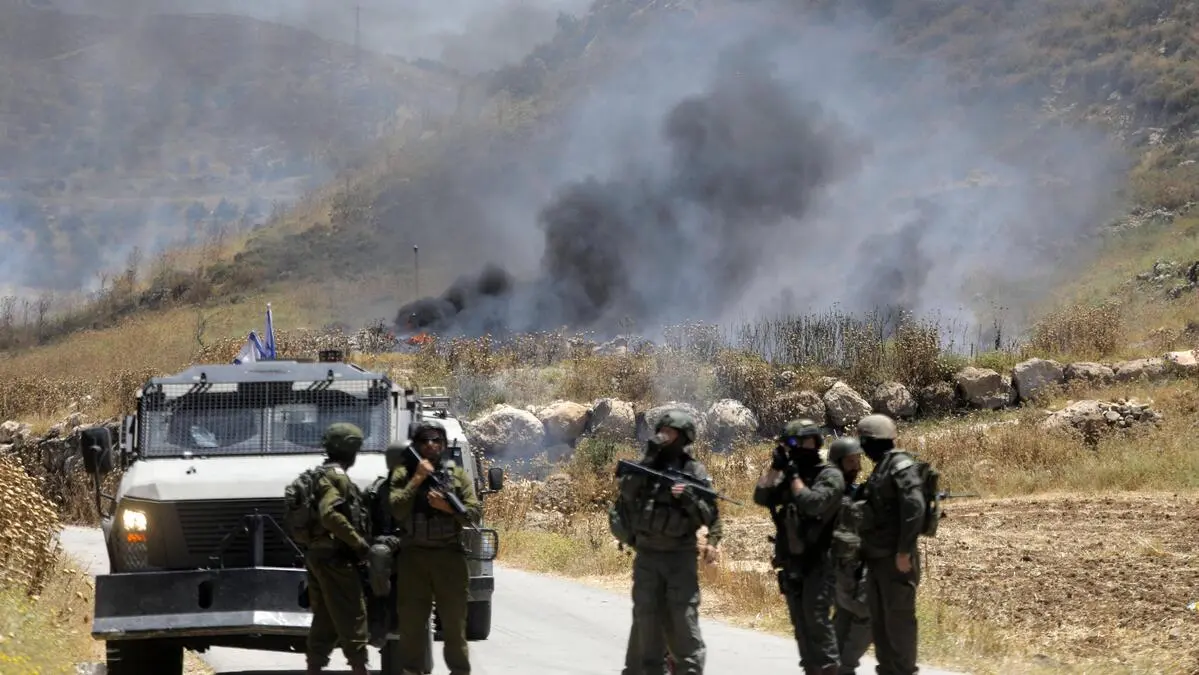
The Israeli military issued evacuation orders for five southern Lebanese villages, warning residents to flee to areas north of the Sahrani River due to “Hezbollah threats.” The directive, framed as a precaution against militant activity, has displaced thousands, exacerbating a humanitarian crisis. Meanwhile, a seven-month-old Palestinian baby died in the West Bank after Israeli soldiers opened fire on a vehicle, according to the Palestinian Health Ministry. The Israeli military claimed the attack followed a “high-speed approach” by the vehicle, though the family disputes this, stating the car had stopped. DiePresse detailed the incident, highlighting the growing civilian casualties in both regions.
Diplomatic Efforts and Regional Tensions
Despite recent U.S.-brokered talks, a fragile ceasefire between Israel and Lebanon has collapsed, with Hezbollah rejecting proposed terms. The Lebanese army chief, Rodolphe Hajkal, visited Pakistan, where his counterpart, Asim Munir, is mediating between the U.S. and Iran. AFP cited a source stating that Lebanon’s role in negotiations is critical, though Hezbollah’s continued attacks complicate any resolution. The conflict has also strained Lebanon’s internal cohesion, with displaced Shiite communities facing suspicion from other religious groups, as reported by the Kurier, which noted rising fear and mistrust among Beirut’s residents.
Humanitarian and Geopolitical Consequences
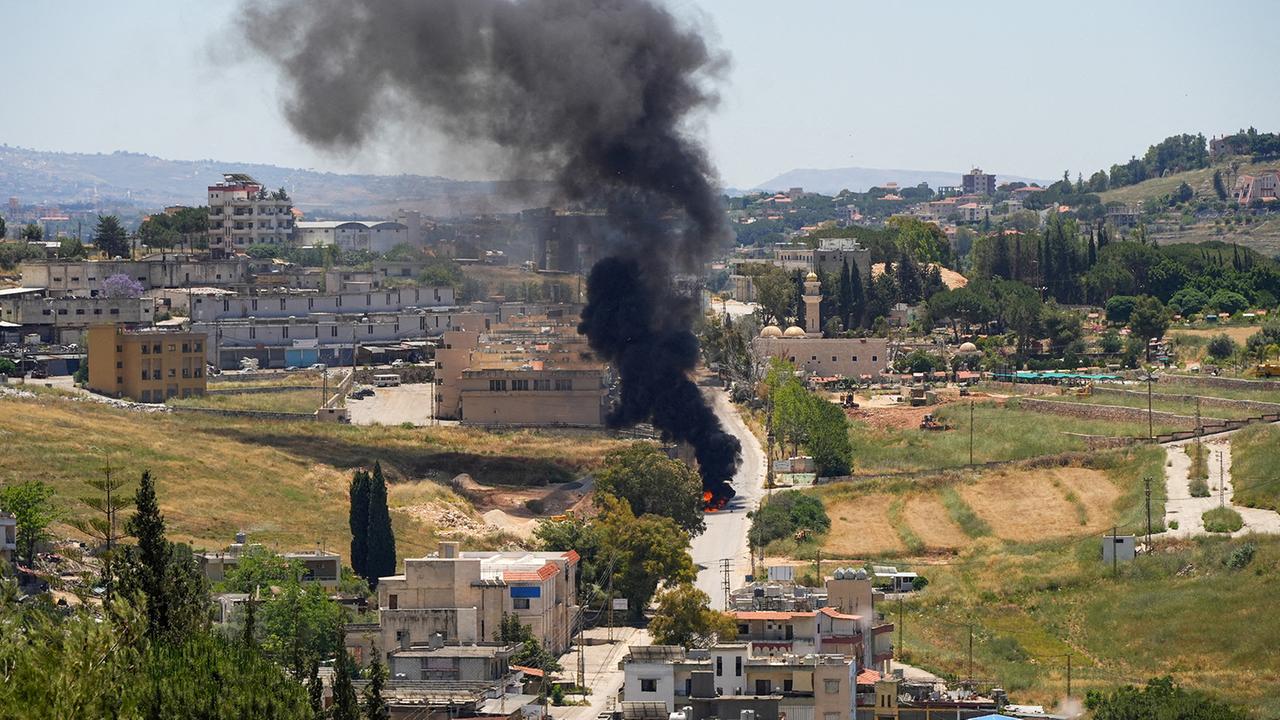
The violence has deepened regional instability, with Hezbollah’s attacks on Israel and Israel’s strikes on Lebanese infrastructure fueling cycles of retaliation. The U.S. and Iran, key external actors, face pressure to mediate, but Hezbollah’s refusal to abide by ceasefire terms has stalled progress. Analysts warn of a prolonged conflict, with the potential for wider regional involvement. The Lebanese government, caught between its allies and the militant group, struggles to balance sovereignty with security, as seen in Aoun’s condemnation of Israeli actions. News.google highlighted the logistical challenges of managing both military and civilian fallout, including the displacement of over a million people.
The situation underscores a broader pattern of conflict where diplomatic efforts repeatedly falter under the weight of entrenched hostility. As both sides prepare for further escalation, the human cost—and the risk of broader regional fallout—looms large. What remains unclear is whether any party can break the cycle without significant external pressure or a shift in strategic priorities.
