

Israel’s military killed a senior Lebanese Army general in a targeted airstrike near the southern border on Thursday, June 4, 2026, as tensions between Israel and Iran reached a new flashpoint following a U.S.-backed ceasefire in Lebanon. The strike, which also killed eight other individuals, was confirmed by the Israeli Defense Forces (IDF), which emphasized that the operation was directed at Hezbollah-affiliated forces, not Lebanese military personnel. Iran’s government, meanwhile, urged Lebanese President Nabih Berri to confront Israel’s “real foe” amid rising fears of a broader regional war.
Israel’s Strike on Lebanese General and Escalation with Iran
The strike occurred as Israel and the U.S. continued airstrikes against Iranian-backed targets in Lebanon and Syria, including a reported attack on Iran’s intelligence minister earlier this week. According to a statement from the Iranian Foreign Ministry, the strike on the intelligence minister—identified as General Esmail Kiani—was carried out by Israeli forces in Damascus on May 30, 2026. The ministry condemned the attack as a violation of international law and a direct threat to regional stability. Israel has not publicly confirmed the strike but has previously acknowledged targeting Iranian operatives in Syria under the banner of “self-defense.”
UN Report Accuses Israel of Systematic Discrimination and Forced Displacement
A United Nations report released in late 2025 accused Israel of implementing an “institutionalized regime of systematic discrimination, oppression, and violence” against Palestinians in the occupied West Bank, including forced displacements and accelerated settlement expansion. The report, issued by the UN Office of the High Commissioner for Human Rights (OHCHR), cited over 36,000 Palestinians forcibly displaced since November 2024. Israel’s UN mission rejected the findings, calling them part of an “anti-Israel narrative machine” and stating that the report ignored Israel’s efforts to protect civilians in conflict zones. The OHCHR report also highlighted the approval of 3,401 new housing units in the E1 settlement bloc east of Jerusalem, a move Israeli Finance Minister Bezalel Smotrich defended as necessary to “consolidate the Jewish people’s hold on the heart of the Land of Israel.”

Regional Reactions and Diplomatic Moves Amid Rising Tensions
The IDF confirmed the death of a Lebanese Army general in the strike, though the specific name and rank were not disclosed in verified sources. The operation took place in southern Lebanon, a region where Hezbollah and Iranian-backed militias operate alongside Lebanese military units. Iranian Foreign Minister Hossein Amir-Abdollahian condemned the strike in a statement, calling it a “flagrant violation of Lebanese sovereignty” and warning that Iran would hold Israel accountable. Hezbollah’s leader, Hassan Nasrallah, has previously warned of retaliation for Israeli attacks on Iranian targets, including the killing of Iranian Revolutionary Guard Corps (IRGC) commanders in Syria.
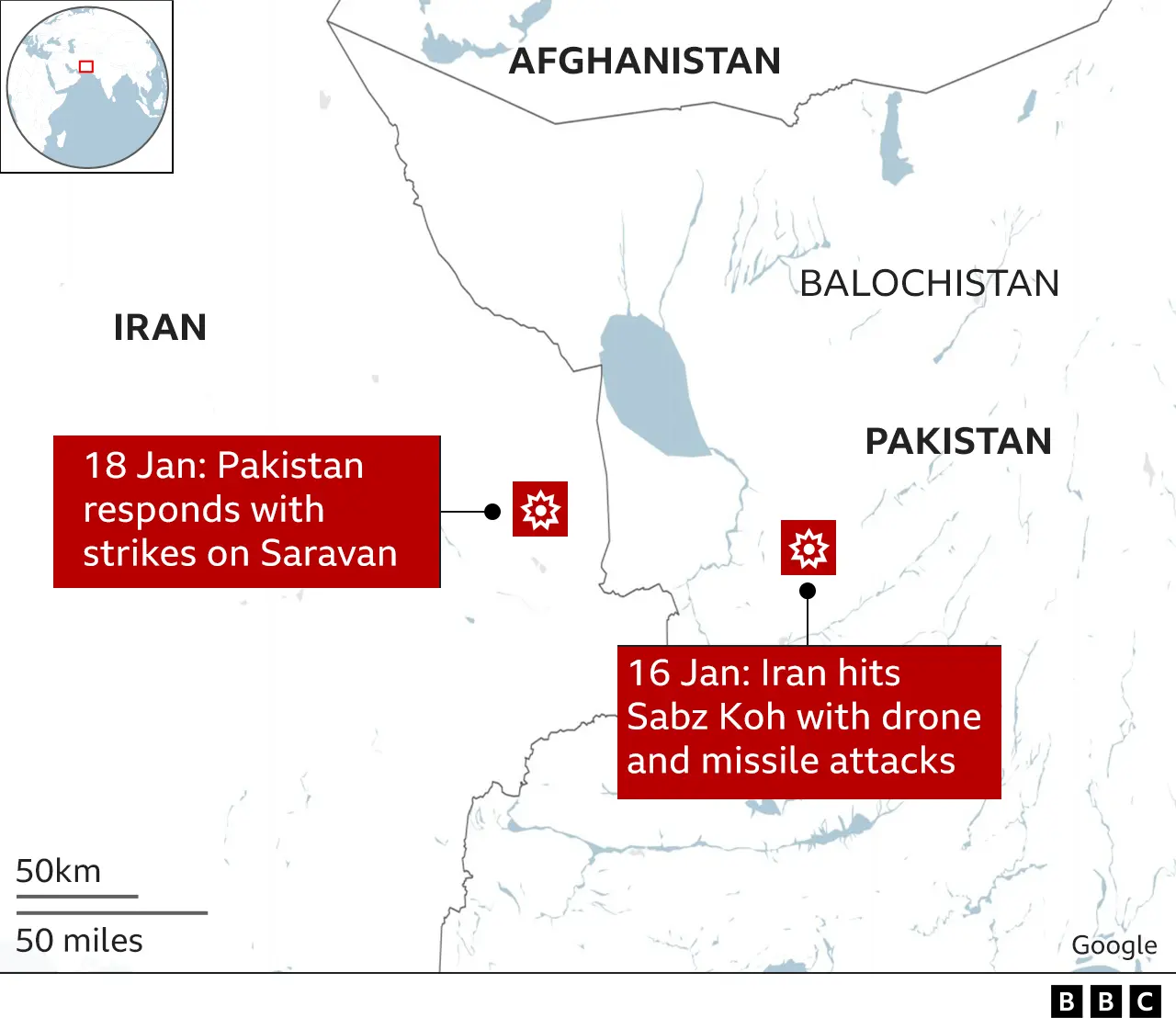
The strike follows a series of escalations, including Israel’s reported killing of Iran’s intelligence minister and U.S. airstrikes on Iranian-backed facilities in Syria. The U.S. Central Command confirmed the deployment of bunker-buster bombs in response to Iranian attacks on U.S. forces in the Gulf, including a drone and missile strike on a U.S. military base in Iraq on May 28, 2026. The Pentagon stated that the U.S. would continue to defend its personnel and assets in the region but urged de-escalation. Pakistan’s foreign ministry, in a statement issued on June 5, 2026, called for an immediate ceasefire, urging all parties to de-escalate and return to diplomatic channels.
For more on this story, see Trump claims Israel, Hezbollah agree to ceasefire, but details unclear..
Lebanese President Nabih Berri, in a televised address, condemned the strike as an “unacceptable aggression” and vowed to coordinate with Iran and Hezbollah to respond. He emphasized that Lebanon would not be drawn into a broader conflict but would defend its sovereignty. Meanwhile, Hezbollah’s political bureau issued a statement reaffirming its commitment to resisting Israeli aggression but did not specify immediate retaliatory measures.
Settlement Expansion and Palestinian Displacement in the West Bank
A UN report highlighted Israel’s approval of 3,401 new housing units in the E1 settlement bloc east of Jerusalem, a move described by Israeli Finance Minister Bezalel Smotrich as a step to “consolidate the Jewish people’s hold on the heart of the Land of Israel.” The report warned that the expansion could displace thousands of Palestinians from 18 Bedouin communities, raising concerns of ethnic cleansing. The UN high commissioner for human rights, Volker Türk, recommended Israel halt all settlement activities and provide reparations for forced displacements. Türk stated in a press briefing that the expansion of settlements was “a clear violation of international law” and undermined any prospect of a two-state solution.

Israel has repeatedly rejected such findings, with its UN mission accusing the human rights office of bias. In a statement, Israel’s ambassador to the UN, Gilad Erdan, called the OHCHR report “a politically motivated attack” and asserted that Israel’s settlement policies were “legitimate under domestic law.” Meanwhile, clashes between Israeli civilians and Palestinians in the West Bank have surged, with the IDF reporting incidents involving stone-throwing and the use of clubs following alleged sheep thefts. Palestinian health officials reported that at least 12 Palestinians, including children, were injured in clashes with Israeli security forces in the past week.
In a separate development, the Israeli military announced the expansion of security operations in the West Bank, including the deployment of additional troops and surveillance drones in areas near major settlements. The IDF stated that the measures were necessary to prevent attacks on Israeli civilians but were criticized by human rights groups as collective punishment. The Red Cross called for restraint, warning that escalating military presence could further destabilize the region.
Uncertain Future and Risks of Wider Conflict
The killing of the Lebanese general and the broader Israel-Iran standoff have left the region on edge. Hezbollah has not yet responded to the strike, but Iran’s threats of retaliation—including potential attacks on Israeli targets—remain credible. Iranian Supreme Leader Ayatollah Ali Khamenei, in a speech on June 6, 2026, warned that Israel would face “divine punishment” for its actions and called on regional allies to unite against what he described as “Zionist aggression.”
The U.S. has signaled support for Israel’s right to self-defense but has also warned against further escalation. Secretary of State Antony Blinken, in a press conference on June 5, 2026, stated that the U.S. was “deeply concerned” by the rising tensions and urged all parties to avoid actions that could lead to a wider conflict. Blinken emphasized that the U.S. remained committed to the ceasefire in Lebanon but would not tolerate attacks on its personnel or interests.
In the West Bank, Palestinian displacement and settlement expansion continue unabated, with the UN report describing a “concerted Israeli policy of mass forcible transfer.” The situation raises questions about the viability of a two-state solution, as Israeli officials openly dismiss Palestinian statehood. Israeli Prime Minister Benjamin Netanyahu, in a statement to the Knesset, reiterated Israel’s position that any negotiations must be based on “security first” and rejected the idea of a Palestinian state as “unrealistic” under current conditions.
For now, the focus remains on Lebanon, where the Lebanese Army’s response—and Iran’s next move—will determine whether the region slides further into conflict or achieves a fragile de-escalation. The Lebanese government has called for an emergency session of the Arab League to discuss the escalation, while Turkey has offered to mediate between Iran and Israel. However, with no clear diplomatic pathway forward, the risk of further violence remains high.
