
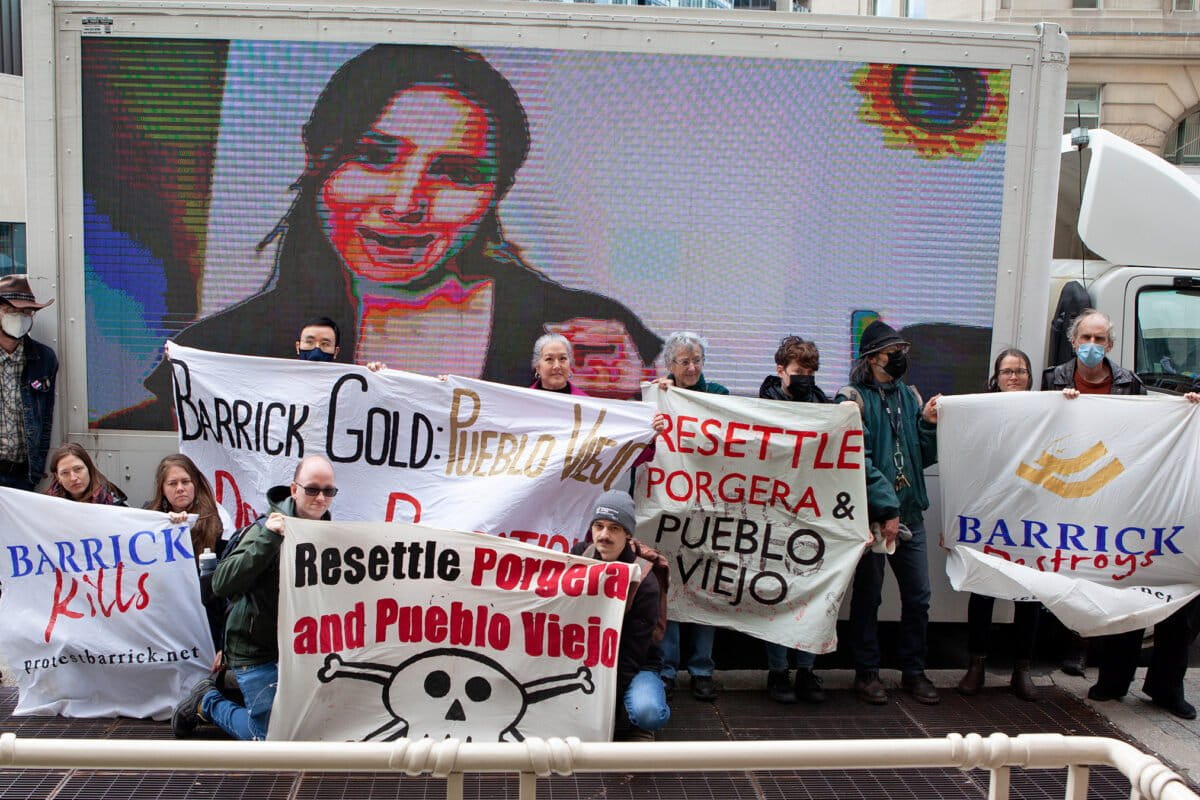
Murray Klippenstein, via cbc.ca
Canada’s independent watchdog for overseas human rights complaints against Canadian companies has remained vacant since May 2025, stalling at least 24 active cases and leaving communities in the Dominican Republic, Namibia, and Pakistan without recourse against alleged harms from Canadian mining projects. The Canadian Ombudsperson for Responsible Enterprise (CORE), created in 2019 to address such grievances, has been effectively paralyzed by the leadership gap, even as global demand for critical minerals drives expanded Canadian investment in extractive industries.
The Vacant Ombudsperson and Stalled Complaints

The office of the Canadian Ombudsperson for Responsible Enterprise (CORE) was established in 2019 to investigate human rights and environmental complaints against Canadian companies operating abroad. However, the role has remained unfilled since May 2025, with the government citing ongoing efforts to recruit new leadership. This void has left communities like La Piñita in the Dominican Republic, where 450 families fear health risks from the Pueblo Viejo gold mine operated by Canadian giant Barrick Mining Corp., without a functional avenue to seek accountability.
Leoncia Ramos, a 65-year-old resident of La Piñita, described her community’s desperation: “Our health has been deteriorating, unfortunately, quite noticeably.” The mine, located just a kilometer from her home, has been linked to pollution concerns, with residents fearing a catastrophic tailings dam collapse. Despite years of advocacy, the lack of an active ombudsperson has left their plight unresolved.
The vacancy comes as Canada promotes mining investment tied to growing demand for critical minerals, a sector where the country hosts about half of the world’s publicly traded mining and mineral exploration companies. Critics argue that the stalled mechanism undermines Canada’s credibility as a responsible global actor.
Critics Call the Watchdog ‘Bogus PR Job’

The watchdog’s ineffectiveness predates the current vacancy. Since its inception, the office has faced scrutiny over its limited investigative powers. In 2009, the federal government created a corporate social responsibility counsellor to address abuses by Canadian companies abroad, but the role has been criticized as toothless.
Murray Klippenstein, a Toronto-based lawyer involved in cases against Canadian mining firms, described the office as “a bogus PR job, as a cover for business as usual.” His critique echoes broader frustrations: in the past two years, the office received only two complaints, one of which was dropped when a mining company refused to participate.
A 2009 report commissioned by the Prospectors & Developers Association of Canada labeled Canada among the worst offenders in overseas mining abuses, despite hosting 75% of the world’s mining and exploration companies. The creation of CORE was meant to address this gap, but its voluntary nature and lack of enforcement power have left many skeptical.
Case Studies: From Mexico to Pakistan
The ombudsperson’s limitations are evident in specific cases. In 2019, a Mexican mining union and workers filed allegations of human rights violations against Vancouver-based Excellon Resources Inc. over its La Platosa mine project. The complaint was closed within six months after the company declined to engage, citing the process as “legitimizing unfounded allegations.”
In Pakistan, communities near Canadian mining operations have also raised concerns about environmental degradation and labor rights abuses. However, without an active ombudsperson, these grievances remain unaddressed. The lack of accountability has fueled calls for structural reforms, including granting the office stronger investigative powers and mandatory participation from companies.
Advocates Push for Urgent Reform

The United Nations, advocacy groups, and former officials have renewed demands for the office to be strengthened. A 2021 report by The National Observer noted that CORE’s complaints mechanism was still not operational, highlighting systemic delays.
Liberal MP John McKay, who previously proposed a bill to hold Canadian companies accountable, criticized the current impasse: “Two reviews. One starting. Another one, the mine says ‘No thanks.’ It speaks to my issue.” His efforts to mandate federal scrutiny of corporate behavior abroad were met with resistance, underscoring the political challenges of reform.
The vacuum has also exposed tensions between Canada’s economic interests and its human rights commitments. As global pressure mounts for ethical resource extraction, the stalled watchdog risks eroding public trust in Canada’s leadership on corporate accountability.
What’s Next for Canada’s Mining Oversight?
With the ombudsperson role still vacant, the fate of pending complaints hangs in limbo. Advocates warn that without urgent action, communities affected by Canadian mining will continue to face systemic neglect. The government’s response to these calls—whether through appointing a new ombudsperson or overhauling the mechanism—will test its commitment to balancing economic growth with ethical responsibility.
For now, residents like Leoncia Ramos remain trapped in uncertainty, their health and livelihoods at risk. As one community leader put it, “Time is running out.” The question is whether Canada’s leadership will finally act—or continue to let the watchdog’s silence speak for itself.
