
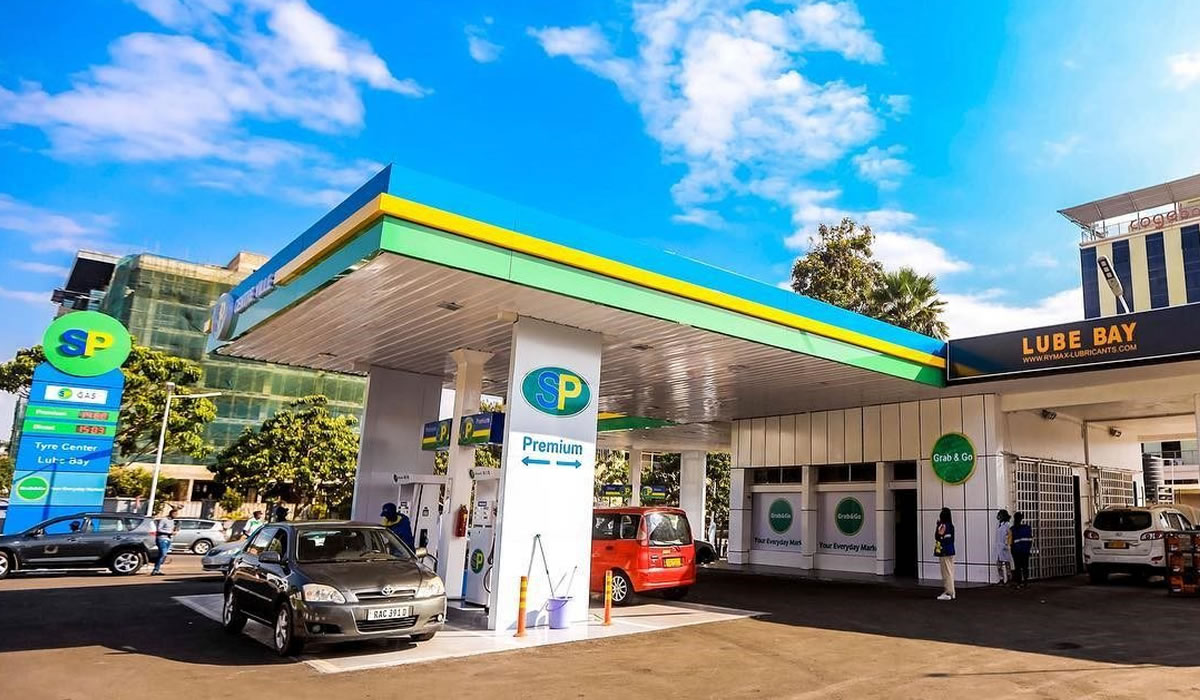
Rwanda’s fuel prices have surged to record highs as of June 6, 2026, with petrol now retailing at 2,938 Rwandan francs ($2.05) per liter—a 25% jump since April—and diesel at 2,927 francs, following a series of government-mandated hikes tied to global oil market volatility and Middle East conflict disruptions. The latest adjustment, announced by the Rwanda Utilities Regulatory Authority (RURA), marks the third price increase in two months, as Kigali balances economic stability with soaring international crude costs now averaging $103 per barrel. While authorities have shielded consumers from steeper hikes through targeted subsidies, the cumulative impact threatens transport costs, food prices, and daily life in a country where 72% of the population remains rural and reliant on road freight.
How Rwanda’s Fuel Prices Reached a Crisis Point
The escalation began in early April, when RURA raised petrol prices by 16% (from 1,989 to 2,303 francs) and diesel by 13% (from 1,948 to 2,205 francs), citing “prevailing international market trends” and “supply dynamics” linked to the U.S.-Israel-Iran conflict. The war, which disrupted shipping through the Strait of Hormuz, sent Brent crude soaring from $71 in February to a peak of $128 by early April, according to a study analyzing fuel price transmission in Rwanda. By June 6, the cumulative effect of these hikes—petrol up 48% since April, diesel up 32%—has outpaced even the most pessimistic forecasts from regional economists.
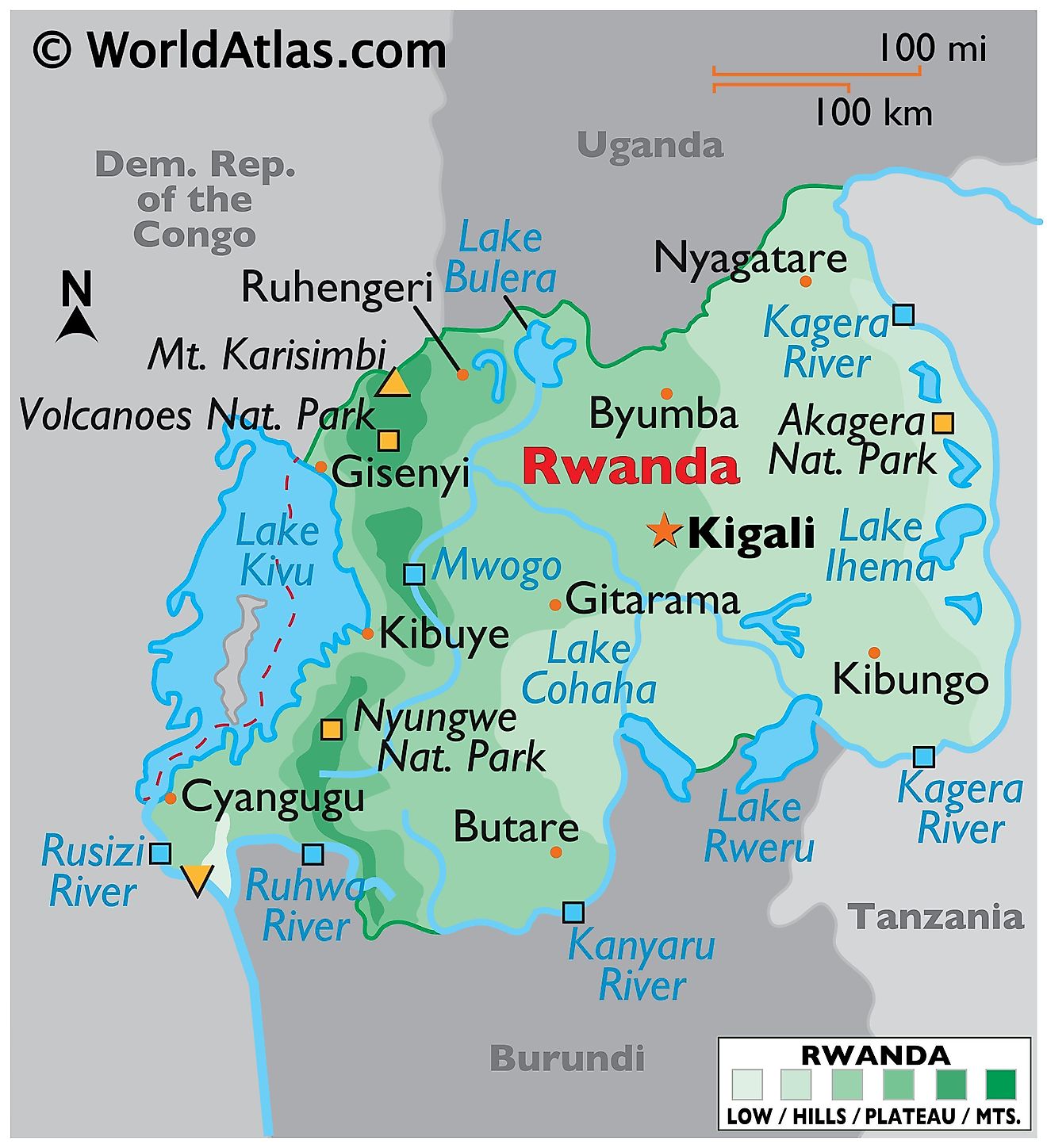
What makes the situation uniquely precarious is Rwanda’s geography: a landlocked nation that imports all its fuel through regional corridors, making it vulnerable to both geopolitical shocks and freight cost surges. As the Rwanda Utilities Regulatory Authority noted, “Government interventions have helped moderate the increase in pump prices, keeping them below the level that would result from market conditions alone.” Yet the buffer is thinning. Diesel prices, frozen at 2,205 francs since April to support public transport and freight, now face upward pressure as global diesel prices climb. Meanwhile, petrol—used by private vehicles and taxis—has become a financial strain for middle-class households in Kigali, where the base fare for public transport rose to 59.28 francs per kilometer in April.
Who Benefits—and Who Pays the Price?
The government’s strategy to cushion the blow has two clear winners: public transport operators and the broader economy. By keeping diesel prices stable and subsidizing transport fares, authorities aim to prevent a cascade of higher costs across agriculture, manufacturing, and retail—sectors that rely on road freight. “Government support measures will continue to assist public transport operators in managing higher fuel costs and ensure affordable transport services for commuters,” RURA stated. However, the trade-off is clear: while diesel users (including bus companies and truckers) avoid further hikes, petrol consumers—particularly those in Kigali’s growing middle class—are shouldering the full brunt of the increases.
The human cost is already visible. In Kigali, where food prices have risen alongside transport costs, vendors and taxi drivers report squeezed margins. Trade and Industry Minister Prudence Sebahizi acknowledged the strain in late April, telling reporters, “The impacts are still being reviewed, and measures are being taken step by step.” While subsidies could be introduced for the most affected sectors, the timing remains uncertain. One thing is clear: the government’s ability to shield citizens from further hikes depends on global oil prices stabilizing—or Rwanda facing even deeper economic strain.
“The impacts are still being reviewed, and measures are being taken step by step.”
The Geopolitical Trigger: How the Middle East War Reshaped Rwanda’s Economy
The immediate catalyst for Rwanda’s fuel crisis is the ongoing U.S.-Israel-Iran conflict, which has sucked in Gulf producers and sent shipping costs through the Strait of Hormuz into uncharted territory. As a study on fuel price transmission in Rwanda published in April detailed, Brent crude averaged $103 per barrel in March—$32 above February’s levels—and spiked to nearly $128 by April 2. For a country like Rwanda, which imports 100% of its petroleum, the ripple effects are immediate: higher crude costs translate directly to pump prices, with minimal lag.
Rwanda’s vulnerability is compounded by its reliance on regional supply chains. Unlike coastal nations that can import fuel directly, Rwanda must navigate land routes through Tanzania, Uganda, or the Democratic Republic of Congo—each adding freight costs that get passed to consumers. The April price hike alone added an estimated 15% to transport costs for goods moving into Kigali, according to RURA. With no domestic refining capacity, Rwanda has little leverage to decouple its prices from global swings.
What Comes Next: Three Scenarios for Rwanda’s Fuel Market
The next 30 days will determine whether Rwanda’s fuel crisis deepens or stabilizes.

- Scenario 1: Global Oil Prices Stabilize—If tensions in the Strait of Hormuz ease and crude settles below $100, RURA could hold prices steady, using its buffer to absorb further shocks. This would require close coordination with regional suppliers, but it’s the most optimistic path.
- Scenario 2: Selective Subsidies—With diesel prices frozen and petrol at record highs, the government may introduce targeted subsidies for essential sectors (e.g., agriculture, public transport) while allowing petrol prices to rise further. This would protect vulnerable groups but risk fuel shortages if demand spikes.
- Scenario 3: Full Market Transmission—If global crude remains volatile, RURA may lose its ability to moderate prices, leading to another round of hikes. Diesel could follow petrol’s path upward, triggering a broader cost-of-living crisis.
The most immediate wild card is public reaction. RURA’s calls for “efficient fuel use” and “shared transport” may fall flat if commuters perceive the hikes as unjust. In April, protests over transport fare increases were contained, but with petrol now 25% more expensive than two months ago, patience could wear thin. Meanwhile, the government’s ability to sustain subsidies hinges on fiscal space—something Rwanda, with a $14.8 billion GDP in 2024, must weigh carefully.
A Landlocked Nation at the Mercy of Global Markets
Rwanda’s fuel crisis is a microcosm of a larger African challenge: how to insulate economies from external shocks when supply chains are fragile and domestic alternatives scarce. As a study on the topic noted, landlocked nations like Rwanda are “particularly vulnerable” to energy price shocks because they lack the flexibility of coastal states to adjust import routes or diversify suppliers. The current surge in fuel costs is not just an economic issue—it’s a test of Rwanda’s resilience in the face of geopolitical instability.
For now, the government’s strategy of gradual adjustments and targeted subsidies aims to buy time. But the clock is ticking. If global oil prices remain elevated—or if regional conflicts disrupt supply further—Rwanda may face a choice between deeper austerity or risking social unrest. One thing is certain: the “land of a thousand hills” is now navigating a new kind of terrain—one where every liter of fuel carries the weight of international conflict.
For updates on Rwanda’s fuel prices and economic response, track RURA’s latest statements and monitor global crude trends via the OpenChristian Press study on energy shocks.
