
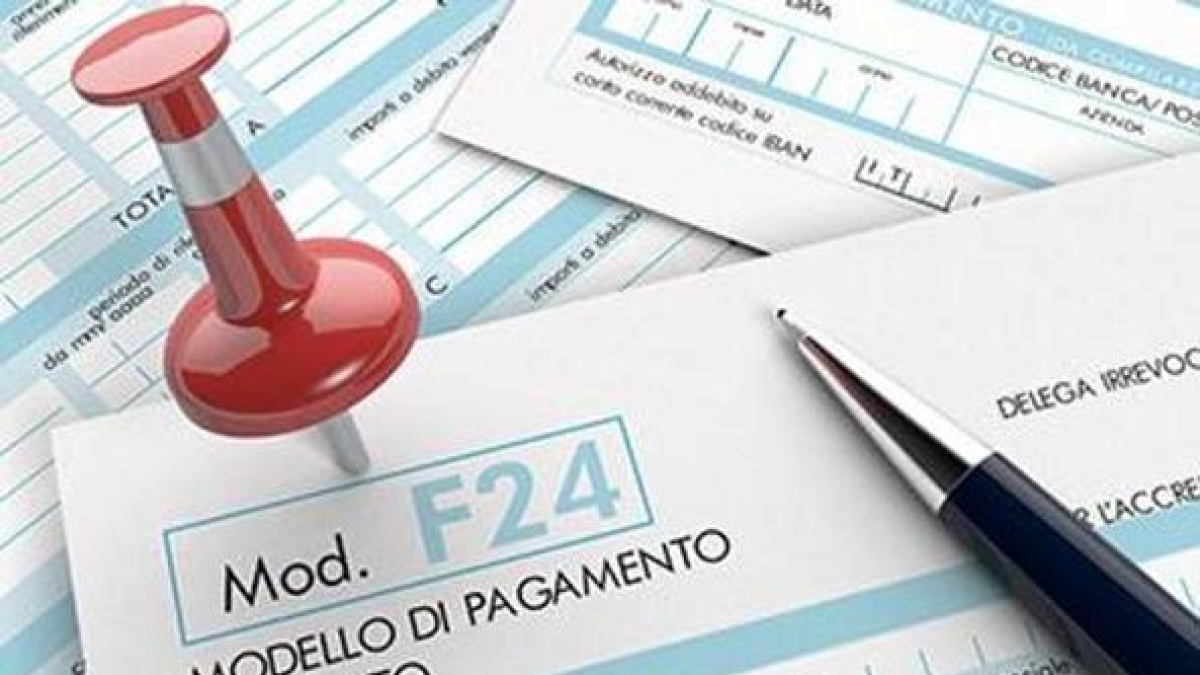
The Italian Revenue Agency (Agenzia delle Entrate) is developing a new automated tax payment system for 2026–2028 that allows taxpayers to link their IBAN directly to the F24 form. This system enables direct debits for recurring and predetermined tax obligations, aiming to reduce errors and late payments, according to strategic plans reported by Fanpage and Corriere della Sera.
How the Automated F24 Mechanism Works
The transition toward automated tax collection shifts the process from an active “impulse” payment model to one based on standing authorizations. As outlined in the MySolution analysis of the 2026-2028 convention between the Ministry of Economy and the Agency, taxpayers or their authorized intermediaries will provide an IBAN to facilitate direct debits for future tax deadlines.

This is not a mandatory change, nor does it allow for “surprise” withdrawals. Before any funds are moved, the taxpayer must approve the specific F24 form generated by the system. Once the taxpayer validates the amount, the software completes the necessary fields, and the bank processes the payment automatically. This process mirrors existing SEPA direct debit structures, a system already in use for specific payments like inheritance taxes, as noted by Sky TG24.

The F24 form has long been the cornerstone of the Italian fiscal system, serving as the standard document used for the payment of most taxes, contributions, and premiums. Historically, this required taxpayers to manually input data into the “Entratel” or “Fisconline” portals or visit banking institutions to settle their balances. The new framework seeks to integrate this into the broader “Pagopa” ecosystem, the public administration’s digital payment platform, which has progressively replaced fragmented payment methods across Italian government services.
Strategic Integration of Artificial Intelligence and Compliance
Beyond automating payments, the agency is expanding its digital infrastructure to modernize tax oversight. The current strategic framework prioritizes the “pre-filled” tax return (dichiarazione dei redditi precompilata) by incorporating more data from third-party sources.
“esteso il set informativo della dichiarazione dei redditi precompilata, rendendo fruibili ulteriori informazioni già disponibili nelle banche dati della fiscalità e acquisendo nuovi dati da soggetti terzi, in modo da semplificare e velocizzare l’adempimento dichiarativo.” Agenzia delle Entrate, via Sky
This digitalization effort also includes the use of advanced data analysis to combat tax evasion. The agency plans to deploy machine learning, text mining, and network analysis tools to improve the accuracy of its controls. By integrating these technologies, the government aims to identify discrepancies more efficiently, potentially streamlining the “compliance letter” process where taxpayers are notified of errors before formal audits are required.
The use of “compliance letters” (lettere di compliance) is a central pillar of the Agency’s recent enforcement strategy. By leveraging the cross-referencing of data—such as bank movements, property records, and utility consumption—the Agency identifies anomalies. The current strategy aims to shift the relationship between the state and the taxpayer from a reactive, adversarial audit model to a proactive, collaborative model. The modernization of the F24 process is considered an extension of this philosophy: by reducing the friction of payment, the Agency aims to lower the statistical probability of involuntary tax delinquency.
Operational Stakes for Taxpayers and Intermediaries
The shift to automated debits carries significant implications for professional tax intermediaries. While the goal is to reduce manual errors—such as typos in tax codes or missed deadlines—the nature of the intermediary’s work will evolve. Professionals will move away from the repetitive task of transmitting individual F24 forms and toward a higher-level role of monitoring client authorizations and managing compliance risks.
For the average taxpayer, the primary benefit is the elimination of late-payment penalties caused by simple forgetfulness. However, the system requires that the bank account linked to the F24 maintains sufficient liquidity. If the account lacks the necessary funds at the time of the scheduled transaction, the automatic process will fail, highlighting the importance of account management under this new, more passive payment regime.
The implementation of this system is part of a multi-year technological roadmap. The Italian Revenue Agency, under its current leadership and strategic mandate, has been transitioning toward a cloud-based infrastructure. This move is consistent with the broader European Union directives regarding digital public services, which encourage member states to adopt interoperable, automated payment systems to improve the efficiency of treasury management. For stakeholders, the transition represents a departure from the traditional “paper-first” or “manual-digital” entry model, requiring both citizens and fiscal professionals to adapt to a system where tax compliance is increasingly managed through algorithmic oversight and automated financial settlement.
Find more reporting in our Business section.
