
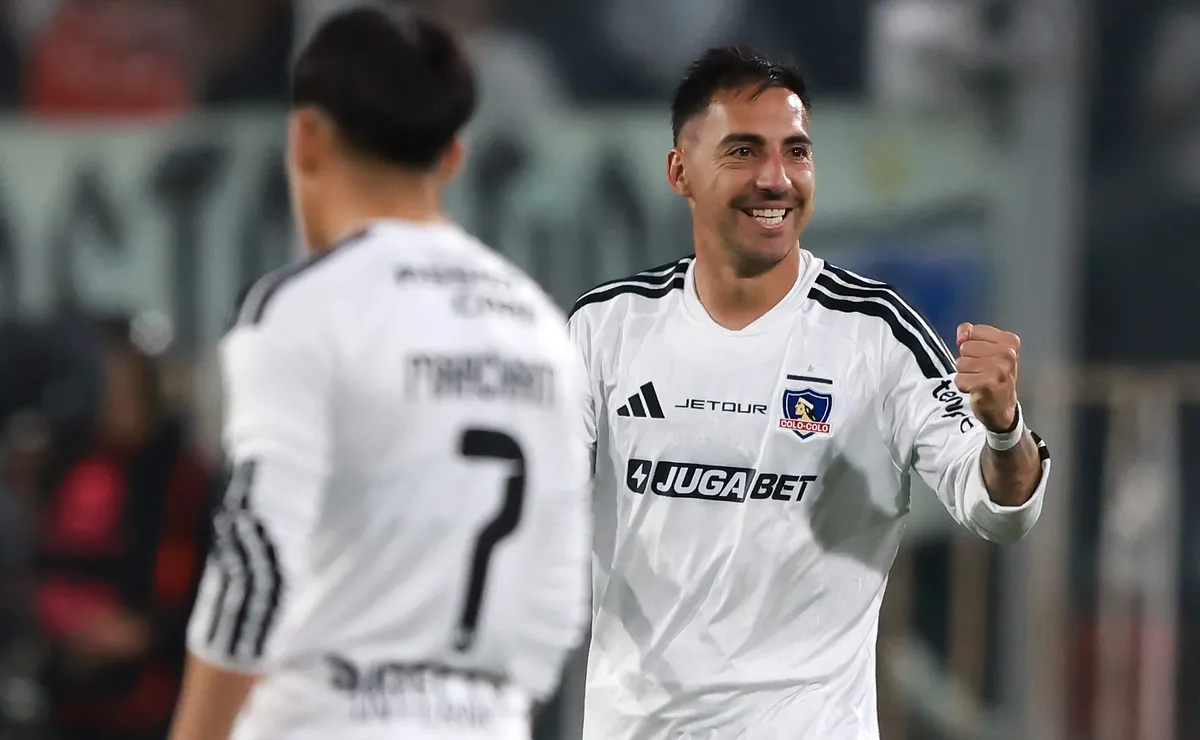
Colo Colo striker Javier Correa faces potential disciplinary action from the ANFP Tribunal after publicly criticizing referee Nicolás Gamboa following a June 2026 match against Huachipato. While reports initially suggested a possible 10-match suspension, recent analysis indicates the player will likely receive a significantly shorter ban, consistent with standard penalties for offensive language.
The Origins of the Disciplinary Threat
The tension between Javier Correa and the refereeing body stems from comments made after Colo Colo’s loss to Huachipato in the Copa de la Liga. During post-match remarks, Correa suggested that officials harbor a long-standing bias against his team. According to the reporting from RedGol, Correa stated, “It is an incredible thing: whenever we play, he screws us. Always. It comes from years ago.”
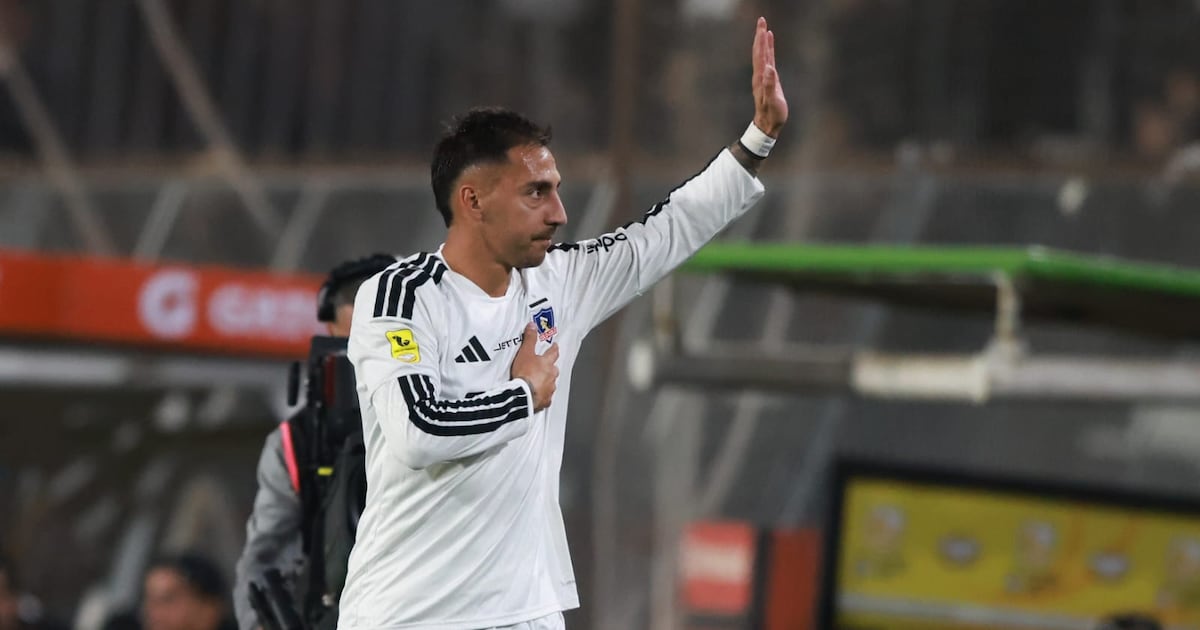
These remarks were captured in a media session and subsequently included in the official match report submitted to the ANFP Tribunal of Discipline. The report specifically flagged the player for using “offensive language.” The incident occurred in a high-stakes environment where Colo Colo, a perennial contender in Chilean football, is navigating a crowded schedule that balances domestic league play with the pressures of the Copa de la Liga. For a club of Colo Colo’s stature, the absence of a primary striker like Correa is not merely a personnel issue but a tactical hurdle that can influence their standing in the playoff race and overall league seeding.
Assessing the Potential Suspension
Initial speculation, fueled by reports that the Referees’ Commission requested a 10-match ban, caused significant concern within the Colo Colo organization. However, legal experts and sports journalists have dismissed the likelihood of such an extreme outcome. As noted by RedGol, the Tribunal operates as an autonomous body and is not beholden to the requests of external unions or organizations.
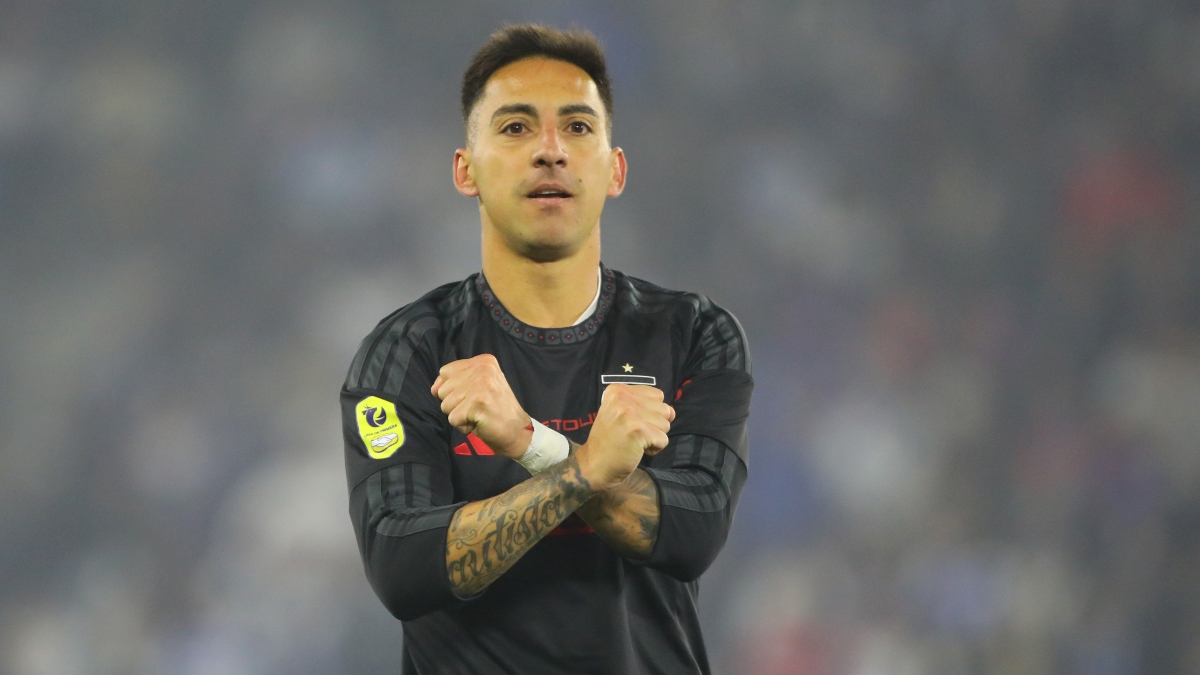
The current consensus, based on the specific charge of “offensive language,” suggests a much more moderate penalty. The Tribunal’s guidelines for this type of infraction typically range between one and three matches. Any resulting suspension would be served in the Liga de Primera, as stipulated by Article 44 of the ANFP’s Code of Procedures and Penalties. This rule mandates that sanctions be served in the tournament where the infraction occurred, or in the subsequent official competition if the original tournament concludes. This ensures that the disciplinary impact is felt directly in the competition where the alleged misconduct took place, preventing players from bypassing penalties through rotation or tournament scheduling.
Correa’s Public Apology Strategy
In an effort to mitigate the potential fallout, Javier Correa issued a formal apology via a video released by Colo Colo on social media. This move is widely viewed as a strategic attempt to minimize the severity of the sanction, echoing similar tactics previously employed by other high-profile figures in Chilean football, such as manager Jorge Almirón and player Marcelo Díaz.
“I am here, apologizing for my statements from Sunday. I think they were misguided, made in the heat of the moment, it was not the time, nor with the intention of offending anyone, but one sometimes makes mistakes in the heat of the moment, we are human beings. We, like everyone, referees can sometimes make mistakes and you have to know how to apologize and accept when one is wrong. So that’s it, to apologize to the referee of that moment and to all the referees of Chilean football.” — Javier Correa, via Cooperativa
According to Cooperativa, the striker emphasized that his comments were not intended to cause offense, but were the result of frustration during a difficult match. This conciliatory tone is intended to frame the incident as an isolated lapse in judgment rather than a pattern of behavior. By proactively addressing the ANFP, the club hopes to demonstrate remorse, a factor often considered by disciplinary committees when determining the final length of a suspension.
Precedent and Institutional Context
The case highlights the ongoing tension between players and the officiating establishment in the ANFP. La Tercera points out that the Tribunal of Discipline is currently reviewing the official report, which details not only the “offensive language” cited but also the specific context in which it was delivered.
In the context of Chilean football, the ANFP Tribunal of Discipline maintains a structured process for handling post-match controversies. When a referee includes specific remarks in their report, the Tribunal initiates a review phase where the player or club can present a defense. This process is standard for all clubs, regardless of their position in the standings or the significance of the match. While the Referees’ Commission remains firm in its stance on protecting the integrity of its members, the Tribunal’s history suggests a preference for consistency over reactionary, high-length bans.
For Colo Colo, the primary objective remains securing the shortest possible absence for their striker. The club continues to monitor the situation closely, with a final decision expected from the Tribunal in the coming week, as reported by ADN Radio. As the team prepares for its upcoming matches, the roster implications remain significant. Any suspension would force the coaching staff to adjust their tactical setup and potentially rely on depth players who have had fewer minutes during the current form streak. The outcome of this case will not only affect Correa’s personal availability but will also serve as a reference point for future disciplinary actions involving player critiques of match officials within the league.
Find more reporting in our Sport section.
