
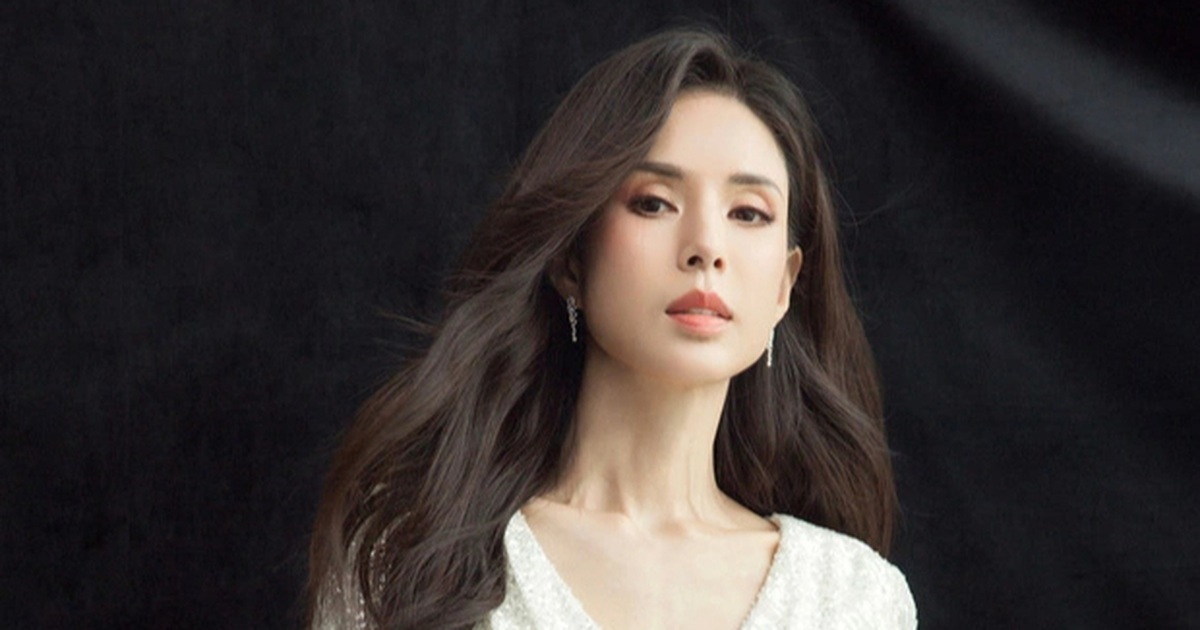
Actress Li Ruotong, widely recognized for her role as Xiaolongnü, addressed societal expectations regarding marriage and motherhood during a recent public appearance. At 60, the star emphasized that personal fulfillment is not tied to traditional milestones, advocating for a lifestyle defined by individual autonomy rather than external pressures or outdated cultural standards.
Redefining Fulfillment Beyond Traditional Milestones
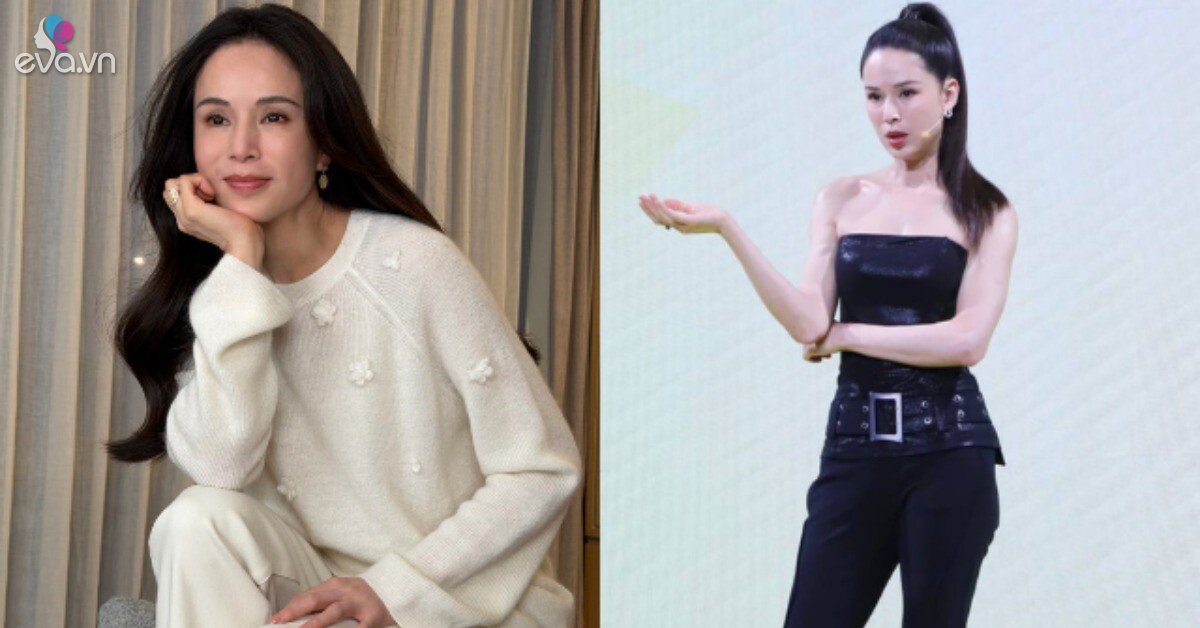
The dialogue surrounding personal choices for women in their later years has gained significant momentum following recent comments by the veteran actress. While societal norms often dictate that a woman’s life is only complete through marriage and raising children, the star of the 1966-born generation has actively rejected these rigid frameworks. As reported by Dantri, she expressed that she finds satisfaction in her career, her health, and her mental peace, rather than seeking validation through a partner or descendants.
This perspective serves as a direct challenge to the often-repeated cultural refrain that unmarried, childless women lead incomplete lives. The actress noted that while her own mother once harbored concerns about her daughter’s long-term choice to remain single, those worries have dissipated over time as she witnessed her daughter’s positive, disciplined way of life. According to VnExpress, she shared that her mother now holds a more supportive view, recognizing that her daughter has carved out a life that is both stable and content.
“I want to walk the path that belongs to me, without needing anyone to define it for me.” — Li Ruotong, actress
The Physical and Mental Discipline of the ‘Silver Swan’
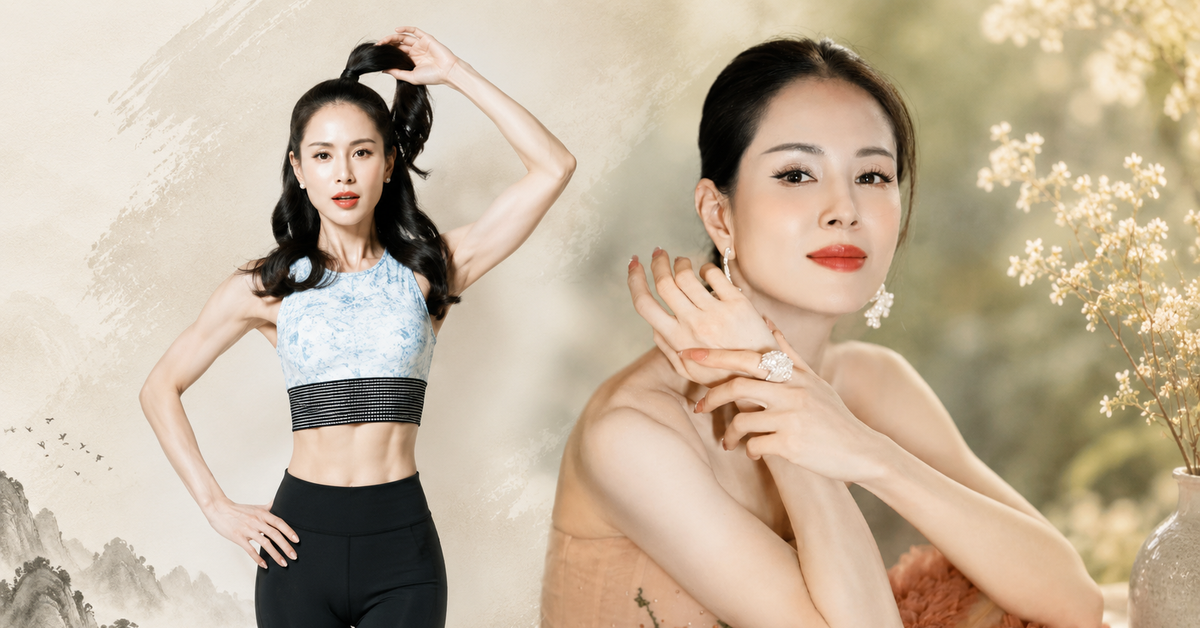
Beyond her philosophical stance, the actress has drawn significant media attention for her physical condition at age 60. Known to fans as the “most beautiful Xiaolongnü on screen”, she maintains a rigorous fitness regimen that includes consistent gym training for nearly three decades. Recent appearances saw her wearing form-fitting attire that showcased a toned physique, which she credits to long-term discipline rather than chance.
According to Eva.vn, her daily routine involves a structured intake of proteins and vegetables, including eggs, corn, yogurt, and brown rice, alongside a commitment to intense physical exercise. In a video shared on her personal social media channels, she demonstrated her strength by performing abdominal exercises while suspended, reinforcing her message that age should not be a barrier to physical capability. The actress emphasized that her vitality is the result of years of consistency, noting that her current physical state is a direct reflection of her dedication to a disciplined lifestyle.
“Who says a 60-year-old cannot do sit-ups? 60 is an age to take risks.” — Li Ruotong, actress
Moving Past the ‘Khuyết điểm’ Narrative
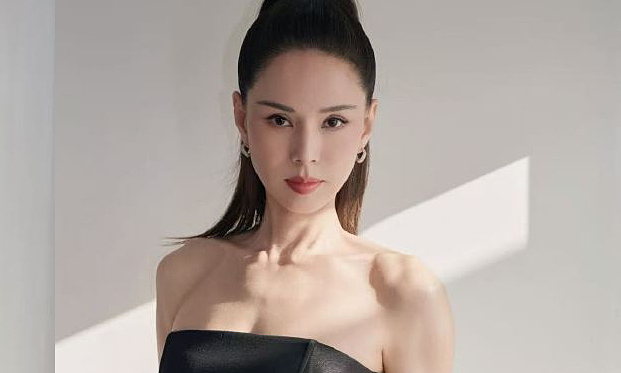
The actress has been vocal about the “cruel turns” of fate she encountered earlier in her life, including physical injuries and past emotional turmoil. VnExpress notes that her journey was marked by a decade-long relationship that ultimately ended, a period during which she set aside her career to focus on her partner. These experiences, she explains, were the crucible that forged her current independence.
She now views her life not as a series of failures, but as an evolution of self-healing. By rejecting the idea that her life is a “big flaw” due to her marital status, she encourages younger generations to prioritize self-care over unconditional, often self-sacrificing, devotion to others. Her public stance acts as a cornerstone for conversations within groups like the “40s Club,” where women are increasingly questioning traditional scripts for aging.
The actress further clarified in her recent remarks that she does not view her current life stage as one lacking components, but rather as one defined by the ability to make autonomous decisions. By choosing to remain single and independent, she is positioning herself as a mentor for younger women, hoping to pass on the strength found in self-love and the refusal to let others define one’s worth. Her message remains consistent: there is no absolute standard for happiness, and the pressure to adhere to societal timelines regarding family and marriage is a barrier to personal fulfillment.
As she continues to engage with her audience, she underscores that the decision to prioritize one’s own well-being is a valid and empowering choice, regardless of one’s age or previous life experiences. Her public narrative serves as a shift in the discourse surrounding women who choose not to conform to traditional expectations of marriage and family life.
