
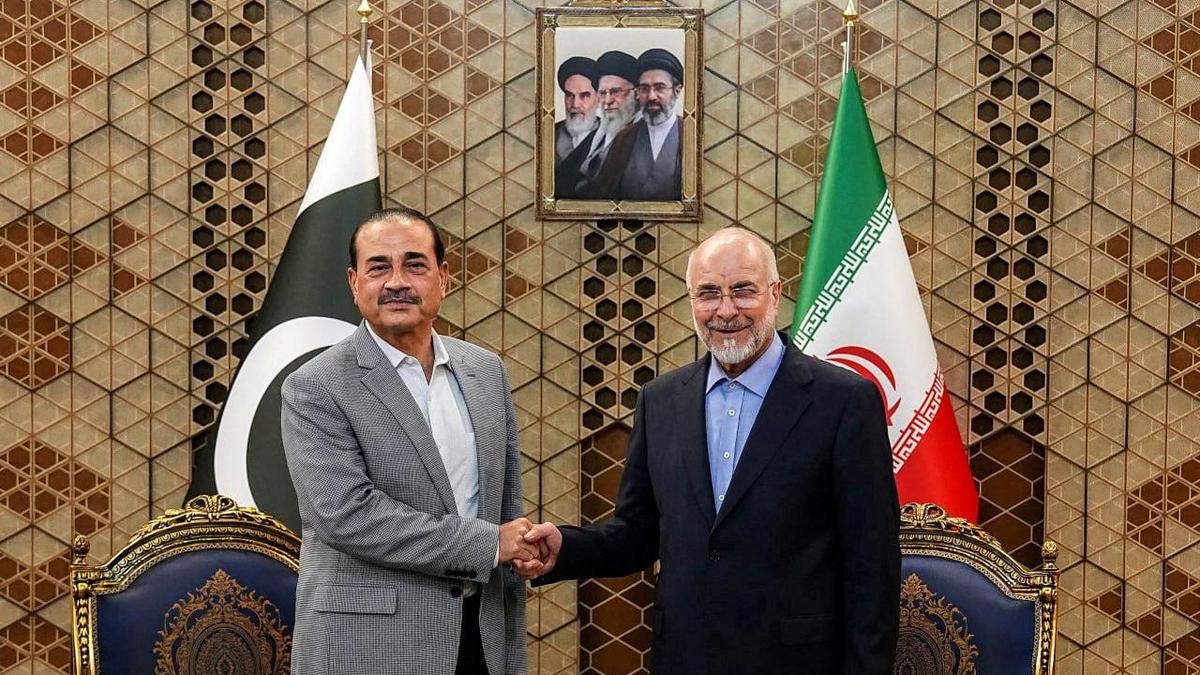
U.S. President Donald Trump declared that a memorandum of understanding to end the Iran-Israel war has been “largely negotiated,” as Pakistan’s prime minister praised his diplomatic efforts and signaled intent to host further peace talks. The developments, reported by multiple outlets, mark a pivotal moment in the 11-week conflict that has destabilized the Middle East and disrupted global energy markets.
Pakistan’s Role in Mediation
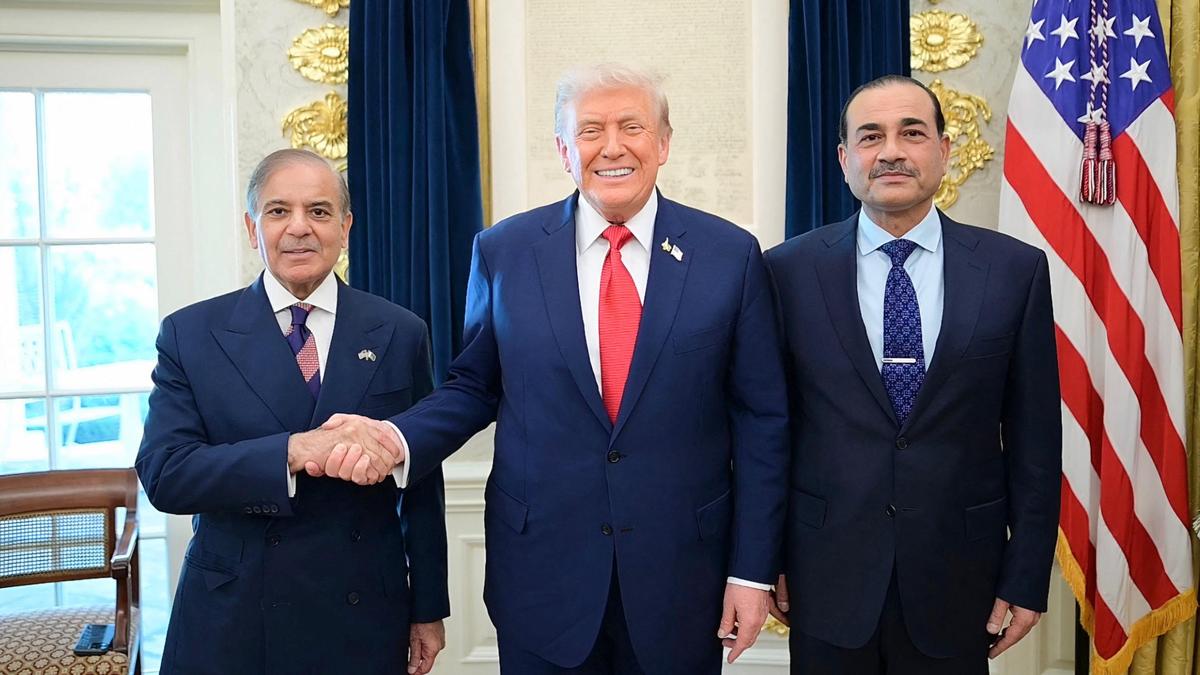
Pakistan’s Prime Minister Shehbaz Sharif lauded Trump’s “extraordinary efforts to pursue peace” in West Asia, highlighting a “productive call” between the U.S. president and regional leaders. The conversation, which included Pakistan’s Army Chief Field Marshal Asim Munir, focused on advancing a “conclusive agreement” between the U.S. and Iran. Sharif emphasized that Pakistan would “continue its peace efforts with utmost sincerity” and expressed hope to host the next round of talks “very soon.” The Guardian reported that Sharif’s comments followed a phone call with Trump, during which the U.S. president confirmed the deal was “largely negotiated.”
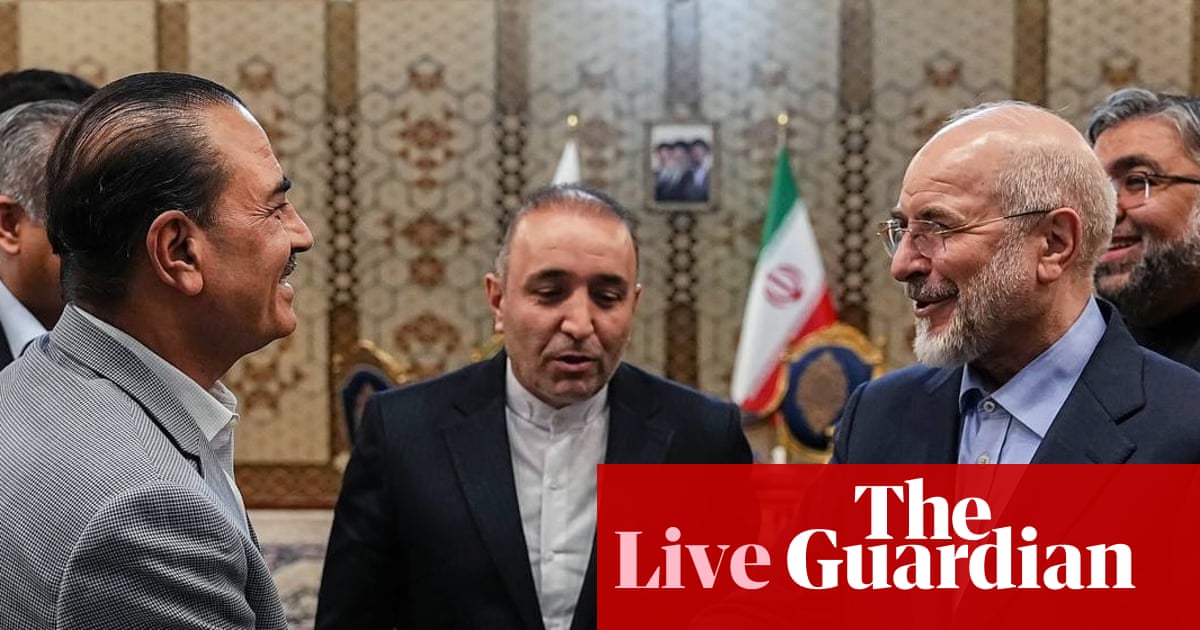
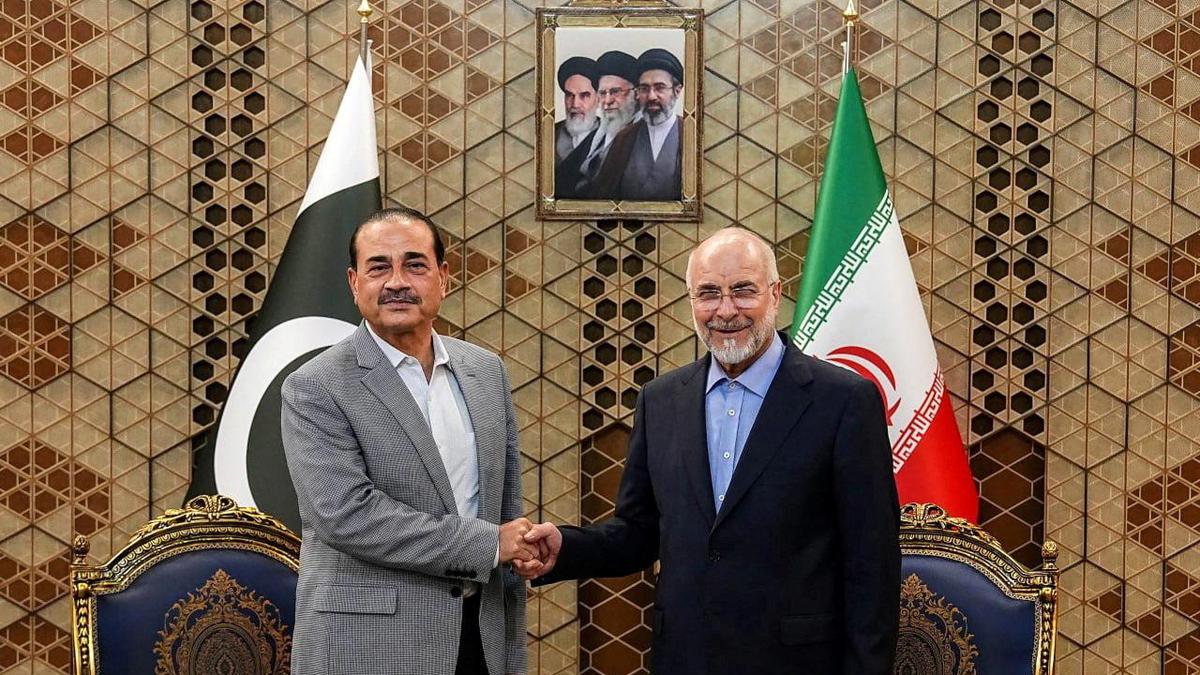
Munir, who met with Iranian leaders in Tehran, played a central role in facilitating discussions. His diplomatic engagement was underscored by Trump’s statement that “final aspects and details of the Deal are currently being discussed, and will be announced shortly.” The U.S. leader’s remarks, posted on Truth Social, came after separate calls with Israeli Prime Minister Benjamin Netanyahu and Muslim-majority nations. The Hindu noted that Trump’s team “was pretty impressed” by Iran’s negotiators but stressed the need for “the right answers” to prevent a return to war.
Regional Leaders’ Reactions
Pakistan’s Foreign Minister Ishaq Dar, who also participated in the call, described the negotiations as “a significant step closer toward the shared objective of regional peace.” He emphasized that “dialogue and diplomacy must prevail over conflict and confrontation” to ensure “collective prosperity and security.” The Guardian quoted Dar as stating that Pakistan remains “firmly committed to supporting all sincere efforts” for peace, while Turkish President Recep Tayyip Erdoğan expressed optimism about resolving nuclear and other contentious issues. Erdoğan, who joined the call, said “appropriate solutions” could be found and pledged Turkey’s support for “a just peace.”
For more on this story, see Trump claims Iran deal ‘largely done’ with Hormuz Strait reopening plan.
The discussions also touched on the Strait of Hormuz, a critical shipping lane. Erdoğan’s office stated that an agreement to secure free passage through the strait “would support stability in the region, providing relief to the global economy.” This aligns with U.S. efforts to de-escalate tensions, which have seen fuel prices surge amid fears of a broader conflict. The Hindu noted that Pakistan had previously hosted the first face-to-face talks between the U.S. and Iran, though those negotiations failed to produce a deal.
Next Steps in the Peace Process
While the U.S. and Iran have yet to finalize terms, the momentum generated by Trump’s outreach has raised hopes for progress. Sharif reiterated that Pakistan “hopes to host the next round of talks very soon,” a move that could involve other regional actors. The U.S. vice-president, JD Vance, led a delegation to Islamabad six weeks ago, but that effort ended without an agreement. The Guardian reported that the latest negotiations have “offers grounds for optimism,” though challenges remain over Iran’s nuclear program and regional security concerns.
For now, the focus remains on completing the memorandum of understanding. Trump’s assertion that the deal is “largely negotiated” suggests that key terms—such as sanctions relief, military withdrawals, and economic guarantees—may be near resolution. However, the absence of a public timeline or detailed framework leaves room for speculation. Analysts note that the success of the accord will depend on Iran’s willingness to address U.S. demands while preserving its strategic interests in the region.
The coming weeks will test the durability of this diplomatic push. With global markets and regional stability at stake, the U.S. and Iran face a critical juncture in their long-standing rivalry. As Sharif and other leaders continue to mediate, the world watches to see if this “largely negotiated” deal can evolve into a lasting peace.
