
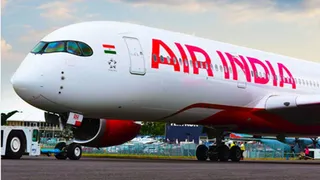
Air India launched a new ‘Basic Fare’ option on select domestic routes on June 16, 2026, offering passengers a cheaper alternative to traditional economy class tickets without complimentary meals. The initiative, which includes 15kg checked baggage and 7kg cabin baggage, aims to attract budget-conscious travelers while aligning with industry trends of unbundling services. The airline emphasized that the Basic Fare is part of a pilot program, with availability limited to specific routes and no free meals included.
What the Basic Fare Includes
The Basic Fare, introduced by Air India on June 16, 2026, provides passengers with a simplified pricing model that excludes complimentary meals but retains standard baggage allowances. According to sources, travelers can expect 15kg of checked baggage and 7kg of cabin baggage, mirroring the provisions of the airline’s existing Value, Classic, and Flex fare categories. However, unlike these options, the Basic Fare does not include meals, which can be purchased separately 24 hours before departure. This approach reflects a broader industry shift toward separating core travel costs from ancillary services, a strategy already adopted by low-cost carriers like IndiGo and SpiceJet.

Passengers opting for the Basic Fare can choose from a range of meal options, including vegetarian, non-vegetarian, Jain, and diabetic-friendly meals, which are transferable in case of flight changes. If a flight is rescheduled or a passenger is rebooked on a different flight, the purchased meal is automatically transferred, or a full refund is issued if this is not possible. This flexibility is designed to mitigate potential dissatisfaction among travelers who might otherwise face unexpected costs.
Industry Reactions and Competitive Context
The introduction of the Basic Fare has been positioned by Air India as a response to growing competition from budget airlines, which have long offered no-frills services. Industry observers noted that the move aligns with the airline’s broader strategy to diversify its offerings and cater to different segments of the market. “This is a calculated step to attract price-sensitive travelers while maintaining a tiered pricing structure,” said a report from Jagran. However, the airline has not yet disclosed the exact percentage of cost savings compared to its standard economy fares.
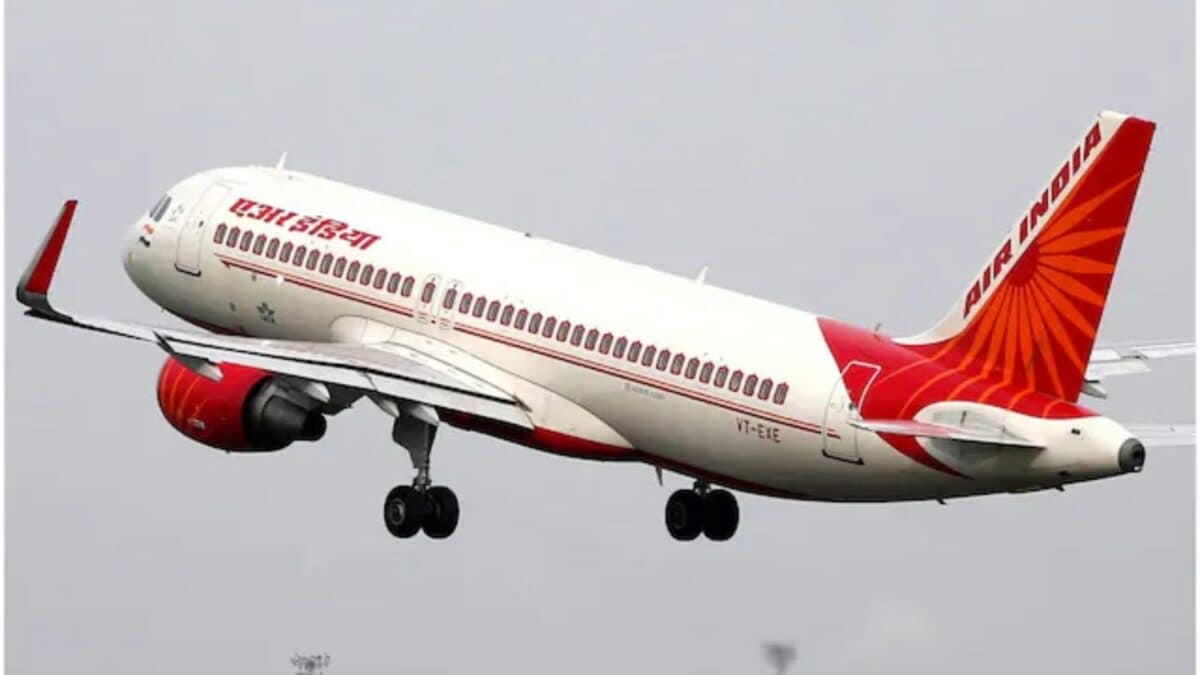
Despite the potential benefits for budget-conscious passengers, some analysts question whether the Basic Fare will significantly impact Air India’s market share. The airline’s existing Value, Classic, and Flex fares already offer varying levels of service, and the Basic Fare’s exclusion of meals could deter travelers who prioritize convenience. “The success of this model will depend on how effectively Air India communicates the value proposition to its customers,” a Live Hindustan analysis noted. “If the cost savings are not substantial, the Basic Fare may struggle to gain traction.”
Pilot Program and Future Expansion
Initially, the Basic Fare is available on a limited number of domestic routes, with Air India planning to expand the offering based on passenger feedback. The airline has stated that the pilot program will run through its website, mobile app, call centers, and airport ticketing offices, but it is not yet available on third-party booking platforms. This restriction has raised questions about the convenience of the option for travelers who typically use online travel agencies.
The airline’s decision to roll out the Basic Fare as a pilot program suggests a cautious approach, allowing it to assess demand and refine the offering before a wider rollout. “This is a strategic move to test the waters without committing to a full-scale transformation of its pricing model,” NDTV reported. The airline has not specified which routes will be included in the pilot, but it is expected to focus on high-traffic corridors where cost-sensitive travelers are more likely to seek alternatives.
What Comes Next for Air India?
As the Basic Fare enters its pilot phase, the key question for Air India is whether it can balance cost savings with customer satisfaction. The airline’s ability to differentiate the Basic Fare from its existing options will be crucial. If the model proves successful, it could signal a broader shift in how Air India structures its pricing, potentially leading to further unbundling of services. However, the airline must also address concerns about the perceived value of the Basic Fare, particularly in a market where competitors like IndiGo and SpiceJet already offer similar no-frills options.
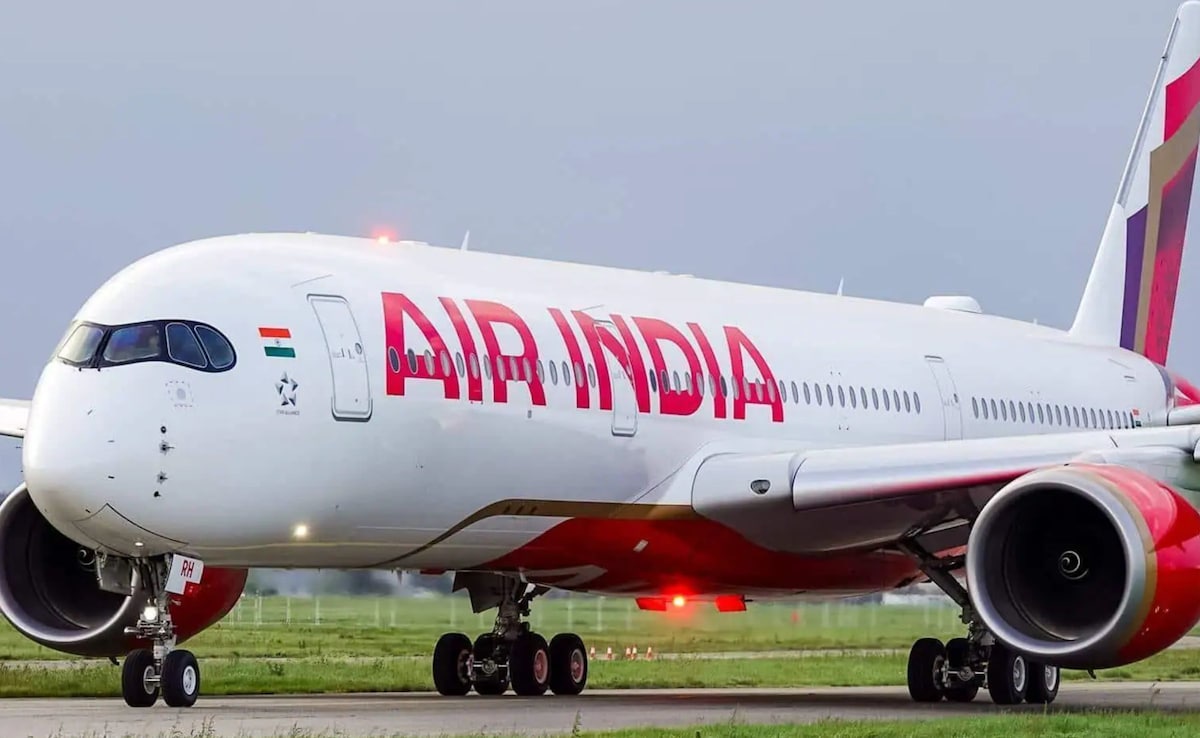
For now, the Basic Fare remains a niche offering, but its long-term success will depend on Air India’s ability to adapt to evolving consumer preferences. The airline’s next steps—whether to expand the program, adjust pricing, or introduce additional features—will be closely watched by industry analysts and passengers alike.
Find more reporting in our News section.
