
Argentina’s political landscape is shifting as governors from the country’s northern provinces are actively working to consolidate power in the national legislature. Frustrated with what they perceive as inadequate representation of regional concerns by the current ruling coalition, these leaders are forging a new alliance aimed at increasing their bargaining leverage with the central government in Buenos Aires. The emerging coalition, currently spearheaded by governors from Salta, Catamarca, Misiones, and Tucumán, is seeking to build a substantial legislative bloc ahead of key leadership decisions in December. This effort reflects a broader trend of political fragmentation and a desire for greater regional autonomy within Argentina.
A growing coalition of governors from Argentina’s northern provinces is seeking to increase its political influence in Buenos Aires, potentially reshaping the country’s legislative landscape. The move comes as regional leaders distance themselves from the ruling coalition and aim to negotiate more effectively with the central government.
The effort is being spearheaded by the governors of Salta, Catamarca, Misiones, and Tucumán – Gustavo Sáenz, Raúl Jalil, Hugo Passalacqua, and Osvaldo Jaldo, respectively. They share concerns that the current leadership within the Unión por la Patria (UP) coalition has not adequately addressed regional interests in recent years.
According to sources familiar with the discussions, the governors are working to establish a stronger legislative bloc that will allow them to bargain more effectively with the presidential administration. They are simultaneously cultivating relationships with key figures in the national government, including Chamber of Deputies President Martín Menem, Interior Minister Diego Santilli, and presidential advisor Santiago Caputo.
“If we can come together in a larger group, we will do so. The key is how, so that in a few months we are not broken and that is the news,” a Tucumán-based source cautioned. Current government priorities – including the budget, glacier protection law, and proposed fiscal and labor reforms – are serving as initial points of agreement among the governors.
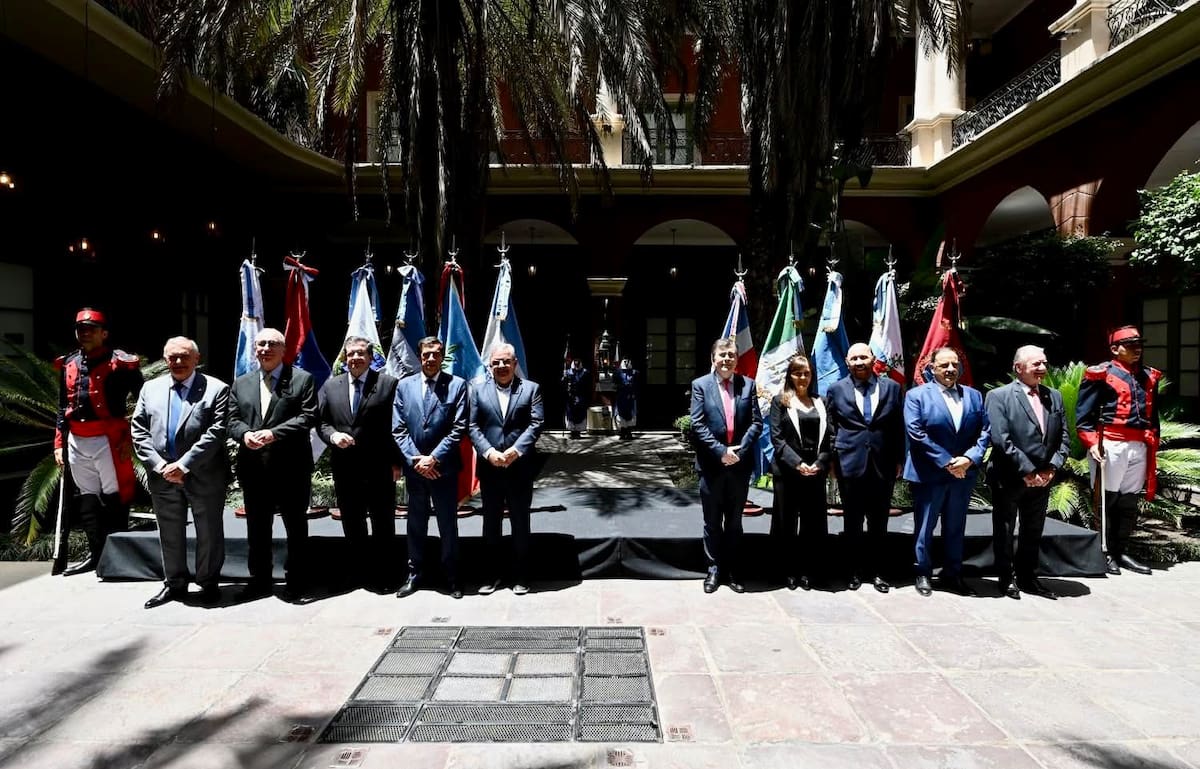
The governors held a summit last week hosted by Santiago Governor Gerardo Zamora, where Jalil assumed the presidency of the “Norte Grande” group. The following day, Santilli met with both the outgoing and incoming governors of Santiago to discuss the region’s priorities, which Zamora then relayed to the Interior Minister. The move signaled the governors’ intent to proactively set the agenda rather than react to proposals from the Casa Rosada.
A final statement from the meeting affirmed “permanent dialogue as a region toward a common agenda” and a commitment to “work together for our regional and federal interests.” Jalil celebrated the progress on X, stating, “We are building a more united Northern Grande region, with greater federal presence and better opportunities for our people.”
Governor Sáenz is actively promoting a formal structure for the coalition, tentatively named “País Federal.” The group could potentially include members of the libertarian Coherencia bloc and the MID party, who are seeking a stable political alliance. This potential expansion underscores the growing desire for a broader, more influential political force.
Sáenz is planning a meeting on Thursday at the Casa de Salta in Buenos Aires to expand the bloc, which currently consists of his three deputies and four from Misiones. Karina Maureira, representing the “La Neuquinidad” alliance of Neuquén Governor Rolando Figueroa, may also join the group.
The immediate goal is to exceed 12 members, the threshold required to secure positions on key committees and gain greater representation in bicameral sessions. “Between 12 and 15,” negotiators for the group say, working to finalize an agreement before December 3, when newly elected legislators are sworn in and block leadership is determined. The case highlights the increasing fragmentation within Argentina’s political landscape.
In the Senate, the Convicción Federal bloc – comprised of Guillermo Andrada (Catamarca), Carolina Moisés (Jujuy), Fernando Salino (San Luis), and Fernando Rejal (La Rioja) – represents provincial leaders who have distanced themselves from the Peronist party and are seeking a more federal agenda. They have ruled out rejoining the main Peronist bloc and are considering a similar arrangement in the Chamber of Deputies, potentially forming an interbloc to coordinate positions without a complete split.
