
New Book Details Ancient Indian Health Conference, Ayurveda’s 4,000-Year History
New Delhi – A new book released today by India’s Ministry of Education details an ancient health conference held thousands of years ago at the foothills of the Himalayas, highlighting India’s longstanding contributions to medical science and the roots of Ayurveda.
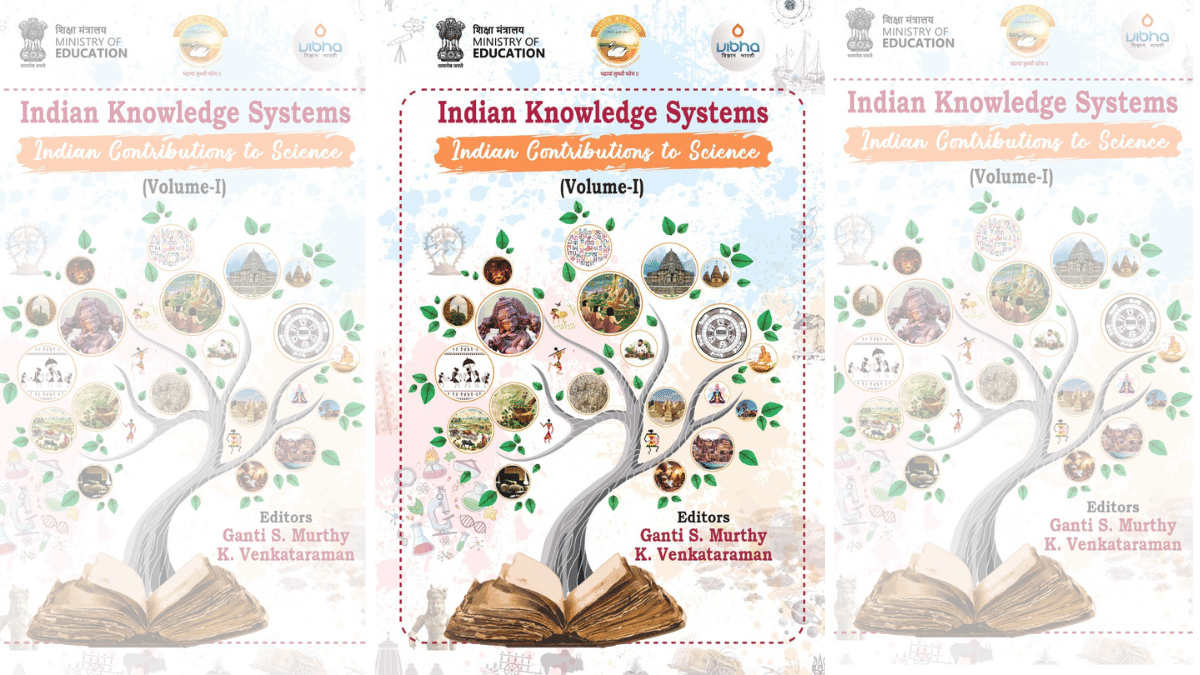
The book, ‘Indian Knowledge Systems: India’s Contribution to Science – Volume 1’, authored by eight academics and edited by G.K. Venkataraman and Professor Ganti S. Murthy, traces Ayurveda’s origins to the Vedas and dates its codification to at least 4,000 years ago – over 1,500 years before Hippocrates, considered the father of Western medicine. The text describes a “remarkable” and “well-documented” event where Ayurvedic teachers, or ācāryas, gathered to address widespread illness affecting humans, animals, and plants. Bharadvāja, a Vedic sage, presented foundational concepts of etiology, symptomatology, and therapeutics, which were debated and accepted as the basis for a structured medical system.
The book also details the impact of colonization on India’s Indigenous knowledge systems, outlining a history of “brutal conquest, economic exploitation, and intellectual subjugation.” It notes how colonizers actively suppressed Indian traditions to justify their rule, dismantling traditional industries and attempting to replace native education with a Western model – a process that continues to have repercussions for cultural preservation. The text highlights an illustration from the Śālihotra Saṃhitā depicting ancient eye surgery performed on a horse, demonstrating advanced veterinary practices. Modern medicine is increasingly recognizing the holistic approaches long practiced in Ayurveda, such as the importance of diet and mental wellbeing, as outlined by the World Health Organization.
Editors of the book state it is “a testament to the ingenuity, creativity, and wisdom of ancient Indian scholars and scientists” and will serve as a resource for higher education institutions and researchers. The Ministry intends for the book to inspire further exploration of India’s knowledge traditions and to underscore the continuing relevance of Ayurveda in contemporary healthcare.
Officials stated the book represents a crucial step in reclaiming and celebrating India’s intellectual heritage, and further initiatives to promote Indian Knowledge Systems are planned for the coming year.
