

A Brazilian man identified by U.S. authorities as Felipe Linares de Oliveira Dell Aquilla—known as “Don” or “Dom”—was arrested in North Carolina on June 5, 2026, after a high-speed chase following a traffic stop. The U.S. Department of Homeland Security (DHS) and Immigration and Customs Enforcement (ICE) allege he was a former commander of Brazil’s Primeiro Comando da Capital (PCC) and Comando Vermelho (CV), two criminal factions designated as foreign terrorist organizations by the U.S. government. His detention, confirmed by multiple outlets including the BBC and CNN Brasil, marks the first major arrest under a new U.S. policy classifying the groups as terrorist entities.
Who Was Arrested, and What Do the Charges Include?
Aquilla’s arrest followed a June 5 traffic stop in Mooresville, North Carolina, where authorities say he attempted to flee in his vehicle before colliding with other cars and being apprehended on foot. During the search of his car, agents seized multiple cellphones, laptops, cash, and a 9mm pistol. His wife later confirmed in questioning that she had been held against her will—a detail that led to additional charges of kidnapping under U.S. law.
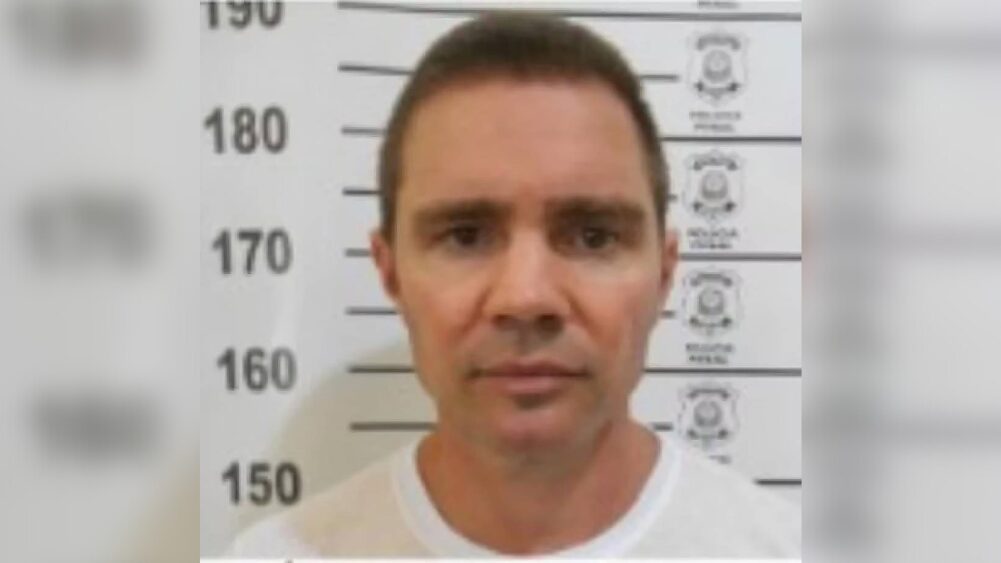
According to the DHS, Aquilla entered the U.S. illegally and was the subject of an international arrest warrant from Brazil for crimes including criminal association and aggravated extortion. Brazilian authorities, however, have not publicly confirmed his direct ties to the PCC or CV, despite the U.S. designation. The VEJA Rio reported that federal police and prosecutors in São Paulo and Rio de Janeiro denied recognizing him as a known figure in either group. A Brazilian Ministry of Justice spokesperson declined to comment, and the country’s Federal Police stated they “do not disclose or confirm names of potential targets.”
The U.S. move has sparked diplomatic friction. Brazil’s government has criticized the arrest as a potential overreach, arguing it could undermine sovereignty by allowing U.S. law enforcement to act on crimes committed abroad. The timing of the operation—just hours after the U.S. officially labeled the PCC and CV as foreign terrorist organizations—has raised questions about whether the designation was influenced by pre-existing intelligence targeting Aquilla.
The U.S. Designation: Why the PCC and CV Are Now “Terrorist Organizations”
On June 5, 2026—the same day Aquilla was arrested—the U.S. State Department added the PCC and CV to its list of Foreign Terrorist Organizations (FTOs). The designation, which applies retroactively, means U.S. authorities can now prosecute members for terrorism-related offenses, even if the crimes occurred outside American jurisdiction. The move aligns with a broader crackdown on transnational criminal networks, including Latin American cartels and gangs.
Brazil’s response has been muted but pointed. While officials have not formally protested the arrest, internal discussions suggest concern over how the designation could complicate extradition negotiations and cooperation on other cases. The PCC and CV, both deeply embedded in Brazil’s prison system and urban slums, have long operated with impunity. Their U.S. classification could now subject them to international sanctions and disrupt their global operations, including drug trafficking and money laundering networks.

Yet the designation’s effectiveness hinges on enforcement. As the sociologist Gabriel Feltran, director of research at France’s Centre National de la Recherche Scientifique (CNRS), noted in an interview with the BBC, modern criminal factions like the PCC and CV function as decentralized networks rather than hierarchical organizations with clear leaders. “There are positions occupied by people with responsibilities within the groups,” Feltran said, “but they don’t necessarily ‘command’ them.” This structural ambiguity could undermine the U.S. strategy, which relies on targeting high-profile figures to dismantle entire operations.
The Arrest’s Immediate Fallout: Legal and Diplomatic Repercussions
Aquilla now faces multiple charges in U.S. courts, including evading arrest, illegal firearm possession, and kidnapping. His legal team has not yet commented publicly. Meanwhile, the ICE’s Homeland Security Investigations (HSI) unit, which led the operation, framed the arrest as a victory in combating international crime.
“This arrest demonstrates the HSI’s unwavering commitment to protecting our communities from dangerous international criminals,” said Mark M. Zito, special agent in charge of HSI in North and South Carolina. “By apprehending a known leader of violent foreign terrorist organizations—wanted for serious crimes including criminal association and extortion—we prevent further harm to innocent people here and abroad.”
The arrest also raises questions about Brazil’s own legal system. Aquilla’s name does not appear on Interpol’s public Red Notice list, despite the U.S. claiming an international warrant exists. Brazilian courts, however, have issued two domestic arrest warrants against him: one from 2019 for coercion during a trial and another from 2024 for aggravated extortion, for which he was sentenced to nine years and seven months in prison. The discrepancy highlights gaps in international cooperation, particularly when it comes to sharing sensitive intelligence on criminal networks.
What Happens Next: Extradition, Extradition, and the Future of U.S.-Brazil Relations
Aquilla’s case will now hinge on three critical questions: Will Brazil pursue extradition? How will the U.S. designation of the PCC and CV play out in practice? And what does this arrest signal for future U.S. counterterrorism efforts in Latin America?
Extradition is far from guaranteed. Brazil has historically resisted handing over citizens accused of crimes tied to domestic security concerns, particularly when those crimes involve organized crime factions. The government may argue that Aquilla’s arrest undermines its own sovereignty, especially if he is seen as a scapegoat for broader U.S. policy shifts. Alternatively, Brazil could use the case to negotiate better terms for extradition requests of its own—such as those involving U.S. citizens accused of crimes in Brazil.

For the PCC and CV, the U.S. designation could have unintended consequences. While it may disrupt some operations, the groups’ decentralized structure means they can adapt quickly. As Feltran observed, “The idea of a ‘boss’ is outdated for these organizations.” Instead, they rely on local commanders and informal networks, making them resilient to top-down strikes. The real test will be whether the U.S. can build cases against mid-level operatives—or whether the designation becomes a symbolic move with limited practical impact.
Diplomatically, the arrest could strain U.S.-Brazil relations further. Brazil’s government has already expressed irritation over U.S. actions in the past, particularly regarding drug policy and military cooperation. If the U.S. continues to target Brazilian nationals for crimes linked to domestic factions, it risks alienating a key ally in Latin America—especially as regional powers like Mexico and Colombia navigate their own tensions with Washington.
The Bigger Picture: A Shift in U.S. Counterterrorism Strategy
Aquilla’s arrest is part of a broader U.S. push to treat Latin American criminal groups as terrorist entities, a strategy that gained momentum under the Biden administration. The designation of the PCC and CV follows similar moves against Mexican cartels like the Sinaloa and CJNG organizations. The goal is to sever their financial and logistical support networks, particularly in the U.S., where proceeds from drug trafficking and extortion often flow.
Yet the approach is not without risks. By labeling these groups as “terrorist,” the U.S. risks framing them as ideological threats rather than criminal enterprises—which could complicate legal cases and diplomatic negotiations. It also sets a precedent: if the PCC and CV can be designated, what’s next? Other Latin American gangs, or even political movements, could face similar classifications, further entangling U.S. law enforcement in regional conflicts.
For now, Aquilla’s case serves as a case study in how these new designations play out. His arrest may send a message to other factions, but without deeper cooperation from Brazil—and a clearer strategy to dismantle their operations—the impact could be limited. As the U.S. tightens its grip, the question remains: Will this be a turning point, or just another chapter in a long, unresolved conflict?
Find more reporting in our News section.
