
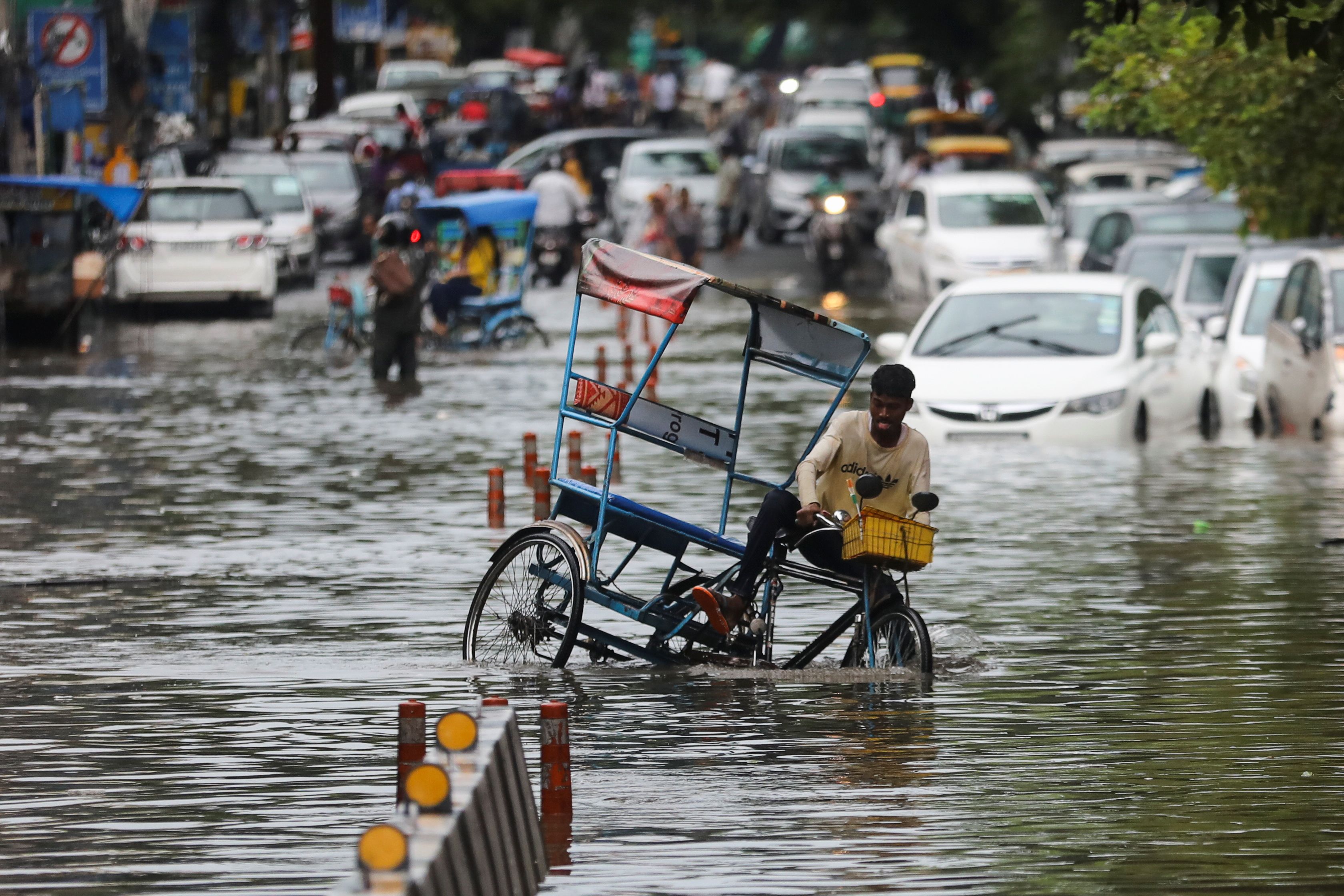
Health experts in India advise against bathing in the first rains of the monsoon season, citing risks of skin irritation and respiratory issues. As of June 16, 2026, medical practitioners note that early rainfall often carries accumulated atmospheric pollutants, industrial dust, and chemical particles that can cause allergic reactions or infections upon contact with human skin.
Atmospheric Pollutants and Skin Health
The initial showers of the monsoon are often referred to as the “first rain,” a period when the atmosphere has accumulated high concentrations of particulate matter, sulfur dioxide, and nitrogen oxides after a long, dry summer. According to dermatologists, these pollutants mix with rainwater to create an acidic solution that can disrupt the natural pH balance of the skin.
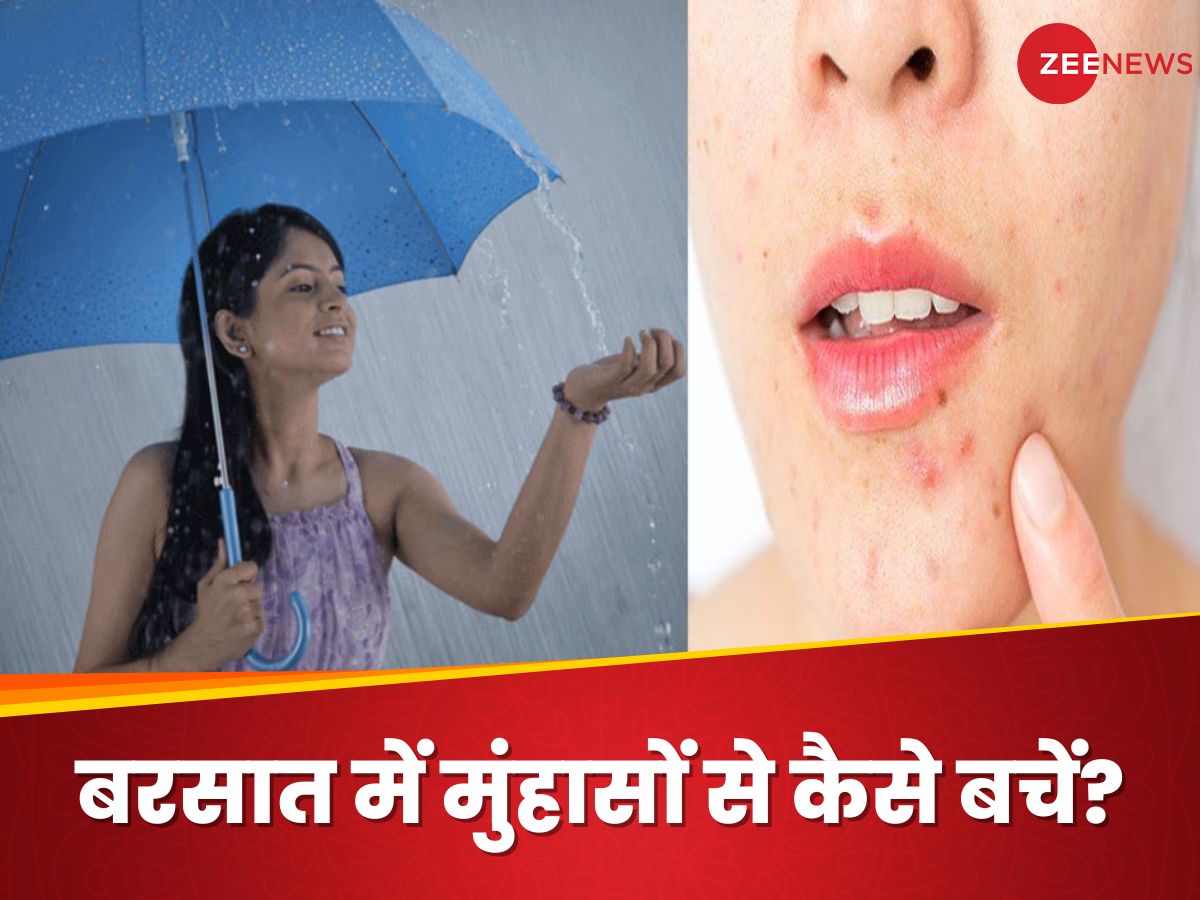
Exposure to this water is frequently linked to contact dermatitis, a condition characterized by redness, itching, and inflammation. Medical professionals emphasize that individuals with sensitive skin or pre-existing conditions like eczema are at a higher risk of developing rashes after direct exposure to early seasonal precipitation. The mechanism is largely attributed to “acid rain” effects, where atmospheric sulfur and nitrogen compounds dissolve in raindrops, lowering the pH level of the water significantly below the neutral 7.0 mark. When this acidic moisture contacts the protective barrier of human skin, it can strip away natural oils and disrupt the microbiome, leaving the skin vulnerable to opportunistic bacterial and fungal colonization.
Respiratory and Immune Concerns
Beyond dermatological effects, public health reports highlight that the first rains can facilitate the spread of waterborne and airborne pathogens. When rain hits dry, dusty surfaces, it often kicks up mold spores and bacteria that have been dormant in the soil. This phenomenon, often referred to as the “petrichor effect” in a geological sense, becomes a clinical concern when the moisture aerosolizes microscopic particulate matter (PM2.5 and PM10) that has settled on urban surfaces during the preceding hot, dry months.
 "Respiratory and Immune Concerns")
Dr. Anjali Sharma, a consultant in internal medicine, explains the mechanism behind these seasonal health risks:
The first rain often acts as a carrier for various contaminants that have settled on rooftops and streets. Inhaling the mist or allowing the water to dry on the skin can introduce these irritants into the body, potentially triggering respiratory distress or exacerbating seasonal allergies.
Dr. Anjali Sharma, Consultant in Internal Medicine
For individuals with underlying respiratory conditions such as asthma or chronic obstructive pulmonary disease (COPD), the inhalation of these rain-triggered aerosols can lead to bronchospasms. The sudden shift in humidity, combined with the presence of fungal spores released from damp soil, creates an environment that can trigger acute exacerbations of respiratory symptoms.
Mitigation and Preventive Measures
Health authorities recommend specific precautions during the onset of the monsoon to minimize exposure to contaminated water. The primary advice involves avoiding direct contact with the first few showers of the season. Public health advisories issued by regional medical councils consistently emphasize the importance of personal hygiene during the transition from the dry season to the wet season.
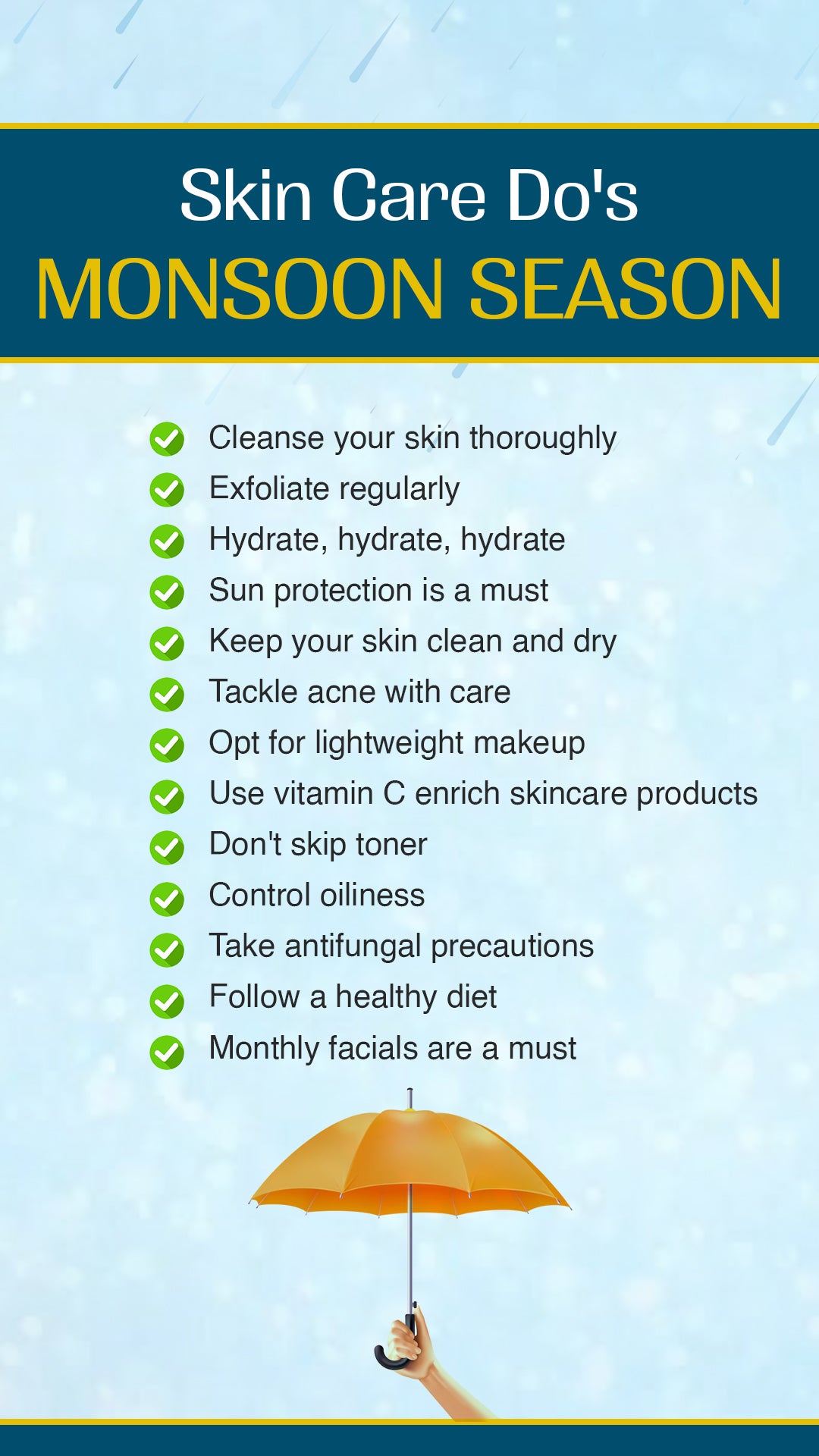
If exposure occurs, medical guidance suggests taking a shower with clean, fresh water immediately afterward to wash away any acidic residues or particulate matter. Wearing protective clothing, such as raincoats or using umbrellas, remains the most effective barrier against skin contact with potentially polluted rainwater. Beyond personal protection, dermatologists advise the use of mild, soap-free cleansers to restore the skin’s pH balance after inadvertent exposure to rain.
Furthermore, experts suggest that individuals should ensure their living environments are free of stagnant water, which can serve as a breeding ground for mosquitoes and other vectors during the early monsoon weeks. The risk of vector-borne diseases, such as dengue and malaria, typically rises in the weeks following the first rains as water collects in discarded containers, tires, and blocked drainage systems. While the rain is often welcomed for agricultural benefits, the clinical consensus remains that the initial phase of the season requires heightened caution regarding personal hygiene and environmental exposure.
The Seasonal Context of Air Quality
As the monsoon progresses, the concentration of atmospheric pollutants typically decreases as the rain cleanses the air—a process known as “wet deposition”—leading to a reduction in these specific health risks. The initial rainfall acts as a scrubber, pulling suspended dust and pollutants out of the air and depositing them onto the ground. Consequently, while the first rains are the most hazardous due to the sudden concentration of these pollutants, the air quality usually improves significantly after sustained periods of precipitation.
However, as of mid-June 2026, residents in affected regions are encouraged to prioritize preventive measures until the air quality stabilizes. Local health departments underscore that community-level awareness regarding the storage of potable water and the maintenance of sanitation around residential areas is critical during this transition period. By minimizing skin contact with the initial runoff and maintaining clean, dry living conditions, the public can significantly mitigate the health risks associated with the onset of the monsoon season.
Find more reporting in our News section.
