
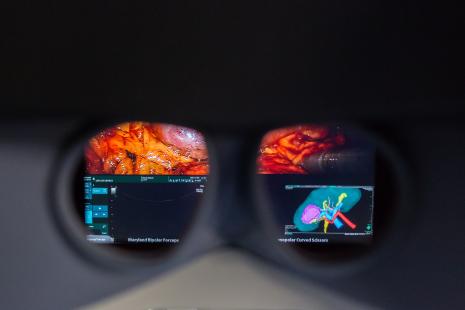
A recent gathering of leading oncology experts,clinicians,and patient advocates underscored a pivotal shift in cancer care-one that prioritizes translating scientific breakthroughs into tangible benefits for those facing the disease. Held Febuary 8, 2024, the meeting focused on the growing emphasis on personalized medicine and the critical need to address challenges in access and patient-centered care. As cancer remains a leading cause of death globally, accounting for nearly 10 million fatalities in 2018 [[1]],these discussions highlight the ongoing effort to reduce that burden and improve quality of life for patients.
Cancer Treatment: Bridging the Gap Between Scientific Advances and Patient Experience
Recent advancements in cancer treatment are offering new hope to patients, but ensuring these innovations translate into tangible benefits requires a holistic approach that considers the human dimension of the disease. This was a central theme at a recent meeting held on February 8, 2024, bringing together researchers, clinicians, and patient advocates.
The discussion highlighted the rapid pace of scientific discovery in oncology. Researchers are increasingly focused on personalized medicine, tailoring treatments to the unique genetic makeup of each tumor and individual patient. This approach, fueled by advances in genomics and data analysis, promises to improve treatment efficacy and minimize side effects.
“We are witnessing a revolution in our understanding of cancer,” said Dr. Gilles Freyer, a professor at the Centre Léon Bérard in Lyon, France. “However, translating these scientific breakthroughs into improved patient outcomes is not automatic. It requires careful consideration of the patient’s needs, preferences, and quality of life.”
One key challenge is ensuring equitable access to these cutting-edge therapies. The cost of personalized medicine can be substantial, potentially creating disparities in care. Addressing these financial barriers and ensuring that all patients, regardless of socioeconomic status, have access to the best possible treatment is a critical priority.
The meeting also emphasized the importance of shared decision-making between clinicians and patients. Patients should be actively involved in discussions about their treatment options, with a clear understanding of the potential benefits and risks. This collaborative approach empowers patients to make informed choices that align with their values and goals.
Furthermore, supportive care plays a vital role in managing the physical and emotional challenges of cancer. Addressing symptoms like pain, fatigue, and anxiety can significantly improve a patient’s quality of life during and after treatment. Integrating supportive care services into the standard cancer care pathway is essential.
Researchers also discussed the potential of artificial intelligence (AI) to accelerate cancer research and improve clinical decision-making. AI algorithms can analyze vast amounts of data to identify patterns and predict treatment responses, potentially leading to more effective and personalized therapies. However, ethical considerations and data privacy concerns must be carefully addressed as AI becomes more integrated into cancer care.
“The future of cancer treatment lies in a collaborative, patient-centered approach that combines scientific innovation with compassionate care,” Dr. Freyer concluded. “By bridging the gap between the laboratory and the bedside, we can make meaningful progress in the fight against cancer.”
The discussions underscored the need for continued investment in cancer research, as well as efforts to improve access to care and enhance the patient experience. These advancements are crucial for improving outcomes and reducing the burden of this devastating disease.
