
A proposed industrial complex that threatened the exceptionally dark skies above Chile’s Atacama Desert has been scrapped, averting a potential crisis for the international astronomical community [[1]]. The AES Andes project, intended to produce green hydrogen and ammonia, drew opposition due to its proximity to major observatories including the Very Large Telescope and the under-construction Extremely Large Telescope [[2]]. The cancellation, announced February 2nd, highlights the increasing tension between enduring energy initiatives and the need to protect unique environments critical for scientific advancement [[3]].
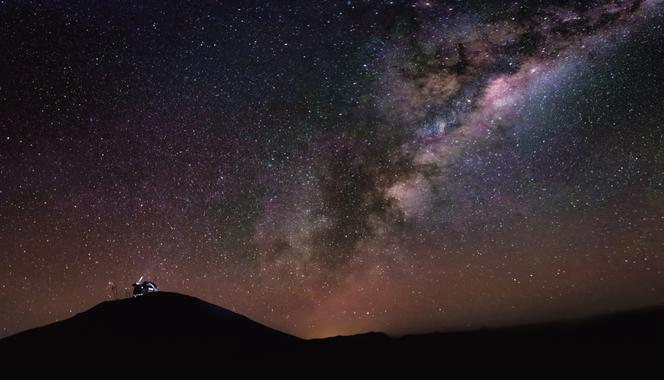
A planned large-scale industrial complex in Chile’s Atacama Desert has been canceled, offering relief to astronomers concerned about potential light and radio interference with sensitive observations. AES Andes, the Chilean subsidiary of AES Corporation, announced the termination of the “INNA” project, which aimed to produce green hydrogen and wind-generated electricity.
The decision, confirmed on February 2 by the European Southern Observatory (ESO) while awaiting formal notification from Chilean authorities, averts a potential conflict with existing astronomical infrastructure. AES Andes had filed an environmental impact study in December 2024 for the proposed 30-square-kilometer site.
The proposed location was just 7.5 miles south of Cerro Paranal, home to ESO’s Very Large Telescope (VLT), and 15 miles from the construction site of the Extremely Large Telescope (ELT). The ELT, slated for completion in 2030, is poised to become the world’s largest optical telescope, promising unprecedented insights into the universe. Protecting the pristine conditions for these observatories is crucial for maximizing their scientific output.
The INNA project envisioned a significant industrial presence in the region, raising concerns about its impact on the exceptionally dark and clear skies that make the Atacama Desert a prime location for astronomical research. The cancellation underscores the growing need to balance renewable energy development with the preservation of critical scientific resources.
Il vous reste 73.6% de cet article à lire. La suite est réservée aux abonnés.
