
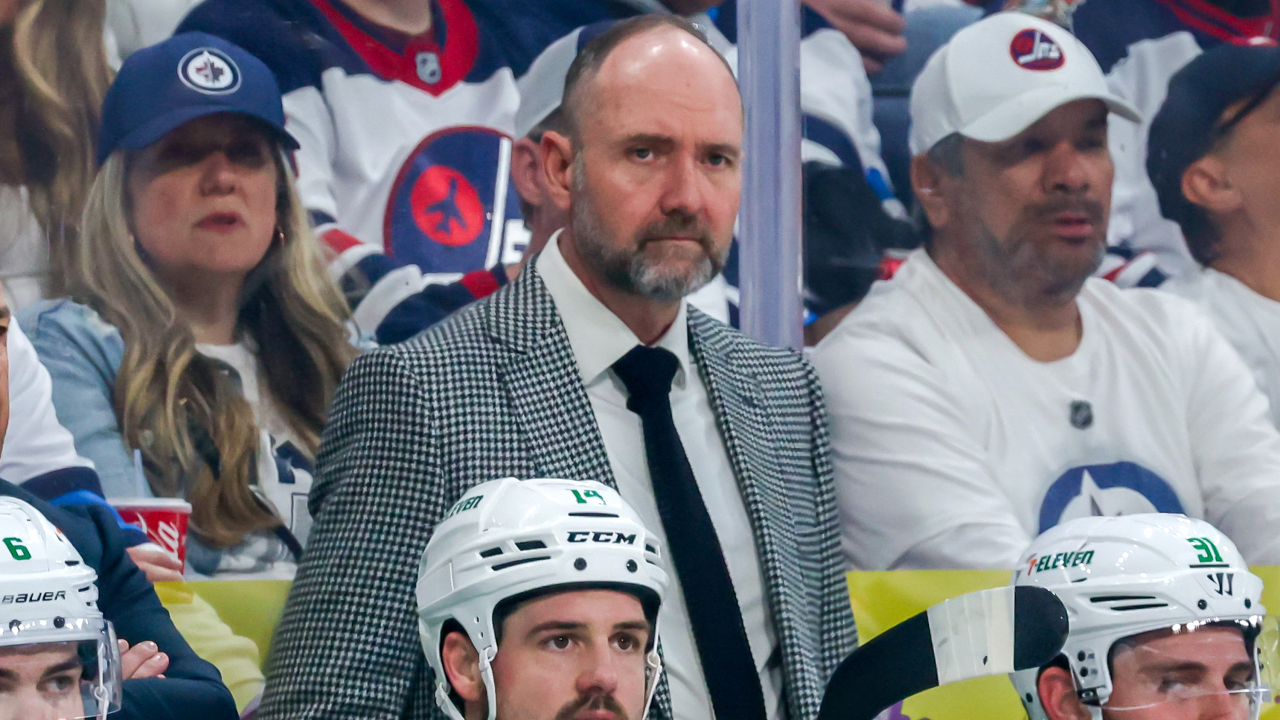
The Dallas Stars’ recent coaching change is just the tip of the iceberg,reflecting a league-wide trend. This article dives deep into the shifting sands of NHL coaching, exploring the increasing pressure for immediate results and what it means for teams like the Stars and the future of the game. Discover the short-term strategies, player dynamics, and evolving expectations reshaping the landscape of NHL coaching.
The Shifting Sands of NHL Coaching: What’s Next for the Dallas Stars and Beyond
The recent firing of Pete DeBoer by the Dallas Stars highlights a critical trend in the National Hockey League: the increasing pressure on coaches to deliver immediate results. While DeBoer boasts an extraordinary regular-season record and playoff success, the organization’s decision underscores the high stakes and the evolving expectations within the league. Let’s delve into the potential future trends this move signals for the NHL.
The “New Voice” Mandate: short-Term Focus and Player Dynamics
The Stars’ general manager, Jim Nill, cited the need for a “new voice” as the primary reason for the coaching change. This phrase has become a common refrain in the NHL, reflecting a shift towards shorter coaching tenures and a greater emphasis on immediate impact. Teams are increasingly willing to make changes to try and get over the hump and win the Stanley Cup.
this trend is fueled by several factors:
- Player-Coach Relationships: Modern players often have shorter tenures wiht a single team, and the dynamics between players and coaches can evolve quickly. A “new voice” can sometimes provide a fresh outlook and reinvigorate the team.
- The Pressure to win: With the financial investments in players and the intense competition for playoff spots, teams are under immense pressure to succeed. Patience is a virtue that is becoming increasingly rare.
- The Rise of Analytics: While not always the deciding factor, data-driven analysis plays a notable role in evaluating coaching performance. teams are constantly looking for ways to optimize their strategies and player usage.
Pro Tip: Keep an eye on how teams are utilizing advanced statistics to evaluate their coaches. This data can provide valuable insights into a coach’s effectiveness beyond just wins and losses.
The Goaltending Conundrum: Managing the Modern Netminder
DeBoer’s public criticism of goaltender Jake Oettinger, even after clarifying his comments, is a fascinating aspect of this situation. It highlights the delicate balance coaches must strike when managing their goalies, especially in high-pressure playoff scenarios.
The role of the goalie has evolved substantially. Modern goalies are expected to be technically sound,mentally resilient,and capable of handling a heavy workload. Coaches must find ways to support their goalies while also holding them accountable. This includes:
- Interaction: Open and honest communication is crucial. Goalies need to understand their coach’s expectations and receive constructive feedback.
- Trust: Building trust is essential. Goalies need to feel confident in their coach’s decisions and believe they have the support of the coaching staff.
- Adaptability: Coaches must be adaptable and willing to adjust their strategies based on the goalie’s strengths and weaknesses.
Did you know? The average NHL goalie’s career is relatively short, making the coach-goalie relationship even more critical for success.
The Coaching Carousel: A Look at the Future
DeBoer’s firing is unlikely to be an isolated incident. The coaching carousel is a constant feature of the NHL, and we can expect to see more changes in the coming seasons. Here are some trends to watch:
- The Rise of Young Coaches: Teams are increasingly looking to hire younger coaches who can connect with players and bring fresh ideas to the game.
- The Importance of Experience: While youth is valued, experience remains crucial. Successful coaches often have a proven track record of winning and managing players.
- The Role of Assistant Coaches: The role of assistant coaches is becoming more vital. Teams are investing in specialized coaches who can focus on specific areas, such as power plays, penalty killing, and player development.
Case Study: Look at the success of coaches like Rod Brind’amour (Carolina Hurricanes) and Jared Bednar (Colorado Avalanche). Both have built strong cultures and achieved significant success by focusing on player development and team cohesion.
FAQ: Your NHL Coaching Questions Answered
Q: how long do NHL coaches typically last?
A: The average tenure of an NHL coach is around three to four years, but this can vary widely.
Q: What are the key qualities of a successful NHL coach?
A: Strong leadership, communication skills, tactical acumen, and the ability to build relationships with players are all essential.
Q: How does analytics impact coaching decisions?
A: Analytics are used to evaluate player performance, optimize line combinations, and inform strategic decisions.
Q: What is the impact of a coaching change on a team’s performance?
A: The impact can vary. Some teams experience an immediate boost, while others take time to adjust to a new system and coaching style.
Reader Question: What do you think is the most critically important quality for a coach to possess in today’s NHL? Share your thoughts in the comments below!
The firing of Pete DeBoer serves as a reminder of the ever-changing landscape of the NHL.As the league evolves, so too will the demands placed on coaches. By understanding these trends, we can gain a deeper appreciation for the challenges and opportunities facing teams and their leaders.
Want to stay ahead of the game? Subscribe to our newsletter for the latest NHL news, analysis, and insights. Join the conversation and share your thoughts in the comments below!
