
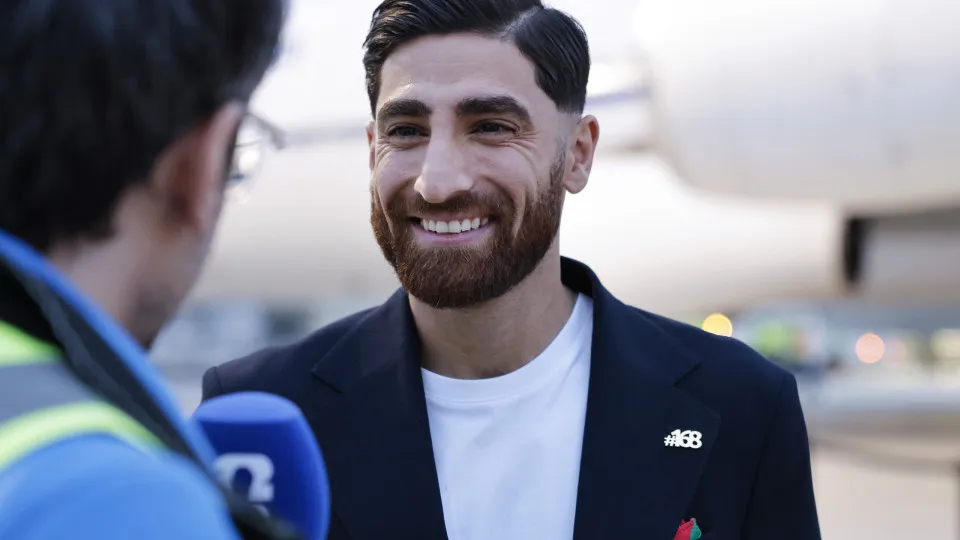
The Iranian national football team arrived in Tijuana, Mexico, on June 7, 2026, carrying pins with the number #168 on their jackets, a reference to a U.S.-alleged attack on a school in Minab, Iran, that killed 168 people. The gesture has raised concerns at FIFA, which prohibits political symbols on equipment, while the team faces logistical hurdles tied to U.S. visa restrictions and regional tensions.
The Pins and the Political Symbolism
The Iranian squad’s arrival in Tijuana, where they will base for the 2026 World Cup, was marked by the controversial use of pins featuring the number #168. This number commemorates the February 28, 2026, attack on the Shajareh Tayyebeh school in Minab, which the U.S. has not officially claimed but which Iranian officials and media have attributed to American forces. The pins, worn by players and staff, drew immediate attention from FIFA, which has rules banning political, religious, or personal slogans on uniforms or equipment.


“These pins are a tribute to the victims of the attack,” said Iranian coach Amir Ghalenoei, according to CartaCapital. “Before technical issues, ethical and humanitarian considerations must be respected.” The gesture echoes a previous protest by the team during a March 2026 friendly against Nigeria, when players entered the field wearing backpacks to honor the Minab victims.
FIFA’s response has been cautious. While the organization has not yet taken action, its regulations explicitly prohibit such symbols outside of the playing field. “The FIFA rules state that equipment must not contain political, religious, or personal statements,” a spokesperson noted, per Notícias ao Minuto. “If the pins appear during matches, sanctions could follow.”
For more on this story, see Iran’s World Cup visa crisis exposes U.S.-Tehran tensions ahead of LA opener.
Logistical Challenges and Visa Restrictions
The Iranian team’s participation in the 2026 World Cup has been complicated by U.S.-Iran tensions, which have led to visa denials for key officials. The U.S. Department of State confirmed that players’ visas were approved, but several members of the technical staff, including Football Federation of Iran (FFIRI) president Mehdi Taj, were barred. Taj, a former member of Iran’s Revolutionary Guard, was denied entry under U.S. laws targeting entities linked to terrorism.
/https://i.s3.glbimg.com/v1/AUTH_59edd422c0c84a879bd37670ae4f538a/internal_photos/bs/2026/A/H/P34wL7Tk6C5eOdLY7Bew/imagem-1200px.jpg "Photo: G1")
“The U.S. claims we’re using the visa system to infiltrate terrorists,” said Iranian ambassador to Mexico, Abolfazl Pasandideh, as reported by Folha de S.Paulo. “But we’re here to play football, not politics.” The team was forced to relocate its training base from Tucson, Arizona, to Tijuana, Mexico, due to these restrictions, a move approved by FIFA.
The U.S. has also imposed strict entry rules for the team. According to CartaCapital, Iranian players must enter and exit U.S. territory on the same day as their matches, a measure aimed at preventing “abuse of the visa system” as cited by the State Department. This has created logistical challenges, with players arriving in Tijuana just hours before games and departing immediately afterward.
This follows our earlier report, US Waives Visa Bonds for 2026 World Cup Ticket Holders.
Historical Context and Regional Tensions
The Iranian team’s participation in the 2026 World Cup occurs amid heightened regional hostilities. In late May 2026, Iran launched missile attacks on northern Israel, responding to Israeli strikes on Beirut. Israeli Security Minister Itamar Ben-Gvir warned, “Iran must burn,” according to Folha de S.Paulo. These tensions have overshadowed the team’s preparations, with players expressing frustration over the delayed visa approvals.
“Why so late?” asked captain Ehsan Hajsafi, per CartaCapital. “In the last year, we’ve lived through two wars imposed on our country.” Despite the challenges, the team remains focused. Forward Alireza Jahanbakhsh stated, “We are 100% ready to prepare for our first match against New Zealand,” according to CartaCapital.
The 1998 World Cup match between Iran and the U.S.
