
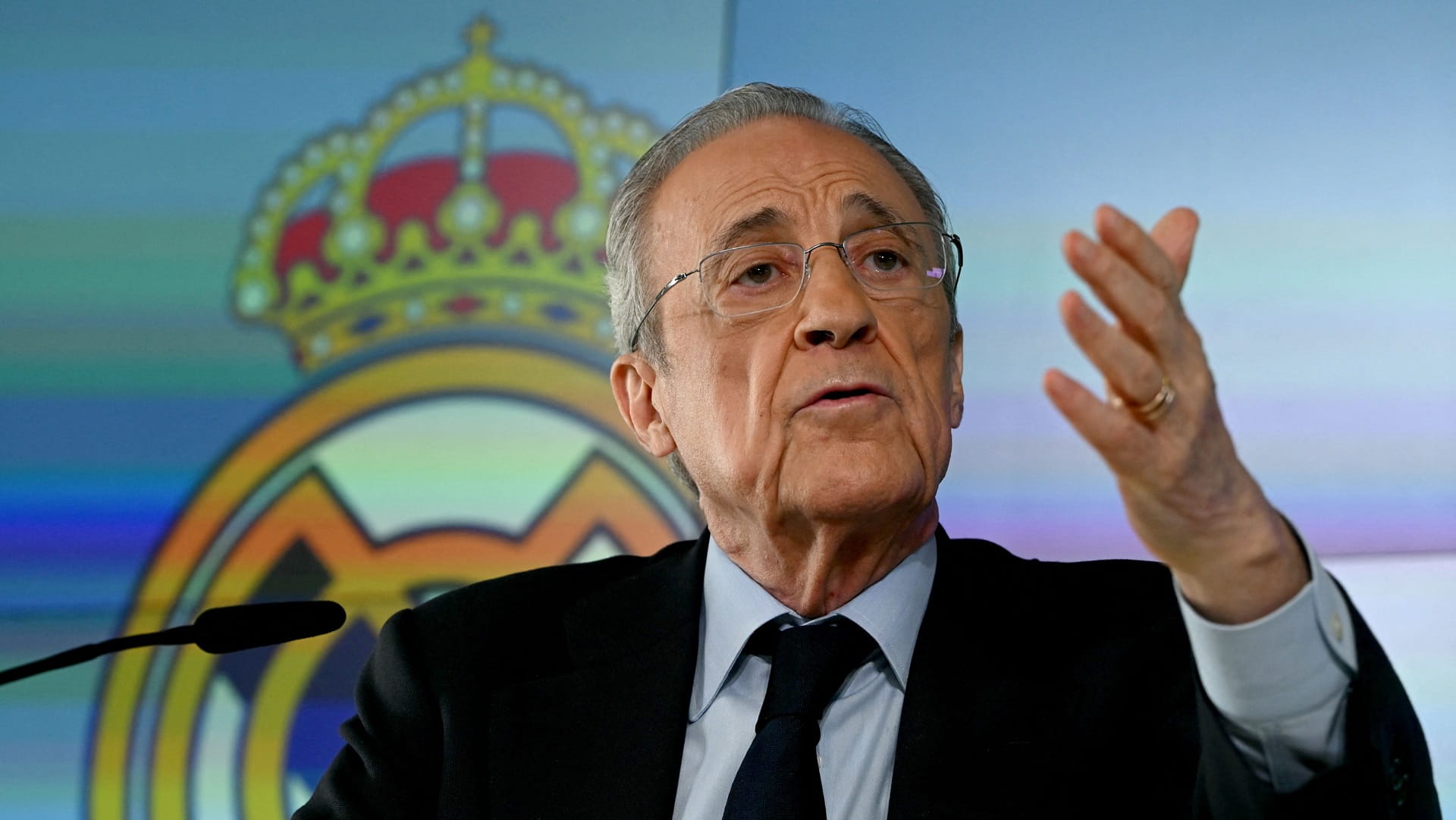
Florentino Pérez has secured a historic eighth term as president of Real Madrid, winning 65% of the vote in Sunday’s election. The 79-year-old executive defeated challenger Enrique Riquelme, ensuring his leadership of the Spanish club will continue until 2030, according to official results released by the club’s electoral board.
Election Results and the Path to 2030
The presidential race, which concluded late Sunday night, marked the first time in two decades that Real Madrid members were required to cast ballots in a contested election. According to Anadolu Ajansı, the official count saw Pérez secure 21,741 votes, while businessman Enrique Riquelme, head of the energy group Cox, received 11,814 votes. The final tally represented a significant mandate for the incumbent, who has steered the club since 2009, following an initial stint between 2000 and 2006. The electoral process was conducted under the club’s current statutes, which require presidential candidates to provide a bank guarantee amounting to 15% of the club’s annual budget, a financial hurdle that has historically narrowed the field of viable challengers.
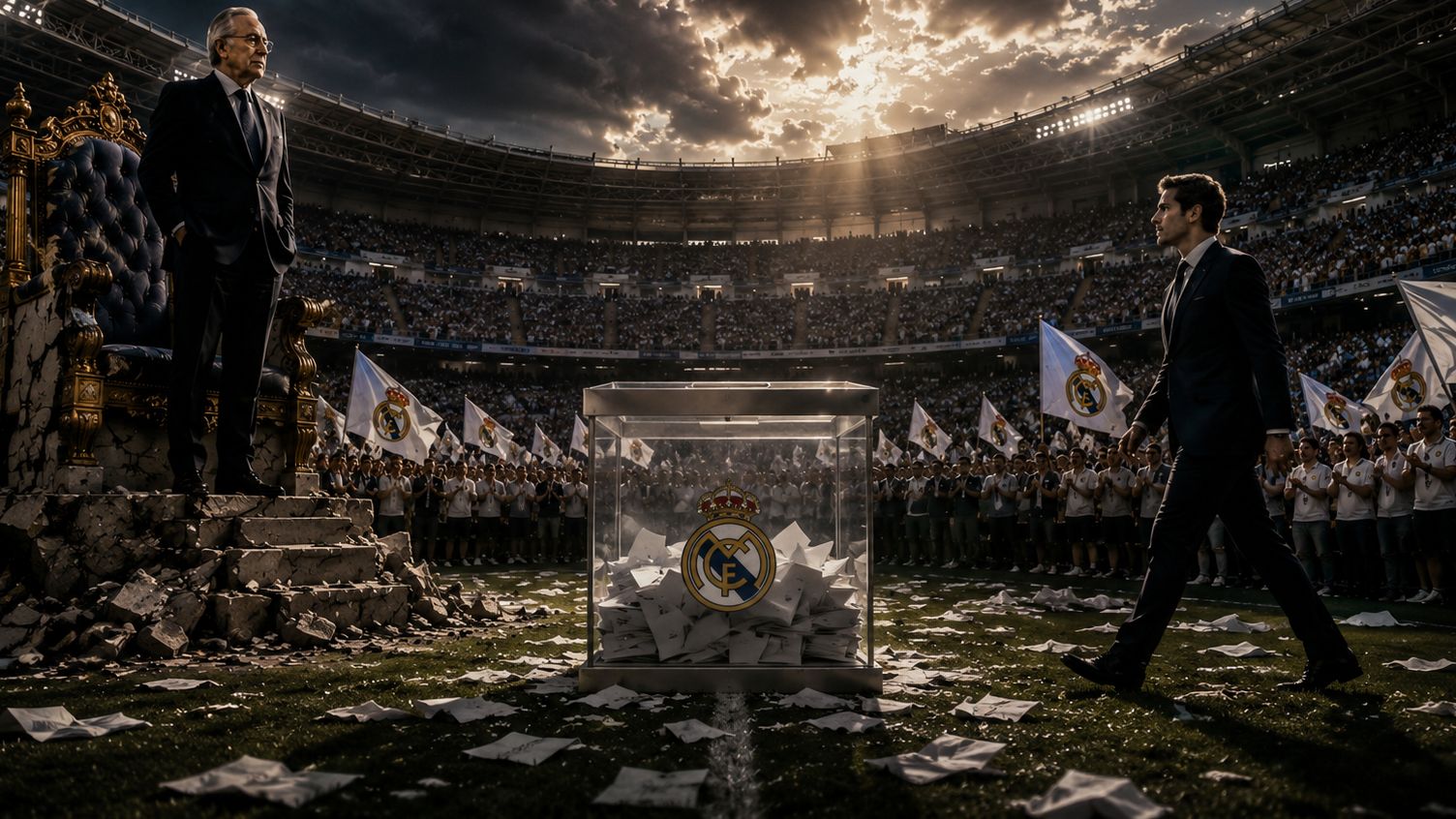
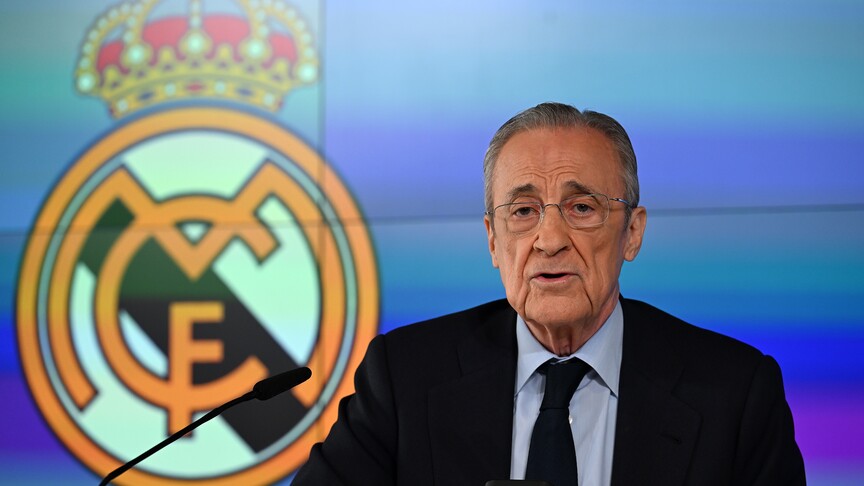
Pérez called for the snap election in mid-May, despite having two years remaining on his previous term. This decision followed two consecutive seasons in which the club failed to secure a major trophy. As reported by Kooora, Pérez had previously been re-elected by acclamation in 2009, 2013, 2017, 2021, and 2025. This week’s result effectively confirms his tenure for another four-year cycle, extending his influence over the organization deep into the decade. The club currently sits in a precarious position in the La Liga standings, trailing the league leaders by a significant margin, which placed intense pressure on the administration to reaffirm its long-term project before the summer transfer window opened.
Reaction and the Future of Real Madrid
Speaking from a hotel in the Spanish capital, Pérez framed the victory as a validation of his management style. He emphasized the club’s institutional stability, noting that the election process itself served as a model for transparency.
“لقد كان هذا يوما عظيما لريال مدريد، لقد فزنا في جميع الفئات العمرية، وحققنا ثاني أفضل نتيجة في تاريخ انتخابات ريال مدريد”
Riquelme, the 37-year-old challenger, acknowledged the defeat shortly after polls closed. Despite the loss, Riquelme noted the importance of the democratic exercise, stating, “أود أن أهنئ حملة فلورنتينو بيريز على فوزها، لن تمر 20 عاما أخرى دون انتخابات في ريال مدريد” (I would like to congratulate Florentino Pérez’s campaign on its victory; another 20 years will not pass without elections at Real Madrid), as reported by Sharjah24. His campaign platform had focused heavily on modernizing the club’s digital infrastructure and expanding the commercial footprint in emerging markets, a vision that resonated with a younger demographic of club members, even as the older membership base maintained its loyalty to the incumbent.
Policy Shifts and Institutional Strategy
With his mandate renewed, Pérez is expected to pivot toward significant institutional and athletic changes. Al-Bayan reports that a primary objective for the new term involves the potential opening of the club’s capital to a minority shareholder—a move Riquelme characterized during the campaign as “privatization.” Pérez has publicly dismissed such concerns, reassuring club members that Real Madrid remains firmly under the control of its supporters. The club’s current debt-to-equity ratio, exacerbated by the multi-year renovation of the Santiago Bernabéu stadium, remains a focal point for the board as they seek to balance the books ahead of the 2026-27 UEFA Financial Fair Play reporting cycle.
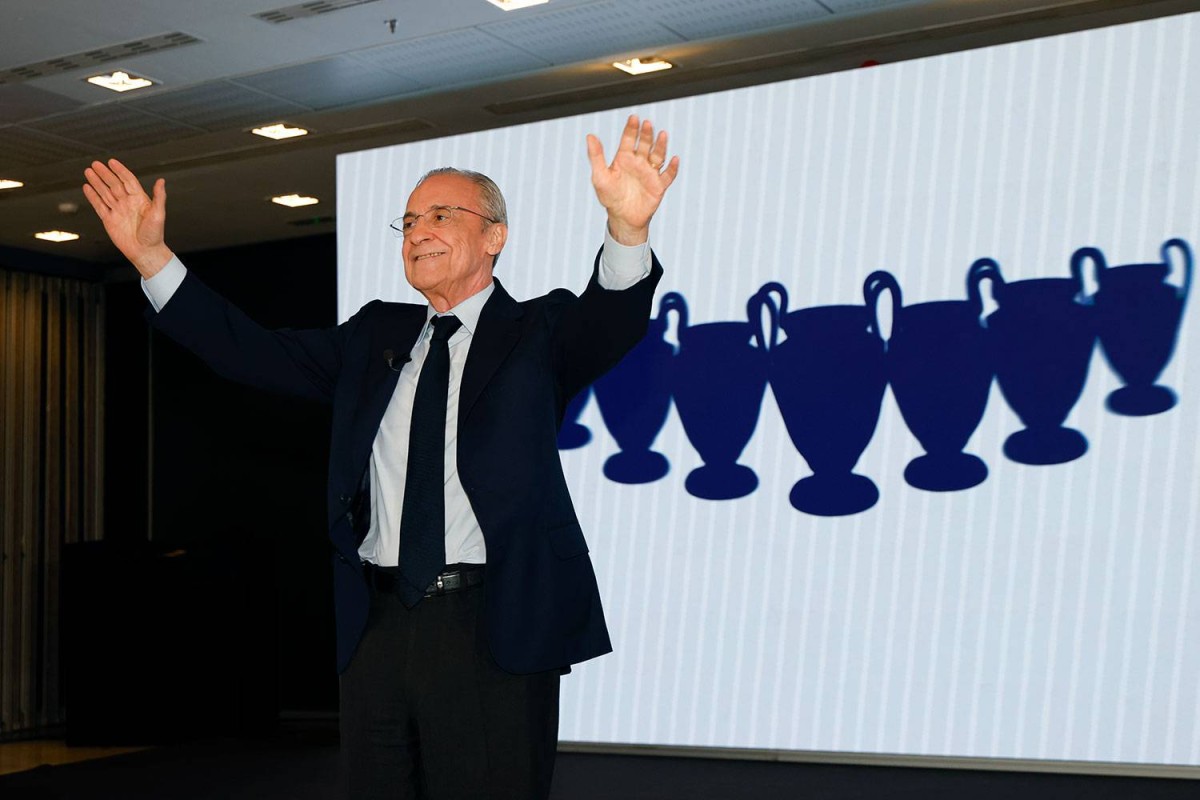
Athletically, the administration is signaling a return to the “Galácticos” strategy. Reports indicate that the club has targeted immediate defensive reinforcements, including Ibrahima Konaté and Denzel Dumfries, to bolster a backline that has conceded 14 goals in its last ten league matches. The medical department has confirmed that long-term injury absences have hampered the team’s defensive cohesion, with key center-back pairings unavailable for the upcoming Champions League knockout phase. While speculation continues regarding a high-profile offensive signing, the club faces resistance from other European powerhouses. For instance, Bayern Munich president Herbert Hainer has publicly stated that the German club is not currently in negotiations regarding a transfer for winger Michael Olise, effectively cooling the rumors that have dominated the Spanish press for the past fortnight.
Looking ahead, the administration must address the cooling of the club’s recent competitive output. While the return of José Mourinho as manager was confirmed by the president as a key priority for the coming season, the club will need to reconcile these ambitious personnel plans with the financial realities of modern football. The coaching staff is currently preparing the squad for the upcoming Madrid Derby, scheduled for next Sunday, which is viewed as a “must-win” match to secure a top-four finish and ensure Champions League qualification for the 2027-28 campaign. The team’s current form—two wins, two draws, and a loss in their last five fixtures—has created a sense of urgency within the locker room. For now, the administration has secured the political stability it sought, allowing Pérez to begin his eighth term with the full support of the membership as they face a critical juncture in the club’s competitive history.
