
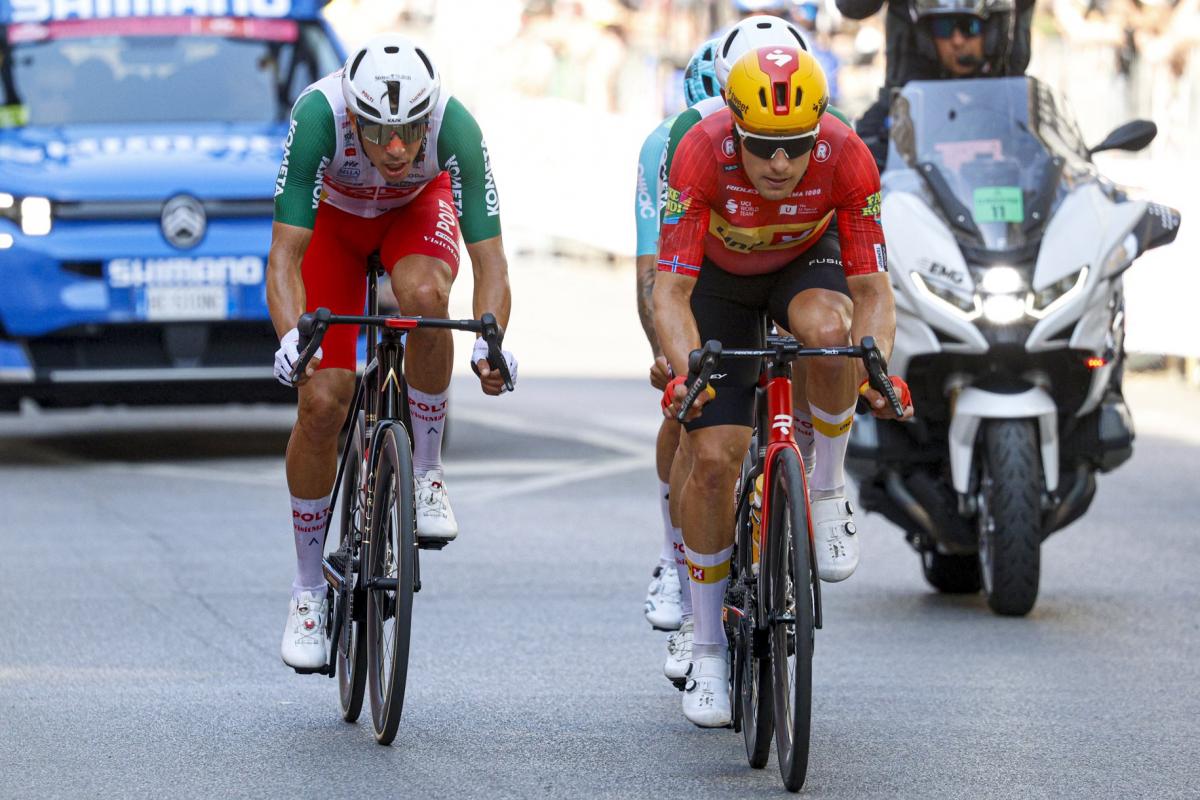
At the 15th stage of the Giro d’Italia 2026, Norwegian cyclist Fredrik Dversnes of Uno-X Mobility won a surprise victory in Milan, as sprinters accused race organizers of allowing motorcycles to unfairly influence the outcome, sparking tensions within the peloton.
The Escapee’s Triumph and the Sprinters’ Fury
Fredrik Dversnes secured a historic win in the 15th stage of the Giro d’Italia, defeating Italian rivals Mirco Maestri and Martin Marcellusi in a sprint finish that stunned the cycling world. The Norwegian rider, representing Uno-X Mobility, capitalized on an unexpected breakaway that evaded the peloton, which had been led by sprinting specialists like Paul Magnier and Dylan Groenewegen. The stage, contested over 157 kilometers from Voghera to Milan, saw the escape group maintain a 51 km/h average speed, a feat that left sprint teams reeling.


“Toutes les équipes de sprinteurs ont cramé leur train complet pour rien,” RMC Sport quoted Tim Torn Teutenberg, a Lidl-Trek rider, who criticized the race’s dynamics. “Tous ceux qui connaissent un tant soit peu le cyclisme ont vu que c’était une blague aujourd’hui.” The German cyclist’s remarks echoed the frustration of sprinting teams, who felt their efforts were rendered meaningless by the escape group’s prolonged advantage.
The sprinters’ disappointment was compounded by the decision of race leader Jonas Vingegaard to freeze the general classification times before the final circuit, a move that allowed Dversnes to maintain his five-second lead over the peloton. “Je savais que c’était ma chance,” Dversnes said after the stage, reflecting on his unexpected triumph. “Mais, soit devant, ils ont fait une performance extraordinaire, soit on n’était pas très bons derrière.”
The Unraveling of the Sprinters’ Strategy
The stage’s outcome exposed a critical flaw in the sprinters’ strategy. Each team had sacrificed four riders to cover the escape group, a tactic known as “relais suicide” or “suicidal relays.” Despite this, the peloton failed to close the gap, a result that left Magnier, who finished fifth, visibly upset. “Je n’ai pas envie de réagir trop à chaud,” the French rider said, “mais c’était une opportunité en or de viser une troisième victoire dans ce Giro.”
DirectVelo’s unofficial stage results highlighted the scale of the escape group’s success: Dversnes finished first, followed by Maestri, Marcellusi, and Mattia Bais. The sprinters’ inability to reel in the breakaway—despite a combined effort that included 100% of their squad’s resources—sparked accusations of external interference. “Chaque équipe de sprinteurs a sacrifié quatre coureurs qui ont pris des relais suicide sans rien gagner ou presque sur les quatre de devant,” Torn Teutenberg added, pointing to the motorcycles that frequently hovered near the escapees. “C’est impossible sans l’aspiration des motos et des véhicules qui étaient beaucoup trop près de l’échappée.”
The Role of Motorcycles in Shaping the Outcome
The controversy surrounding the motorcycles’ proximity to the breakaway has intensified scrutiny of race management practices. While no official statement has been released, the sprinters’ complaints suggest that the vehicles may have provided an unfair advantage to the escape group. “Les motos étaient beaucoup trop proches de l’échappée,” Torn Teutenberg reiterated, a sentiment echoed by other riders who felt the peloton’s efforts were undermined by the race’s logistical decisions.
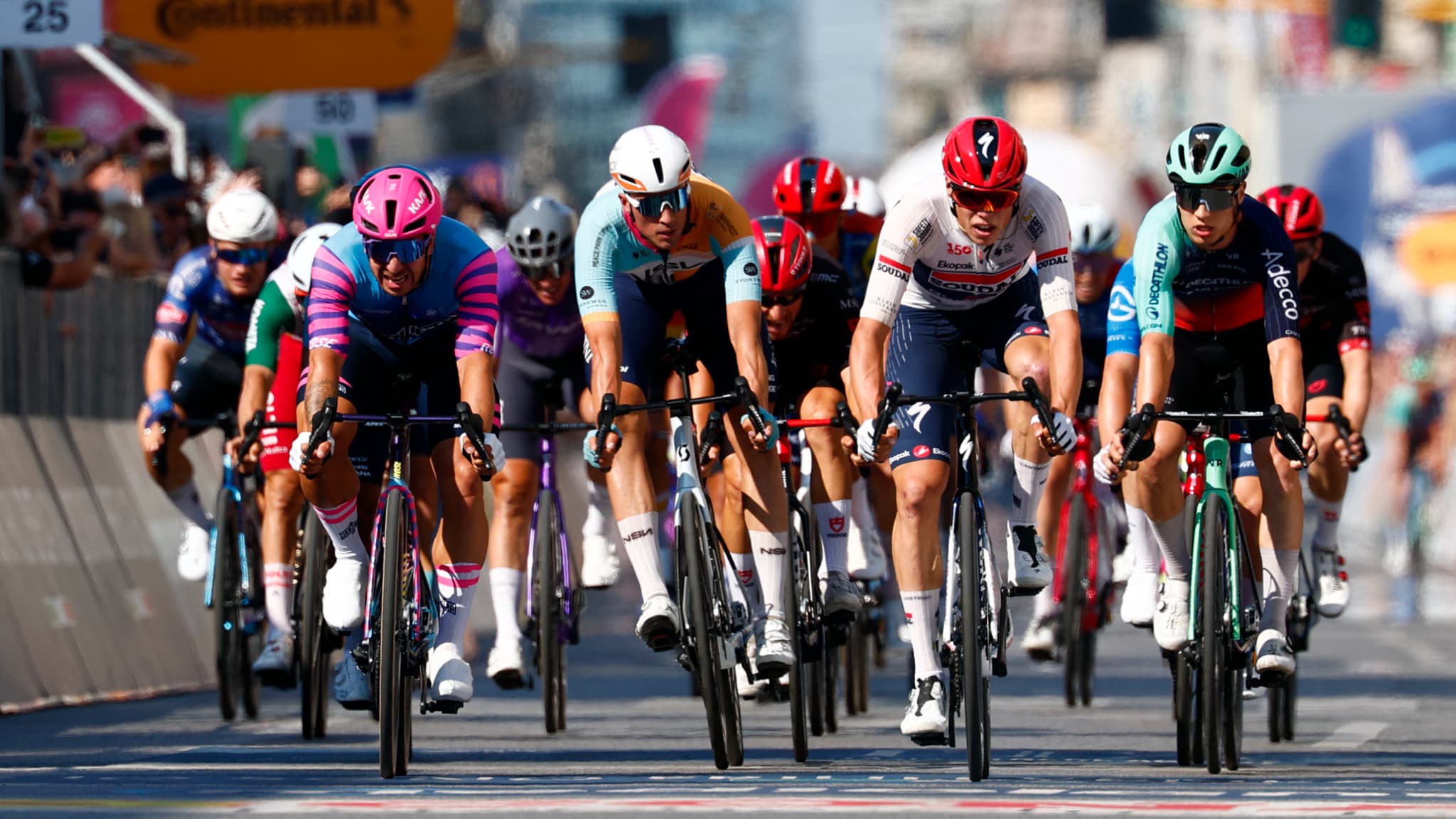
RMC Sport’s reporting emphasized the frustration of the sprinting teams, who described the stage as a “joke” due to the escape group’s unchallenged dominance. The Norwegian’s victory marked a rare triumph for a breakaway in the Giro’s latter stages, a rarity that has left many questioning the race’s balance. “C’est une blague aujourd’hui,” Torn Teutenberg concluded, a phrase that has since circulated widely among cycling fans and analysts.
What Comes Next for the Giro?
As the Giro d’Italia approaches its final stages, the controversy surrounding the 15th stage could have lasting implications for the race’s reputation. Vingegaard’s decision to freeze the general classification times has already drawn criticism, with some arguing that it prioritized spectacle over fair competition. The sprinters’ grievances, if left unaddressed, may lead to calls for stricter regulations on motorcycle positioning and race management protocols.
For Dversnes, the victory represents a career-defining moment. His win not only secures a historic first for Uno-X Mobility in the Giro but also highlights the unpredictability of professional cycling. “C’est le plus grand succès de ma carrière,” he said, reflecting on the achievement. “Le premier de l’histoire dans le Giro pour mon équipe.”
As the race moves forward, the focus will shift to the final stages, where the general classification and sprinters’ competitions will take center stage. Whether the controversies of the 15th stage will influence the outcome remains to be seen, but one thing is certain: the Giro d’Italia 2026 has already delivered one of its most dramatic chapters.
<a href="https://rmcsport.bfmtv.com/cyclisme/tour-d-italie/giro-toutes-les-equipes-de-sprinteurs-ont-crame-leur-train-complet-pour-rien-les-sprinteurs-en-colere-contre-les-motos-et-leur-influence-sur-la-course_AV-202605240323.
