
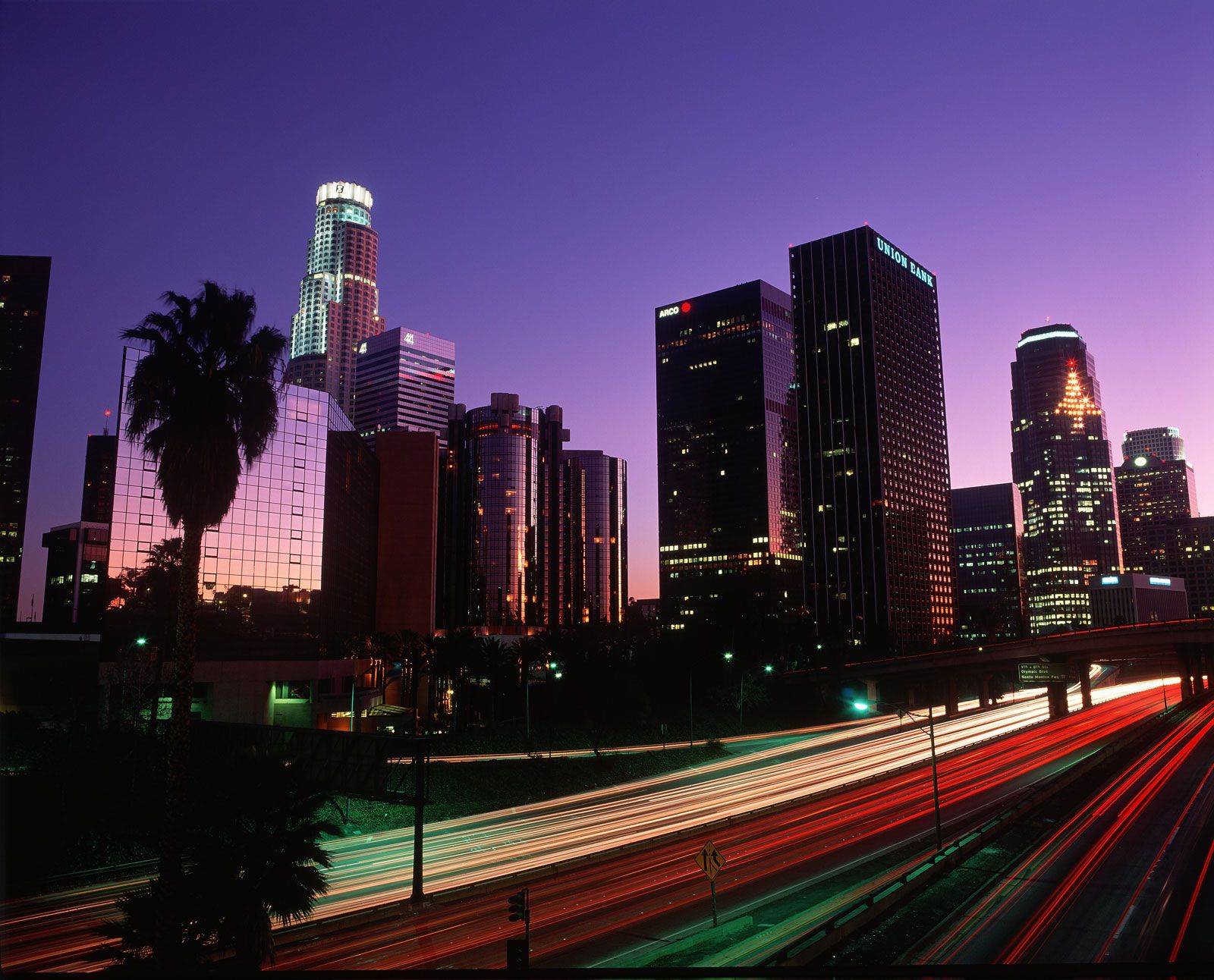
The European chemical industry is in freefall, with no clear path to recovery despite surging demand in construction, automobiles, and plastics. A new analysis from Tomas Wyns of the Vrije Universiteit Brussel (VUB) warns that even a boom in these sectors won’t reverse the sector’s decline, raising alarms about the continent’s industrial future. While Los Angeles thrives as a global hub of culture, innovation, and entertainment—from its world-class museums to its iconic theme parks—the European chemical industry’s struggles highlight a stark contrast between regions at a crossroads of economic and technological transformation.
Why Europe’s Chemical Industry Is Collapsing
The chemical industry in Europe is facing what researchers call a “descent into hell,” with no signs of stabilization. Tomas Wyns, a professor at VUB, argues that even strong demand in key sectors like construction, automotive manufacturing, and plastics production won’t be enough to save the industry. The analysis, published this month, underscores systemic challenges: high energy costs, regulatory hurdles, and global competition from Asia and the U.S. are eroding Europe’s competitive edge. The warning comes as the continent grapples with energy transitions and decarbonization goals that are reshaping industrial landscapes.

Europe’s chemical sector, once a cornerstone of its manufacturing base, is now at risk of becoming a relic of the past. The stakes are high: the industry supports millions of jobs and underpins supply chains critical to everything from pharmaceuticals to consumer goods. But without intervention, the decline could accelerate, leaving Europe dependent on imports and further weakening its industrial sovereignty.
The Los Angeles Model: How Cities Adapt to Economic Shifts
While Europe’s chemical industry struggles, cities like Los Angeles offer a case study in resilience. Despite its reputation as a laid-back “la-la land,” Los Angeles has transformed itself into a global powerhouse of culture, entertainment, and innovation. According to Britannica, the city’s ascension from a “large village” at the turn of the 20th century to a world-class metropolis reflects its ability to pivot—from agriculture and tourism to Hollywood and tech. Today, LA’s economy thrives on creativity, tourism, and entertainment, with iconic landmarks like the Hollywood Sign, Griffith Observatory, and the Getty Center drawing millions annually.
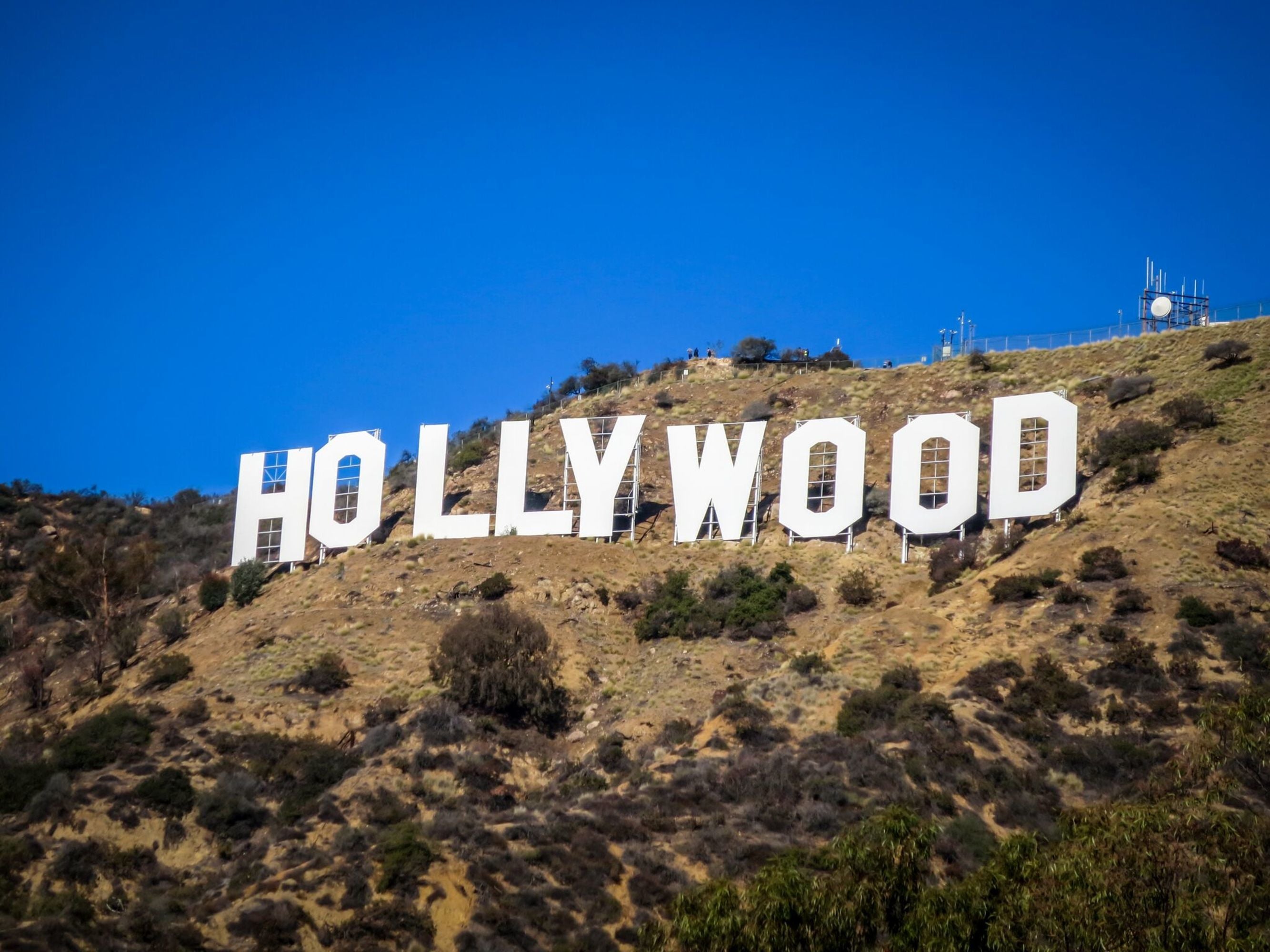
The contrast with Europe’s chemical industry is striking. Los Angeles didn’t rely on a single sector; instead, it diversified into entertainment, sports, and digital media. The city’s museums—including the Getty Center (free admission, except for parking at $20) and the Academy Museum of Motion Pictures—attract global audiences, while its theme parks (Universal Studios Hollywood, Disneyland Resort) and sports venues (SoFi Stadium, Crypto.com Arena) generate billions. This adaptability is a blueprint for regions facing industrial decline: reinvention through culture, innovation, and tourism can offset economic shocks.
Key Sectors Driving LA’s Economy vs. Europe’s Chemical Decline
Los Angeles’ economic engine runs on multiple cylinders, none more dominant than entertainment and tourism. The city’s cultural institutions—from the Broad’s free contemporary art to the California Science Center’s Space Shuttle Endeavour—draw crowds year-round. Meanwhile, its sports scene, led by the Lakers, Dodgers, and Rams, generates billions in revenue. Even its outdoor adventures, from hiking in Griffith Park to whale watching in Marina del Rey, reinforce its global appeal.
- Entertainment & Tourism: Hollywood studios, theme parks, and museums drive $30B+ annually.
- Sports: SoFi Stadium, Crypto.com Arena, and Dodger Stadium host events that draw global audiences.
- Outdoor & Recreation: 75 miles of coastline, hiking trails, and beaches sustain tourism year-round.
- Tech & Innovation: While not as dominant as Silicon Valley, LA’s media and creative industries fuel startup ecosystems.
Europe’s chemical industry, by contrast, faces a different reality. High energy costs—exacerbated by the shift to renewables—have made production prohibitively expensive. Regulatory pressures, including stricter environmental standards, add another layer of complexity. Meanwhile, competitors in the U.S. and Asia benefit from lower costs and government incentives. The result? A sector in retreat, with plants closing and jobs disappearing.
What Comes Next? Policy, Innovation, or Collapse?
The question now is whether Europe can avoid a full collapse. Wyns’ analysis suggests that without bold policy changes—such as energy subsidies, tax incentives, or streamlined regulations—the industry’s decline is inevitable. But history offers lessons. Los Angeles’ reinvention proves that economic resilience depends on adaptability. For Europe, the challenge is twofold: can it modernize its chemical industry while also diversifying into new sectors, much like LA did with entertainment and tech?

One potential path forward lies in green chemistry—a growing field focused on sustainable production methods. If Europe can position itself as a leader in eco-friendly chemicals, it might regain a competitive edge. But time is running out. The chemical industry’s struggles are a warning: without action, Europe risks losing not just jobs, but its industrial identity entirely.
The Bigger Picture: Global Competition and Industrial Futures
The decline of Europe’s chemical industry is part of a broader trend: the shifting geography of global manufacturing. While Europe once dominated, Asia and the U.S. have taken the lead in cost-effective production. Los Angeles’ success story—built on creativity, not heavy industry—shows that cities can thrive by leveraging what they do best. For Europe, the lesson is clear: specialization in high-value sectors, coupled with innovation, may be the only way to survive.
Yet the stakes are higher than ever. The chemical industry isn’t just about plastics and fertilizers; it’s the backbone of modern life. A collapse would ripple across economies, from healthcare to agriculture. The question is whether Europe will act in time—or if its chemical industry will become another cautionary tale of industrial decline.
One thing is certain: the world is watching. As Los Angeles proves, reinvention is possible—but only for those willing to embrace change.
