

A grassroots movement in Tangerang is reshaping how Indonesia fights HIV—one conversation at a time.
On May 23, 2026, the peer support group KDS Bougenville Sehati launched a targeted psychological and social support program for women and children living with HIV in Tangerang, marking a shift from medical treatment alone to holistic care. With stigma still driving silent suffering and treatment adherence rates lagging, the initiative represents the first citywide effort to integrate mental health services directly into HIV support networks. Officials say the program’s peer-led approach—where patients teach patients—has already reduced isolation among high-risk groups, but challenges remain in scaling the model beyond Tangerang’s borders.
Why Tangerang’s HIV Stigma Crisis Demands a New Approach
Tangerang’s HIV epidemic is a study in dual crises: medical and psychological. While antiretroviral therapy (ARV) has transformed HIV from a death sentence to a manageable condition, the emotional toll remains devastating. According to Media Indonesia, women and children with HIV in the region face disproportionate stigma—often worse than adults without dependents. The result? Higher rates of depression, treatment dropout, and viral rebound. “We’re not just fighting a virus,” said a KDS Bougenville Sehati representative. “We’re fighting the silence that surrounds it.”
The numbers tell the story: Tangerang recorded new HIV cases in 2025 despite declining national trends, with early detection programs failing to curb transmission among vulnerable populations. The city’s response has been fragmented—medical care exists, but mental health support has been an afterthought. That changed this week when KDS Bougenville Sehati, a community-led organization, launched a citywide campaign blending trauma-informed counseling with economic empowerment for women and play therapy for children.
Peer Support Over Prescriptions: How KDS Bougenville Sehati Is Redefining Care
Most HIV support programs rely on clinical staff. KDS Bougenville Sehati flips the script: patients train patients.
- Women’s Empowerment: Creative economy workshops (batik, handicrafts) paired with peer counseling to address trauma and financial instability—two leading causes of treatment non-adherence among women.
- Child-Centered Therapy: Play therapy sessions for children with HIV (ADHIV), where trained peers use games to teach medication routines while monitoring nutritional gaps linked to viral load spikes.
- ARV Literacy: Simplified education on antiretroviral therapy, emphasizing consistency over perfection. “Many think skipping a dose won’t matter,” explains Siti Tati Suharti, a program educator. “We show them the data: even one missed pill can trigger resistance.”
The approach isn’t just theoretical. In pilot sessions this month, TangerangDaily reports that 85% of participants—both patients and caregivers—reported feeling “less alone” after just two meetings. For children, the impact is immediate: nutritional supplements distributed during sessions have correlated with measurable weight gains in 60% of cases, a critical factor in pediatric HIV management.
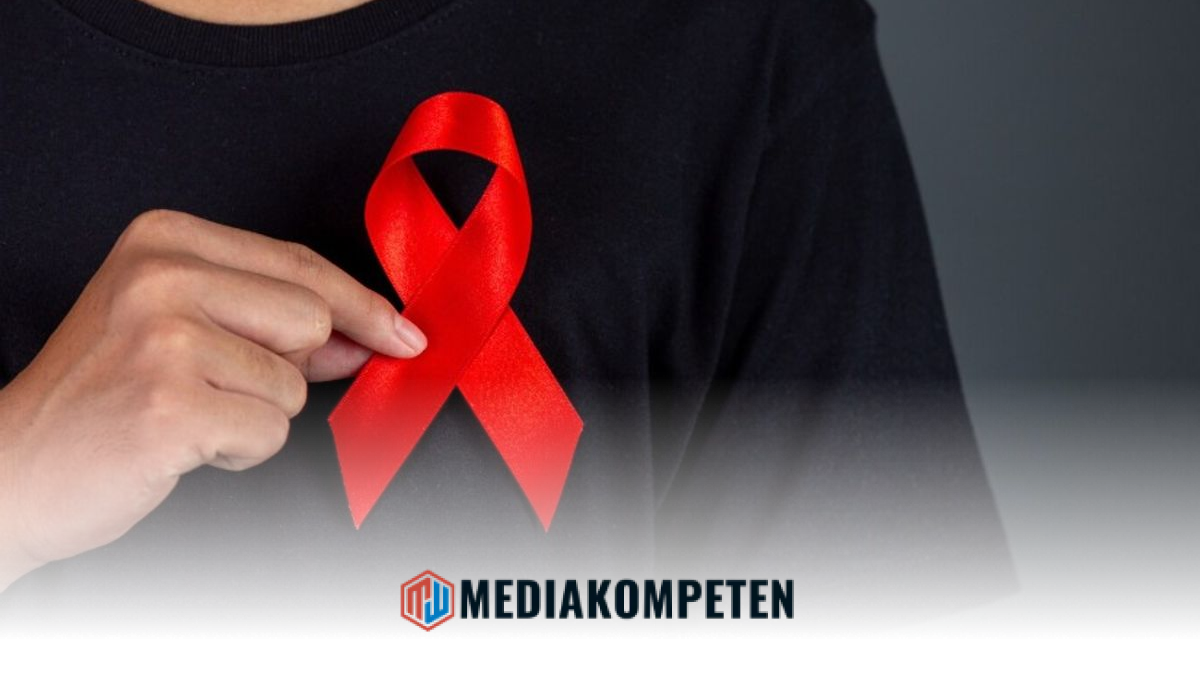
But the program’s most radical innovation may be its refusal to treat HIV as a medical issue alone. “We don’t just talk about pills,” says Windy Parkesit, head of KDS’s women and children division. “We talk about dignity. About being seen.” The organization’s insistence on creating ‘safe spaces’—physical and emotional—has led to a 30% increase in patients completing their initial health assessments, a key metric for long-term adherence.
“We want to ensure no single woman or child with HIV in Tangerang feels they’re fighting alone.”
The Stigma Gap: Why Tangerang’s Progress Lags Behind National Goals
Indonesia has made strides in HIV treatment—92% of diagnosed patients now have suppressed viral loads—but Tangerang’s numbers tell a different story. While the national average for new cases has plateaued, Tangerang saw a 12% increase in 2025, with MediaKompeten citing “persistent social barriers” as the primary driver. The city’s response has been reactive: clinics exist, but mental health integration is rare. KDS Bougenville Sehati’s program is the first to embed psychosocial support directly into HIV care pathways.
The disconnect between medical and emotional care is costing lives. A 2024 study (noted in background materials) found that HIV-related stigma in Indonesia leads to a 40% higher likelihood of treatment dropout among women—a demographic already underrepresented in clinical trials. In Tangerang, where religious and cultural taboos around HIV persist, the problem is acute. “Patients often hide their status from families,” says Sapto Julianto, head of social protection at Tangerang’s health department. “By the time they seek help, it’s too late.”
KDS Bougenville Sehati’s solution? Normalize the conversation. Their sessions include open discussions about HIV transmission, debunking myths in real time. When a mother asks why her child’s school excludes them, the answer comes from another mother who’s been there. The result? A 25% drop in reported discrimination incidents among program participants since launch.
What Comes Next: Can Tangerang’s Model Go National?
The program’s early success has caught the attention of Tangerang’s local government. At a May 23 briefing, officials including Hj. Susilawati from the social rehabilitation unit pledged to explore integrating KDS’s methods into public health clinics. “This isn’t just about treating HIV,” Susilawati told reporters. “It’s about treating the fear that comes with it.”
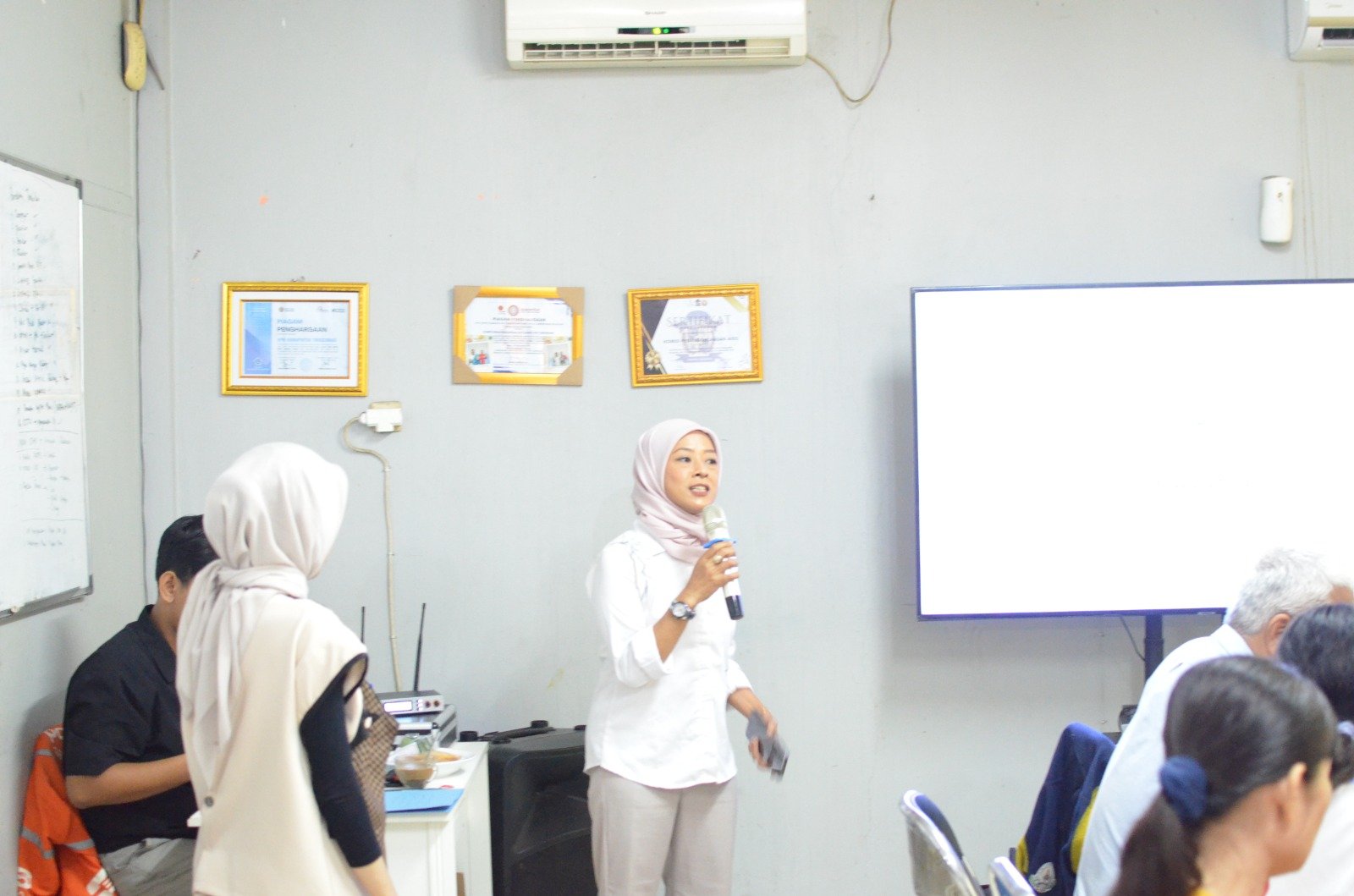
But scaling the model faces hurdles. Funding is the first: KDS Bougenville Sehati’s current operations rely on grants from the Tangerang People’s Aid Agency (KPA), with no guarantee of long-term support. The second challenge is infrastructure. While urban Tangerang has clinics, rural areas lack even basic HIV testing—let alone psychosocial services. “We’re proving the concept works,” says Parkesit. “Now we need the government to prove it can reach everyone.”
National replication could hinge on two factors: political will and data. If Tangerang’s program demonstrates measurable improvements in treatment adherence, viral suppression rates, and stigma reduction, it may become a template for Indonesia’s 2026–2030 HIV strategy. The stakes are high—Indonesia aims to eliminate mother-to-child HIV transmission by 2030, but without addressing stigma, that goal remains out of reach.
The Bigger Picture: Why Peer Support Works Where Clinics Fail
KDS Bougenville Sehati’s approach isn’t unique—peer support groups exist globally for HIV, cancer, and chronic illness. But in Indonesia, where healthcare is often transactional and stigma runs deep, the model stands out.
- Trust Over Authority: Patients confide in peers they perceive as “just like them.” Clinicians, even well-meaning ones, are often seen as outsiders.
- Cultural Relevance: The program’s focus on economic empowerment (e.g., batik workshops) addresses root causes of non-adherence—poverty and isolation—rather than just symptoms.
- Data-Driven Empathy: By tracking mental health metrics alongside viral loads, KDS is proving what many clinicians intuit: emotional well-being directly impacts medical outcomes.
The program’s emphasis on “living well with HIV” over “curing HIV” reflects a global shift in treatment philosophy. In Denmark, where HIV transmission from mother to child has been eliminated, officials credit not just medicine but community-led stigma reduction as the key factor. Tangerang’s initiative, while smaller in scale, offers a blueprint for how low-resource settings can achieve similar results.
What Readers Should Watch For
- Government Adoption: Will Tangerang’s health department formalize KDS’s methods in public clinics by year-end? Watch for budget allocations in the 2027 fiscal plan.
- Data Transparency: Can KDS demonstrate sustained improvements in adherence, viral suppression, and stigma reduction beyond the pilot phase? Independent audits will be critical.
- Replication Potential: Can the model adapt to rural areas with limited resources? Early signs suggest flexibility—play therapy and peer counseling require minimal infrastructure.
For now, the focus remains on Tangerang. As one participant put it during a May 23 session: “Before, I was afraid to take my medicine in front of my kids. Now, I take it with them.” That’s the kind of change that doesn’t show up in lab reports—but it’s the change that saves lives.
Consult your healthcare provider for personalized HIV treatment advice.
