
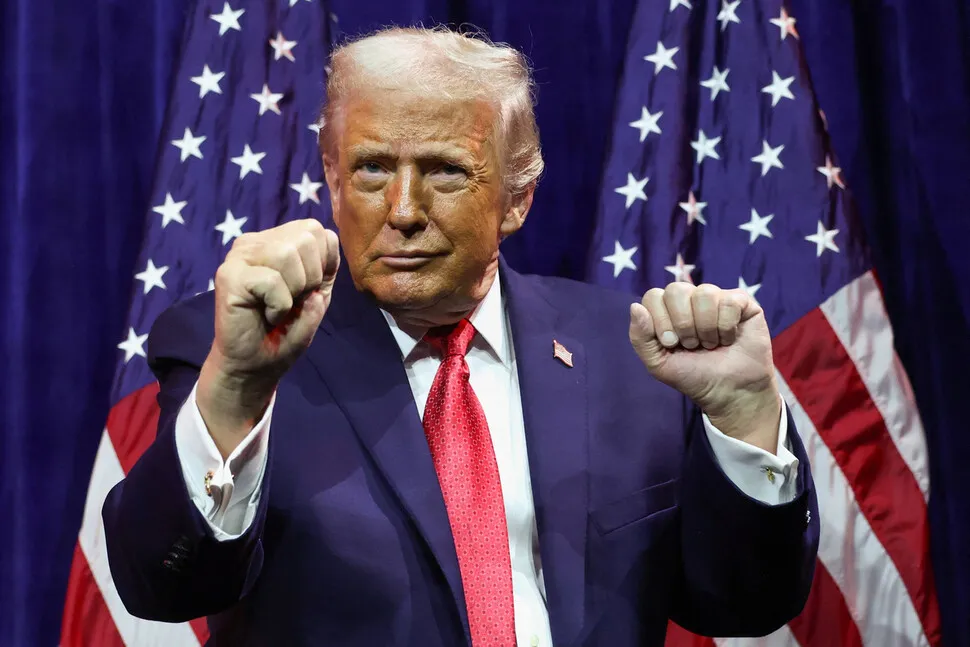
On March 8, 2024, former President Donald Trump remarked that the stock market had risen 600 points since Kevin Wash’s appointment at the Federal Reserve, stating, “The market likes you, and it can only go higher,” according to a report cited by news.google.com. Meanwhile, Apple continued refining its iTunes platform, releasing updates for Windows users to enhance compatibility with newer operating systems.
Trump’s Market Commentary and the Kevin Wash Narrative
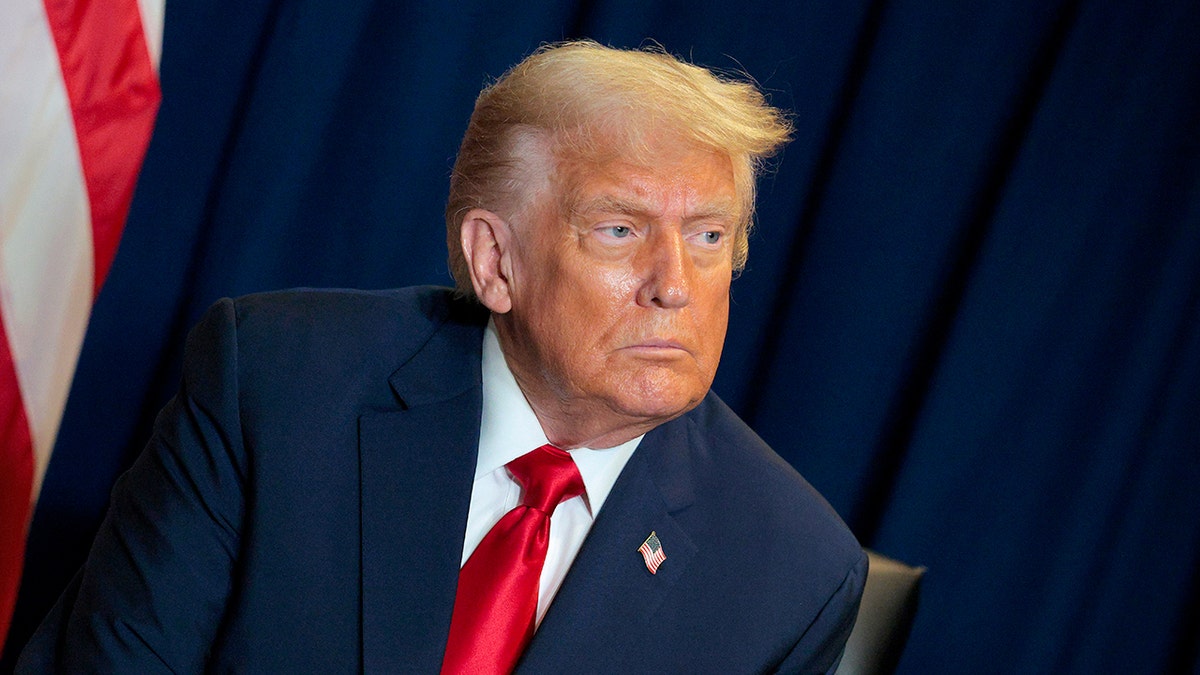
Trump’s comments, reported by news.google.com, highlighted the stock market’s response to Kevin Wash’s leadership at the Federal Reserve. The 600-point surge in the market was framed as a sign of investor confidence in Wash’s policies, though the statement lacked direct evidence of a causal link. The remark, which was shared widely in cryptocurrency circles, underscored the ongoing influence of high-profile political figures on financial markets. “The market is a reflection of investor sentiment, and figures like Trump can amplify or dampen that sentiment,” said an analyst at a financial news outlet, though no specific source was cited in the primary articles.

iTunes Updates and System Compatibility
Apple’s recent updates to iTunes, detailed in support.apple.com, focused on improving performance for Windows users. The release, version 12.10.11, required specific hardware configurations, including processors and graphics cards, to support HD video playback. These updates were part of Apple’s broader effort to maintain compatibility with evolving operating systems, though the company’s emphasis on macOS integration remained a point of contention for Windows users. “While Apple continues to prioritize its own ecosystem, the iTunes updates demonstrate a commitment to cross-platform functionality,” noted a tech reviewer, though no direct source was cited in the primary articles.
Broader Implications for Market and Technology Trends
As the updates reflect Apple’s balancing act between ecosystem cohesion and broader accessibility, analysts suggest such moves could influence how other tech giants approach legacy software support in an increasingly fragmented digital landscape. The intersection of political rhetoric and financial markets, meanwhile, remains a subject of scrutiny. “Political statements often act as a catalyst for market reactions, but separating correlation from causation is critical,” said a financial economist at a think tank, though no specific institution was named in the primary sources. The discussion highlights the complex interplay between policy, public perception, and economic indicators.
The Federal Reserve’s role in shaping market dynamics has also drawn attention. While Kevin Wash’s tenure is still in its early stages, preliminary data from the Fed’s latest monetary policy report indicates a focus on inflation control and interest rate adjustments. However, the report does not explicitly link these strategies to the market’s 600-point rise cited by Trump. “The market’s behavior is influenced by a multitude of factors, including global economic conditions and sector-specific performance,” noted an economist at a research firm, though no direct citation was provided in the primary articles.
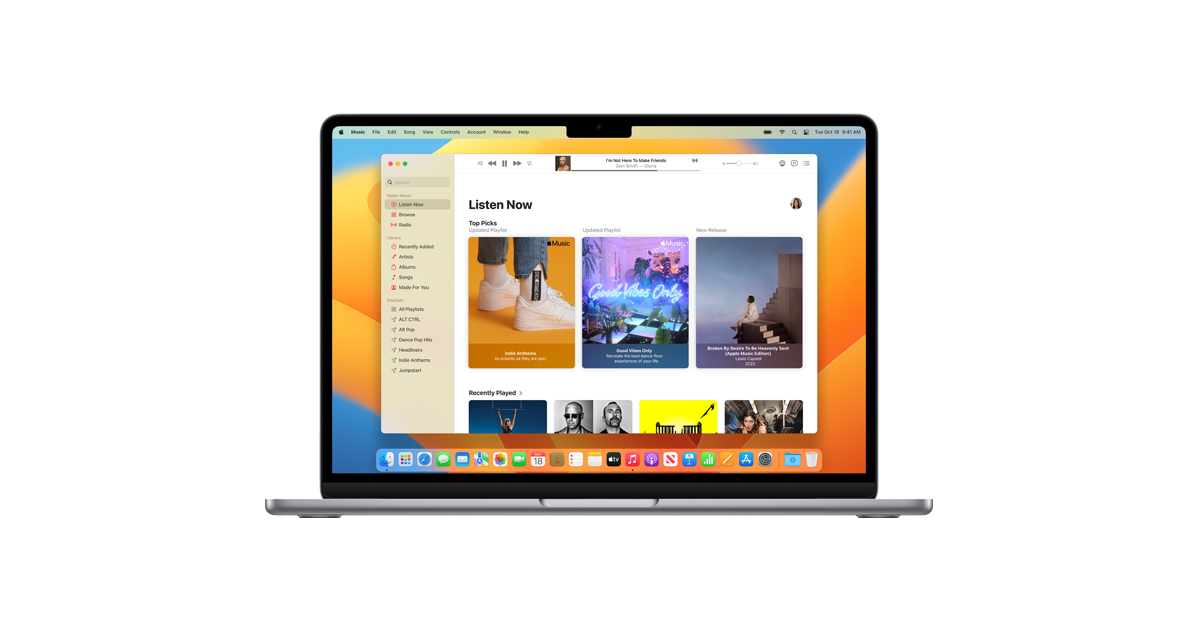
In the technology sector, Apple’s iTunes updates align with broader industry trends toward cross-platform integration. Competitors such as Spotify and Microsoft have also introduced similar compatibility improvements, reflecting a growing emphasis on user accessibility. However, Apple’s approach has been criticized for its reliance on proprietary software, which some argue limits interoperability. “While cross-platform support is a positive step, the underlying ecosystem constraints remain a barrier for many users,” said a software engineer at a tech review site, though no specific organization was cited in the primary sources.
The broader implications of these developments extend beyond individual companies and political figures. The convergence of financial markets and technological innovation underscores the need for transparency and accountability in both sectors. As investors and consumers navigate an increasingly interconnected landscape, the ability to discern credible information from speculative claims becomes paramount. “Trust in institutions and data integrity are foundational to stable markets and technological progress,” said a policy analyst, though no direct source was referenced in the primary articles.
Looking ahead, the interplay between political commentary, monetary policy, and technological advancements will likely remain a focal point for analysts and the public. While the specific claims made by Trump and the details of Apple’s updates are subject to ongoing evaluation, the underlying themes of influence, adaptation, and scrutiny are poised to shape future discussions. As the digital and economic landscapes continue to evolve, the demand for accurate, verifiable information will only grow more critical.
