
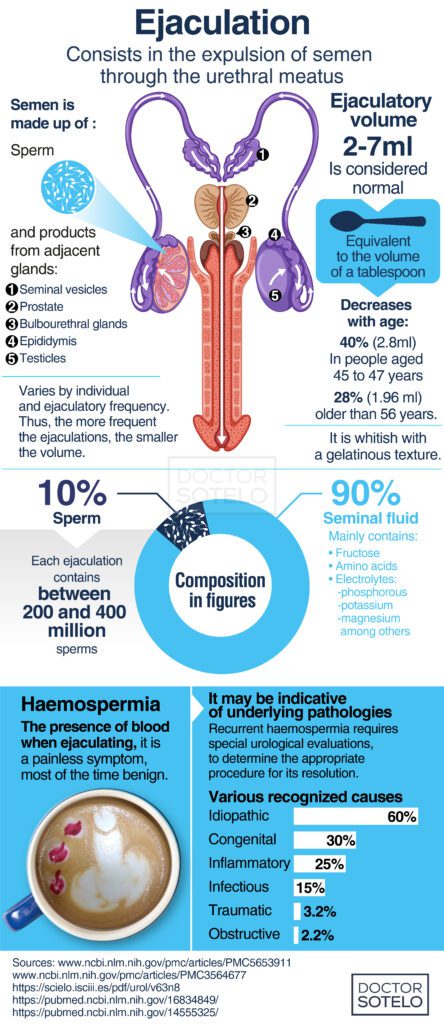
As men age beyond 70, changes in sexual function—including ejaculation—are a normal part of the aging process, according to health experts.
What was once considered a decline in virility is now understood as a natural shift in how the body responds over time. Many men continue to experience sexual pleasure and intimacy well into their later years, even if the frequency, timing, or intensity of ejaculation changes.
These changes are linked to physiological shifts that occur with aging, such as reduced testosterone levels, decreased blood flow to genital tissues, and lower nerve sensitivity. Whereas these factors can affect sexual performance, they do not necessarily mean the end of a fulfilling sex life.
Health professionals emphasize that occasional changes in ejaculation—such as taking longer to reach climax or experiencing a smaller volume of semen—are typically not cause for concern. However, sudden or painful changes, or the complete absence of ejaculation when expected, may warrant a conversation with a healthcare provider to rule out underlying conditions.
Experts note that maintaining open communication with partners, staying physically active, managing chronic health conditions, and discussing medication side effects with a doctor can all support sexual wellness in older age.
The evolving understanding of male sexual health after 70 reflects a broader shift in medicine toward recognizing that sexuality remains an important aspect of overall well-being throughout life.
