
Europe Faces Growing Dependence on US, Analysts Warn of “Emprisme”
Europe has increasingly become strategically subordinate to the United States, a dynamic described by some analysts as a form of accepted coercion, with implications for the continent’s future autonomy.
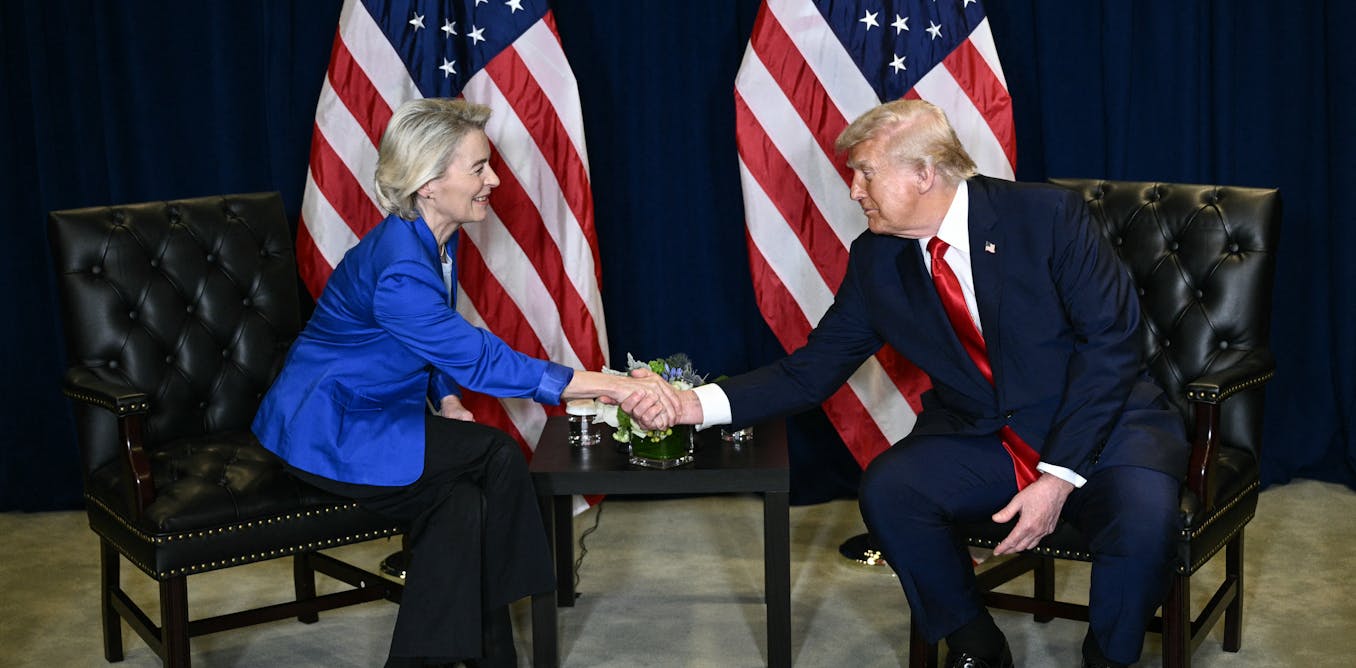
The shift, which accelerated under the presidency of Donald Trump, moves beyond traditional alliance dynamics toward what’s being termed “emprisme” – a situation where European nations, believing themselves partners, become dependent on a dominant power without fully recognizing it. This dependence manifests in areas like trade and defense, with recent agreements like the July 2025 Turnberry agreement imposing a 15% tariff on EU products without reciprocal benefits. The agreement, negotiated at Trump’s private estate in Scotland, symbolizes a personalization and brutalization of international relations.
A key example of this dynamic is the war in Ukraine, where the US temporarily suspended Ukrainian access to US intelligence, impacting European forces also reliant on that data. Simultaneously, the US ceased direct weapons deliveries to Ukraine, compelling European nations to purchase American-made arms and deliver them to Kyiv – a move critics describe as “forced delegation.” This has led to increased European arms purchases from the US, further solidifying the economic dependence. For context, the North Atlantic Treaty Organization (NATO) plays a crucial role in transatlantic security according to its official website.
Analysts suggest this isn’t a matter of traditional imperialism, like that employed by Russia, but rather a subtler form of domination through economic pressure and political leverage. This dynamic is reinforced by a denial within Europe that such subordination is occurring, with leaders often framing concessions as necessary compromises. The European Council on Foreign Relations has published extensive analysis on the changing transatlantic relationship available here.
European officials have indicated they are continuing to assess the long-term implications of these developments and seeking ways to strengthen the continent’s strategic independence.
