
The U.S. Federal Aviation Administration issued a stark warning to pilots Tuesday, advising extreme caution when flying over Venezuela amid escalating tensions and increased military activity in the region. The advisory, which requires 72-hour advance notification for flights over Venezuelan airspace, comes as the trump administration weighs its options regarding the Maduro regime-options that reportedly include both intensified covert operations and overt displays of force [[1]]. This latest progress adds another layer of complexity to an already volatile situation in a country holding the world’s largest proven oil reserves [[2]], and one grappling with prolonged political and economic collapse [[3]].
The U.S. Federal Aviation Administration has issued a warning to pilots flying over Venezuela, citing a “potential safety risk” as tensions rise in the region. The advisory comes amid growing uncertainty surrounding the Trump administration’s next steps toward Venezuela, following a significant naval deployment and reports of covert action authorizations.
While stopping short of a complete flight ban, the FAA is urging airlines to “exercise extreme caution” due to a “deteriorating security situation and increased military activity within or surrounding Venezuela.” According to the agency, potential threats could endanger aircraft at all altitudes, including during takeoff and landing, as well as impacting airports and grounded planes.
The warning, effective through February 19, requires airlines to notify the FAA 72 hours in advance of any flights planned over Venezuelan airspace, providing specific details of their routes.
U.S. airlines haven’t operated direct flights to Venezuela since 2019, but some continued to use the country’s airspace when traveling to other destinations in South America. American Airlines confirmed it stopped flying over Venezuela last month, while Delta Airlines stated it has avoided the airspace “for some time.” United Airlines has not yet commented on the matter.
The FAA reports a noticeable increase in interference with the Global Navigation Satellite System (GNSS) in Venezuela since September. This system is crucial for aircraft navigation, and the agency warns that such interference can have lasting effects on a flight. The FAA also cited “activity associated with increasing military preparations in Venezuela,” including multiple military exercises and the mobilization of thousands of soldiers and reservists, as contributing to the risk.
The FAA’s announcement adds to existing anxieties in the region, where U.S. forces are conducting a campaign described as a counter-narcotics operation. This campaign has resulted in the sinking of at least twenty vessels suspected of drug trafficking in Caribbean and eastern Pacific waters. These extrajudicial military actions, which many experts, lawmakers, and human rights advocates deem illegal, have resulted in over eighty deaths. The move underscores the escalating tensions between the two nations.
In Colombia, the national civil aviation authority stated it is adjusting routes and procedures to ensure flight safety. Airlines are being instructed to notify authorities with at least 72 hours’ notice of any information that could affect planned flights and to immediately report any incidents or risks experienced in the area covered by the FAA warning.
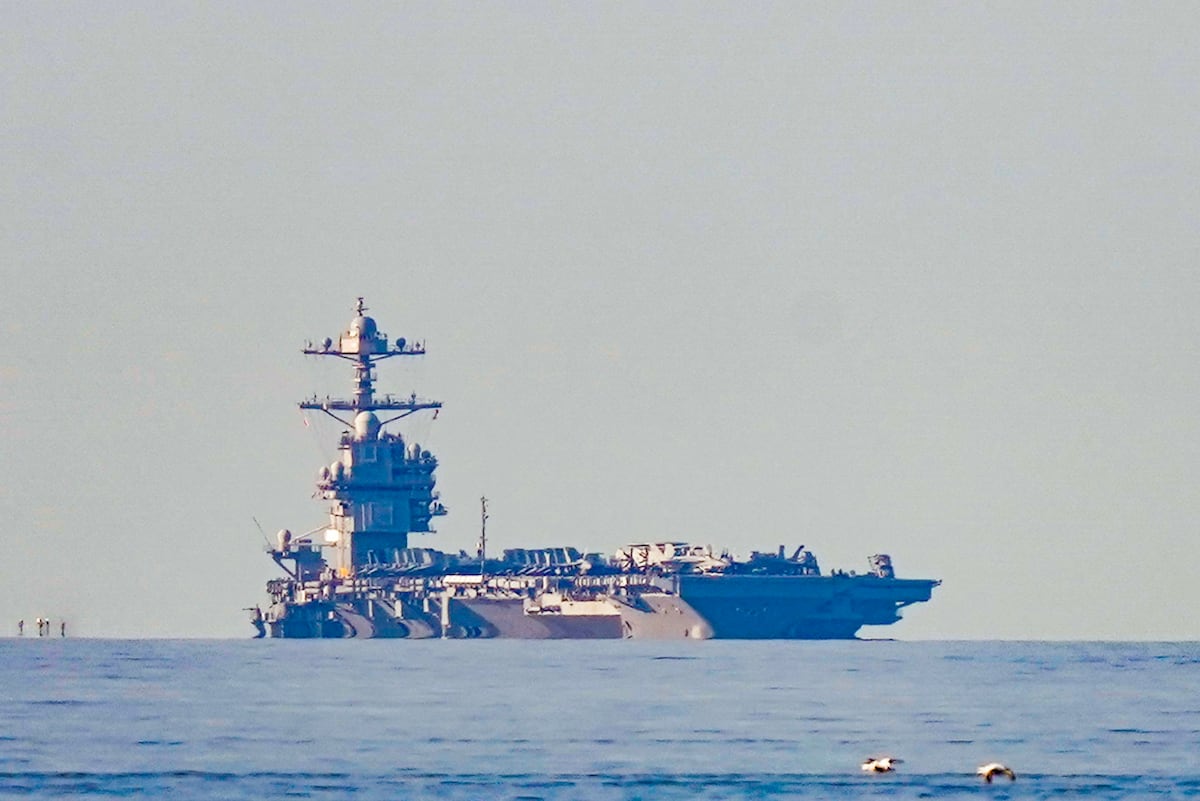
Washington maintains its Operation Southern Lance is focused on combating drug trafficking, but others, including Venezuelan President Nicolás Maduro, suspect it’s a broader effort to force Maduro from power, potentially through psychological pressure or direct intervention. The arrival of the Gerald Ford, the world’s largest and most advanced aircraft carrier, last week has fueled speculation that President Trump, who has already authorized covert CIA missions within Venezuela, might order further action in the country.
The State Department added several drug cartels – including the Venezuelan Tren de Aragua – to its list of international terrorist organizations in February. Washington justifies its campaign against suspected narco-vessels by claiming it is at war with these groups and their members are enemy combatants. Last week, the cartel of the Soles was also added to the list, with accusations that Maduro leads the organization as a key figure in Venezuelan drug trafficking. The inclusion will take effect Monday.
