
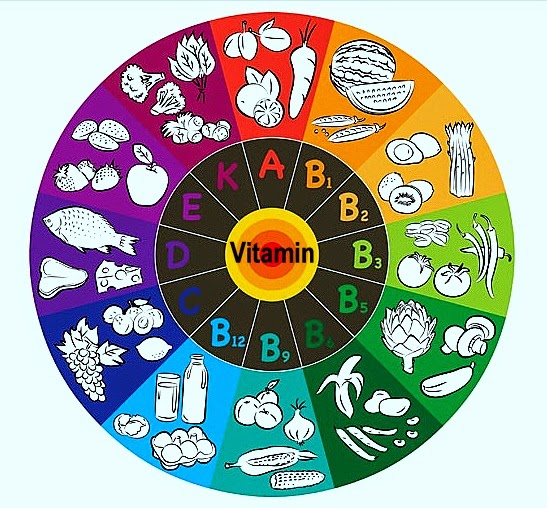
A preclinical study published in Science Translational Medicine found that niacin (vitamin B3), when combined with chemotherapy, helped immune cells attack glioblastoma—a highly aggressive and fatal brain tumor—in mice, doubling survival rates from 40 to 150 days. Researchers at the University of Calgary’s Cumming School of Medicine (CSM) identified niacin’s ability to reactivate immune cells suppressed by the tumor, though human trials remain pending.
Mechanism of Niacin’s Immune System Reactivation in Glioblastoma Treatment
Glioblastoma, the most invasive form of brain cancer, typically kills patients within 14 to 16 months even after surgery, radiation, and chemotherapy. The tumor’s deadliness stems from its ability to hijack the immune system, reprogramming immune cells to protect it rather than attack it. The CSM study, led by tumor immunology professor Wee Yong and first author Susobhan Sarkar, tested niacin—a nutrient already known for its role in metabolism—as a potential immune system “reset” tool.
In lab tests, niacin alone extended survival in mice with glioblastoma, but when paired with the chemotherapy drug temozolomide, it produced dramatic results: tumor growth slowed, immune cells regained their ability to target cancer stem cells, and median survival more than doubled. The team screened 1,040 compounds before identifying niacin’s dual effect: it activated myeloid cells and blocked signaling pathways that fuel glioblastoma stem cell growth.
"This isn’t a cure yet, but it’s a promising step forward for a disease with almost no effective treatments," Yong told reporters. "We’re not targeting the tumor directly—we’re helping the immune system do its job."
Distinct Advantages of Niacin Over Traditional Glioblastoma Therapies
The findings contrast with past glioblastoma research, which has largely focused on direct tumor-killing therapies. Most experimental approaches fail because tumors adapt or evade treatment. By reprogramming the immune environment, niacin offers a novel strategy—one that could complement existing therapies.
- Target: Previous studies often aimed at tumor cells themselves; this research focuses on immune system reactivation.
- Mechanism: Niacin doesn’t just kill cancer cells—it disrupts the tumor’s immune shield, a critical bottleneck in glioblastoma treatment.
- Safety profile: Niacin is an FDA-approved supplement with decades of safe use, reducing regulatory hurdles for human trials.
However, the study’s limitations are clear. It was conducted in mice, and niacin’s effectiveness in humans remains unproven. "We’re not advising anyone to take vitamin B3 supplements as a cancer treatment," Yong emphasized. "Dosage, timing, and combination with chemotherapy must be carefully tested in clinical trials before we can consider this a viable option."
The Canadian Institutes of Health Research (CIHR) funded the study, but further approval from Health Canada and ethics boards is required before human testing can begin. Sarkar noted that optimal dosing and treatment schedules—critical for safety and efficacy—have yet to be determined.
Potential Synergy with Emerging Glioblastoma Immunotherapies
Glioblastoma’s resistance to treatment has made it a priority for cancer research, but progress has been slow. The niacin study offers a glimmer of hope by demonstrating that nutritional compounds could play a role in immunotherapy—a field that has seen breakthroughs in other cancers but remains nascent for brain tumors.
- Immunotherapy synergy: Niacin’s ability to “awaken” dormant immune cells could pair with emerging glioblastoma immunotherapies, such as checkpoint inhibitors.
- Cost-effective adjunct: If proven safe and effective, niacin could provide a low-cost, widely available addition to standard glioblastoma treatment.
- New research avenues: The study suggests that metabolic pathways—long overlooked in oncology—may hold keys to treating aggressive cancers.
Yet, caution is warranted. Glioblastoma is notoriously difficult to treat, and preclinical successes often fail in human trials. "We’re at the very beginning," Sarkar said. "But for the first time, we’re seeing a path to disrupt the tumor’s hold on the immune system."
For now, patients should not self-medicate with niacin supplements. The study’s authors stress that only clinical trials can determine safety, efficacy, and optimal use in humans.
Critical Next Steps Before Human Trials Can Proceed
Consult your healthcare provider before making any changes to your treatment regimen. For updates on glioblastoma research, follow developments from the Cumming School of Medicine and the Canadian Institutes of Health Research (CIHR).
Find more reporting in our Health section.
