
UW-Madison Considers New College of Computing & Data Sciences, Reaffirms Ethnic Studies Requirement
The University of Wisconsin-Madison Faculty Senate yesterday addressed proposals for a new college focused on computing and data sciences, and confirmed the continuation of its ethnic studies requirement amid systemwide reforms.
Interim Provost John Zumbrunnen presented plans to establish a standalone college for Computer, Data and Information Sciences (CDIS) degrees, currently housed within the College of Letters & Sciences. The initiative aims to respond to the increasing importance of data science and artificial intelligence across academic disciplines. “The goal here is not to create a new silo on campus,” Zumbrunnen said, “but instead create a hub of scholarly expertise…that can serve as a convener and connector for enriched collaborations across campus.” Funding for the new college is expected to rely on philanthropic and corporate support, building on the privately funded Morgridge Hall, the current home of CDIS. This move reflects a national trend of universities bolstering their STEM programs to meet workforce demands.
Simultaneously, the Senate discussed proposed systemwide changes to general education requirements across the 13 University of Wisconsin campuses. Concerns arose that the reforms might eliminate a dedicated ethnic or cultural studies course. However, a UW-Madison spokesperson confirmed Wednesday that the university intends to maintain its existing ethnic studies requirement, integrating it into one of six new categories being developed by the UW System. The ethnic studies requirement was first adopted in 1989 following student advocacy and the Holley Report, a landmark study on diversity at the university. You can learn more about the history of diversity initiatives at UW-Madison.
Faculty senators also voiced concerns regarding the university’s autonomy under the new UW System plan, particularly in light of potential cuts to diversity, equity, and inclusion initiatives and federal proposals linking funding to curricular control. Chancellor Jennifer Mnookin assured the Senate that she would defend shared governance in any changes, stating, “Any higher ed compact must include a commitment to shared governance.” The timeline for a final decision on the new college remains unannounced, and administrators will continue to discuss the implementation of systemwide reforms.
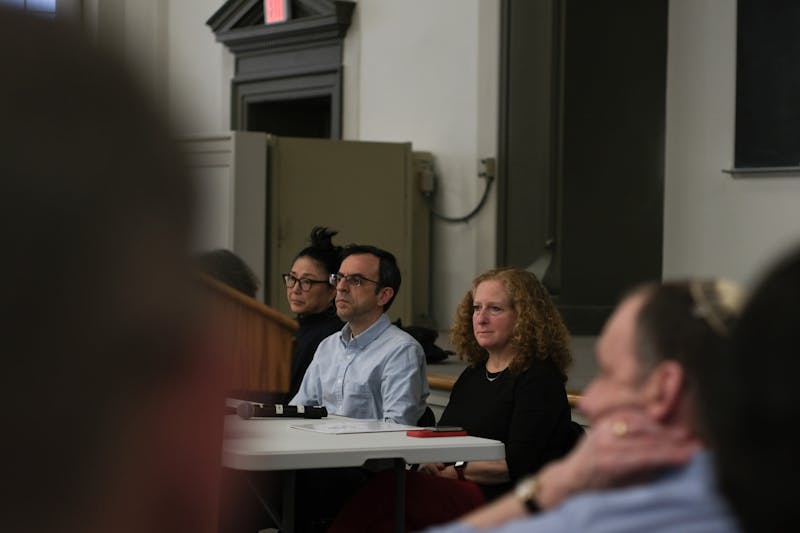
A University of Wisconsin-Madison Faculty Senate meeting Monday centered on two hot-button issues on campus: a proposal for a new college of computing and data sciences and systemwide reforms on the university’s general education requirements, including rumored threats to the ethnic studies requirement.
New college in computing and data sciences
Interim Provost for Academic Affairs John Zumbrunnen outlined ideas to create a new college for the Computer, Data and Information Sciences (CDIS) degrees currently under Letters & Sciences. The new college would make CDIS — created in 2019 as an administrative unit — a permanent, standalone division.
Zumbrunnen called the initiative a response to the “AI moment” reshaping scholarship and student demand.
“The goal here is not to create a new silo on campus,” Zumbrunnen said, “but instead create a hub of scholarly expertise in computing, data and information sciences that can, yes, educate students in those spaces but also to serve as a convener and connector for enriched collaborations across campus.”
Zumbrunnen and Chancellor Jennifer Mnookin pointed to the growing presence of big data in medicine and public health, the role of artificial intelligence in engineering and human-centered design and the ethical and political questions explored in philosophy, as examples of cross-campus connections.
Senators at the meeting also raised concerns about staffing and resources for the new school. Zumbrunnen acknowledged state-imposed hiring caps and budget pressures, saying the university would rely on philanthropic and corporate support. “We want this to be additive and not take away from other parts of our university,” he said.
Morgridge Hall, the university’s new home for CDIS, was funded entirely by private donors.
The timeline for a final decision on creating this new school has not yet been announced.
System reforms not to threaten ethnic studies
The Faculty Senate also discussed UW System administrators’ proposal to standardize general education requirements across the system’s 13 universities. The plan, tied to reforms approved in Wisconsin’s 2025-2027 budget, could have eliminated a dedicated ethnic or cultural studies course requirement.
The proposal sparked strong pushback from Madison students and faculty, who argued it would erase decades of progress in diversity and inclusion. A UW-Madison spokesperson confirmed Wednesday the requirement will not be removed.
Enjoy what you’re reading? Get content from The Daily Cardinal delivered to your inbox
UW-Madison first adopted the ethnic studies requirement in 1989 after student advocacy and the release of the Holley Report, which also led to the creation of the Multicultural Student Center.
Zumbrunnen told the Senate the campus intends to maintain its ethnic studies requirement, slotting it into one of the six new categories the UW System is developing.
“Barring some unforeseen change … we’ll continue to have the ethnic studies requirement, and students who start at UW-Madison will be required to take it,” Zumbrunnen said.
Faculty concerns about governance
Faculty senators pressed administrators in attendance on how much autonomy UW-Madison would have under the new UW System plan, especially as diversity, equity and inclusion initiatives face cuts across campus and the Trump administration pushes a national “higher ed compact” tying federal funding support to acquiescence on curricular, admissions, hiring and campus speech reforms.
UW-Madison was not one of the nine schools who received a “compact” from the Trump administration.
Mnookin promised to defend shared governance in any changes. “Any higher ed compact must include a commitment to shared governance,” she said.
The Daily Cardinal has been covering the University and Madison community since 1892. Please consider giving today.
Alaina Walsh is the associate news editor for The Daily Cardinal. She has covered breaking news on city crimes and a variety of state and campus stories, including the 2024 presidential election and the UW-Madison budget.
