
Green Pea, the sustainability-focused mall in Turin, is closing its doors after nearly six years of operation. The facility, which spans five floors dedicated to environmental themes, is transitioning into a space for offices and banking services following a sustained period of financial losses within the family-owned holding company.
The Decline of the Green Retail Concept
The closure of the Turin bio-mall marks a significant shift in the strategy of the Farinetti family business empire. After years of documented financial deficits, the five-story structure—originally envisioned as a flagship for sustainable consumption—is being repurposed. According to reporting from TorinoToday, the site will move away from its retail roots to accommodate corporate offices and banking institutions.

This development brings renewed scrutiny to the broader financial health of the group, which manages a portfolio ranging from the Eataly brand to the Fico food park. While the retail experiment sought to marry environmental consciousness with commerce, the reality of the balance sheets has necessitated a pivot toward more stable, traditional revenue streams like commercial real estate leasing. The transition of the building, which encompasses 15,000 square meters of floor space, represents a formal end to the project’s original retail mission as it pivots to a commercial office model.
Understanding the Symbolism of Green
The color green has long served as a shorthand for vitality, growth, and environmental responsibility, a theme the Turin mall leaned into heavily. In design and psychology, the hue is widely recognized for its ability to foster a sense of stability and environmental health. As noted by Figma, the color is often utilized in UI/UX and branding to encourage positive actions and create welcoming, calm environments.
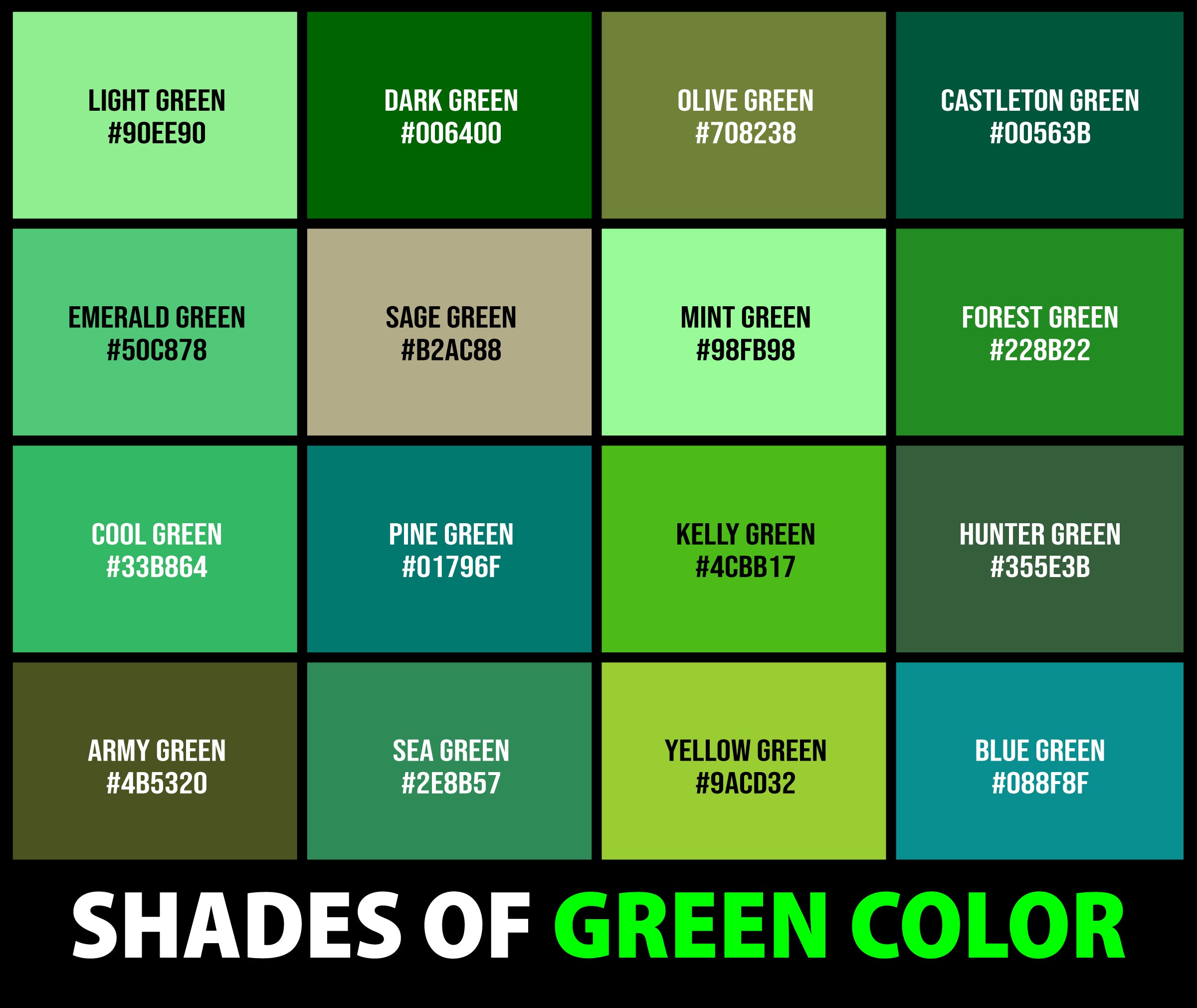
The versatility of the color allows it to inhabit different emotional spaces. While deeper shades like forest green evoke the natural world and endurance, lighter tints are frequently deployed to suggest freshness and safety. This psychological association is precisely why the brand identity of the now-closing mall relied so heavily on the color’s inherent promise of harmony between human activity and the planet.
The Spectrum of Green in Design
For designers and architects, the challenge has always been selecting the right shade to convey the intended message. The variety of green is vast, ranging from the delicate, yellow-tinged undertones of light green to the bold, near-black intensity of dark green. According to CreativeBooster, popular variations such as Castleton Green, Emerald, and Sage each offer distinct aesthetic properties.
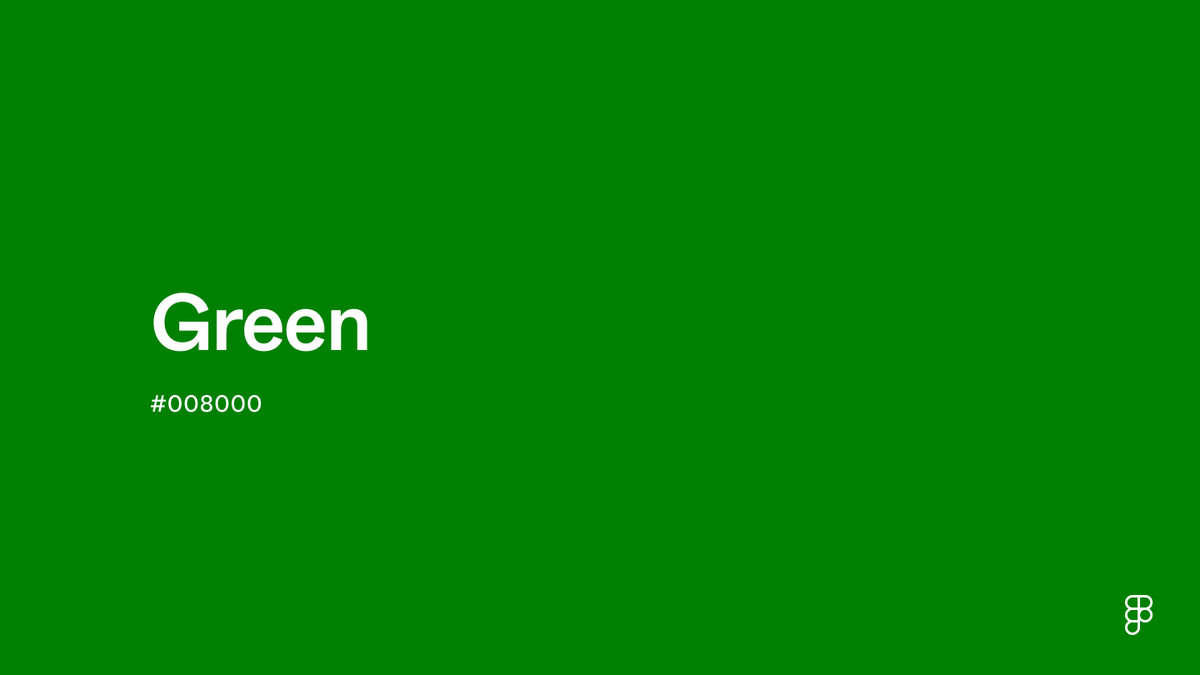
The technical application of these colors involves specific color codes that ensure consistency across physical and digital media. Whether it is the earthy tones of Olive green or the muted, gray-leaning profile of Artichoke green, these variations are essential tools for maintaining thematic integrity. As Color-Meanings.com highlights, some shades have specific cultural or institutional ties, such as the use of Jungle green by United States Army Special Forces for uniforms and berets. This technical precision in color selection is a hallmark of professional branding, intended to communicate values of durability and institutional reliability, which may now serve as a contrast to the mall’s original, more ephemeral retail focus.
Broader Cultural and Linguistic Context
Beyond its use in design and branding, the term green carries a heavy weight in modern parlance, encompassing everything from environmental activism to a lack of experience. As defined by Merriam-Webster, the word describes both the physical color of foliage and the political commitment to environmental quality. It can also, more colloquially, refer to someone who is naive or deficient in training, or even a physical state of nausea, such as being green around the gills.

The closure in Turin reflects the complex intersection of these definitions. The project, which aimed to be a leader in the environmentalist movement, ultimately struggled to maintain the commercial viability required to sustain its physical presence in the urban landscape. As the city looks toward the future of the five-story building, the transition from a mall to a hub for offices and banks highlights the stark reality of shifting economic priorities in a post-pandemic market. The repurposing of the 15,000 square meter structure suggests a broader trend where experimental retail concepts are increasingly being absorbed by more traditional commercial real estate sectors to mitigate the financial pressures that have impacted the Farinetti family’s broader business holdings.
