
Southern California Firefighters Show Biological Changes After January Wildfires
New research confirms Southern California firefighters experienced changes in blood proteins impacting their immune systems following their efforts battling January wildfires, potentially increasing their long-term health risks.
Researchers analyzed blood samples from 42 firefighters with the Los Angeles Fire Department, Oxnard Fire Department, and the Orange County Fire Authority, both before and approximately one week after the fires. The study, led by Dr. Jeff Burgess, a University of Arizona professor and director of the Fire Fighter Cancer Cohort Study, revealed alterations in a group of blood proteins linked to inflammation and immune function. “We know that there were some changes within the bodies of the firefighters based on this exposure,” Dr. Burgess stated.
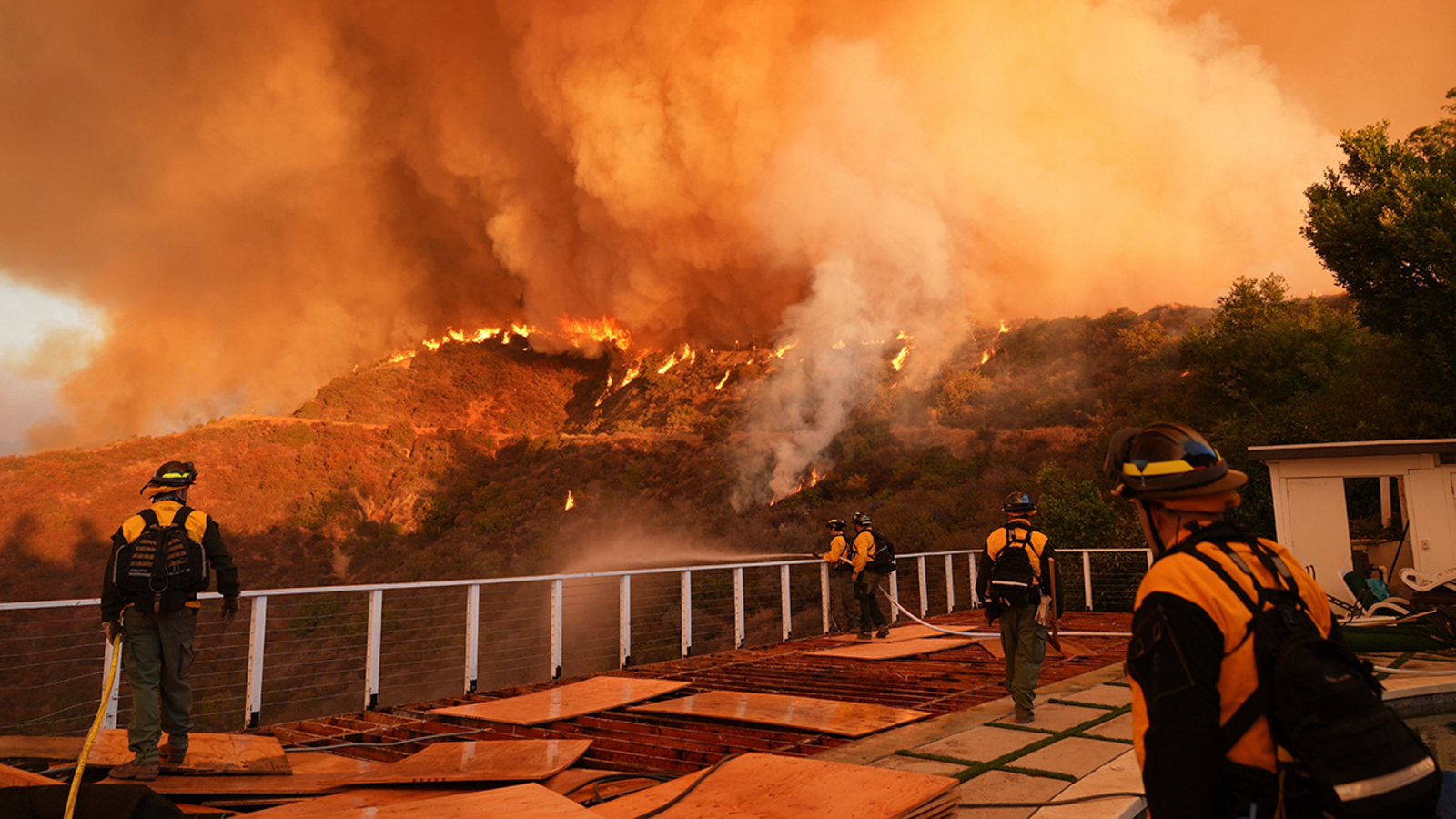
These findings are particularly concerning as firefighters are already at a higher risk of developing certain cancers due to repeated exposure to hazardous materials during their work. The January fires were especially intense, with firefighters inhaling thick, dark smoke for extended periods while protecting lives and property. Dr. Burgess explained, “I am always concerned when we find something that could pose an increased risk to firefighters,” adding, “It doesn’t mean that these firefighters are going to get cancer, it means that they could potentially have a higher risk for that after these exposures.”
While the research focused on firefighters, who experienced significantly higher levels of smoke inhalation, health officials at the Centers for Disease Control and Prevention have long warned of the dangers of wildfire smoke exposure for the general public. Dr. Burgess is currently seeking funding to retest the same firefighters one year after the fires to determine if the protein changes persist, which would further indicate a sustained health risk.
Researchers will continue to monitor the firefighters’ health, and the findings will inform future safety protocols and preventative measures for those on the front lines of wildfire response.
