
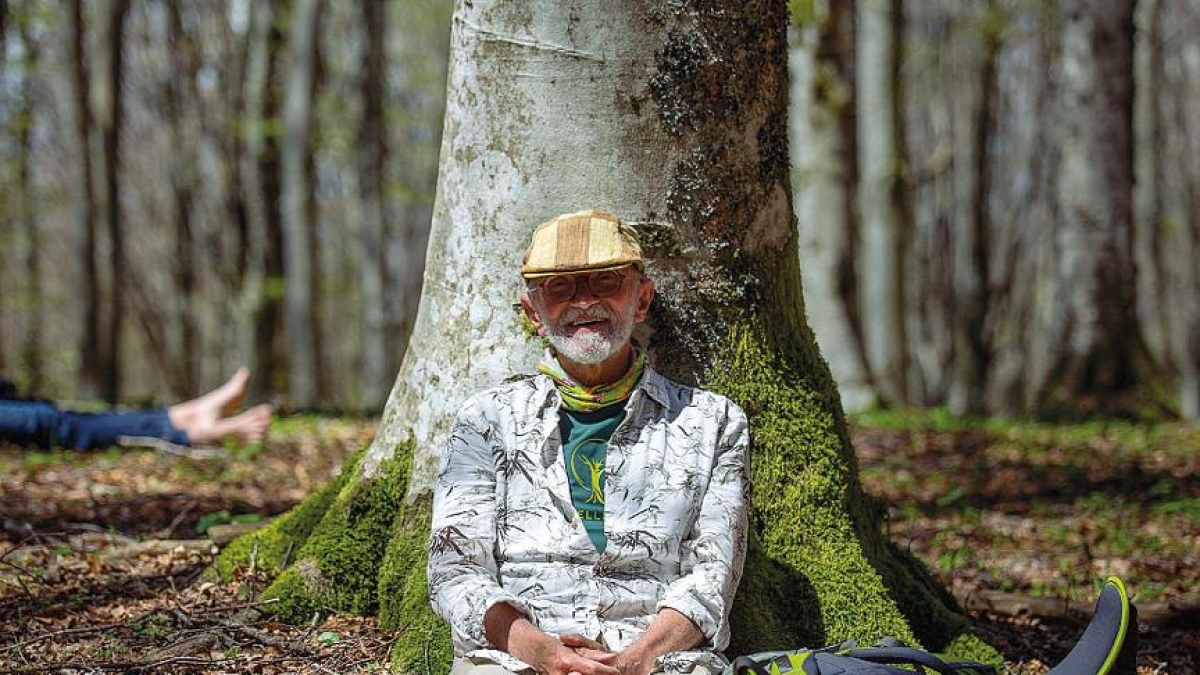
As global populations age, a growing emphasis is being placed on preventative health measures and maximizing quality of life alongside longevity. A new book from leading epidemiologist Professor franco Berrino, titled “Il cibo della longevità” (The Food of Longevity), details a macrobiotic approach to healthy aging, advocating for a plant-based diet and a lifestyle aligned with natural rhythms. The book, which will be a free supplement with the November 25th edition of Corriere della Sera, offers a critical viewpoint on modern medicine’s focus on extending lifespan rather than enhancing well-being.
A new book by a leading epidemiologist offers insights into healthy aging, suggesting that a diverse, plant-based diet and a natural lifestyle are key to longevity. The findings come as global populations age and chronic diseases become increasingly prevalent, highlighting the importance of preventative health measures.
The approach, often referred to as macrobiotics, emphasizes the role of food in achieving overall well-being. While not widely recognized decades ago, its importance is now gaining traction among health professionals. Among the early proponents was Professor Franco Berrino, who, now over 80 years old, recommends prioritizing predominantly plant-based, whole, seasonal, organic, and unprocessed foods.
Berrino details these recommendations in his new book, “Il cibo della longevità” (The Food of Longevity), published by Solferino Editore, which will be included as a free supplement with the November 25th edition of Corriere della Sera, in both print and digital formats. The book’s subtitle, “Aging in health, according to nature,” encapsulates Berrino’s central idea: the quality of life is more important than simply its length.
This concept is further supported by the work of British neuroscientist Guy Brown, whose insights Berrino incorporates into the book’s introduction: “Medical research is too focused on trying to live many more years, rather than on the quality of our lives – damaging our health and the economy.” Berrino expands on this, stating, “We are adding life to the elderly, but this remarkable increase in lifespan is not accompanied by an increase in quality of life: with increasing lifespan come increasing chronic diseases, disability, and dementia.”
So, how can individuals protect themselves? Berrino returns to the core principles of macrobiotics, focusing on the gut microbiome – the community of microorganisms living in our intestines. “Each individual has their own microbiome, the composition of which (hundreds of different species) is influenced by lifestyle, particularly by diet, exercise, sleep quality, medications, and mental health,” he writes.
“We have stopped living according to nature, harmonizing the rhythm of day and night: now we work at night and sleep during the day. And all of this is not good for our health.” When asked if there is a single “food of longevity,” Berrino responds, “There are no magic formulas: it would be enough to eliminate highly processed, artificial foods. In the United States, these are the preferred foods of 60 percent of the population, while in Italy, fortunately, they represent only 25 percent.”
However, what role do pharmaceuticals, increasingly marketed as anti-aging supplements, play in this equation? “Rather than seeking the fountain of youth in a pill, let’s learn from those who have already achieved a long life – centenarians,” Berrino suggests. He adds that, regarding medication, “Medicine has lost its way: instead of asking why people are not well and getting sick, it insists on prescribing only drugs.”
Ultimately, Berrino believes that simple changes can significantly impact healthy aging. “Nature provides everything we need,” he concludes. “We must take advantage of it and consume all the foods that the different seasons of the year offer, and not limit ourselves to eating only a few things, as elderly people often do, and non-natural foods.”
November 23, 2025
© ALL RIGHTS RESERVED
