
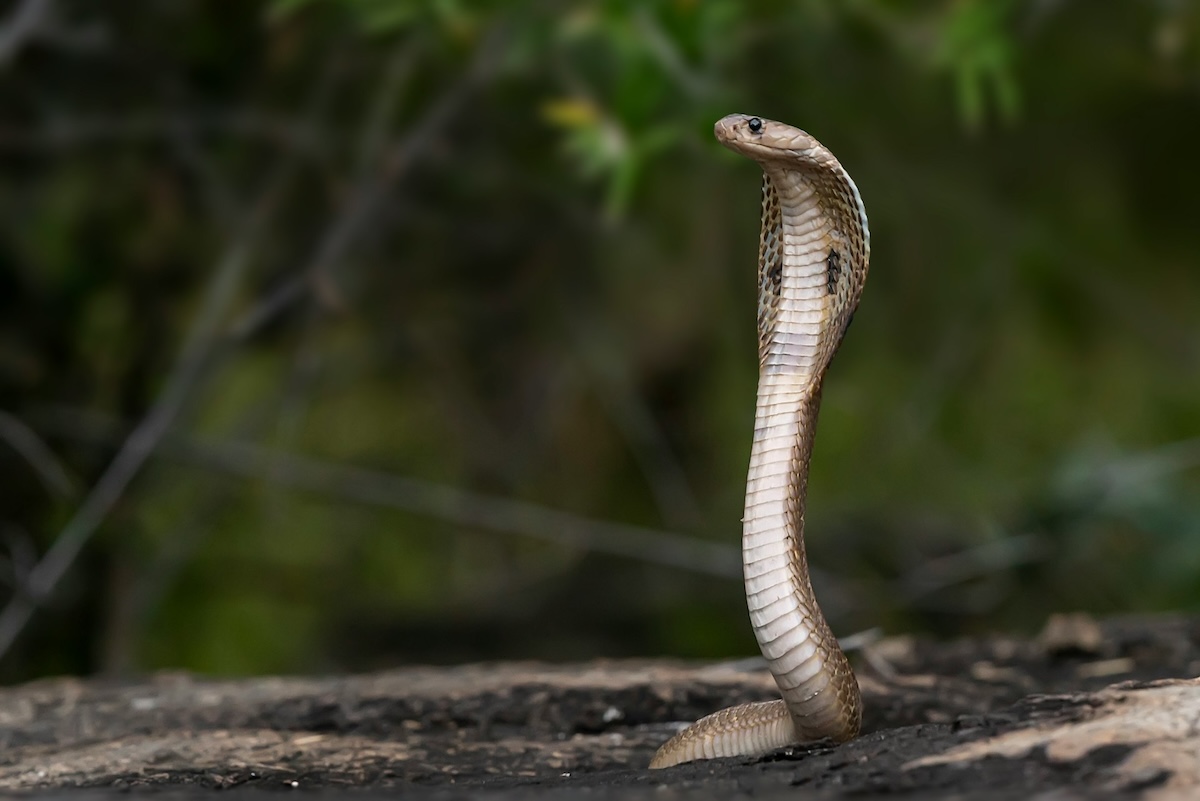
A German tourist died after being bitten by a cobra during a snake-charming performance at a hotel in Egypt, authorities confirmed on Wednesday, sparking an immediate investigation into the incident. The victim, identified as a 53-year-old man from Bavaria, was attending what was supposed to be a routine cultural demonstrate in the Red Sea resort city of Hurghada when the attack occurred.
The tragedy unfolded on Monday evening when the snake handler, part of a traditional performance, draped live cobras around the necks of audience members as part of the act. According to witnesses, the cobra suddenly struck, biting the tourist in the groin area. Despite efforts to rush him to a nearby hospital, the man succumbed to the venom shortly after arrival.
Egyptian officials have launched a probe into the incident, with local police questioning the snake handler and hotel staff. The Egyptian Ministry of Tourism confirmed the death in a statement, emphasizing that such performances are not uncommon in the region but are typically conducted with strict safety measures. “What we have is a rare and deeply unfortunate event,” the ministry said. “We are working closely with authorities to ensure all protocols were followed and to prevent any future occurrences.”
The victim’s identity has not been officially released, but German media outlets reported he was vacationing with his family when the incident took place. The German Foreign Office acknowledged the death and said it was in contact with local authorities to assist the family. “Our thoughts are with the victim’s loved ones during this tricky time,” a spokesperson said.
Snake-charming performances, often featuring cobras and other venomous species, remain a popular tourist attraction in parts of North Africa and the Middle East. While handlers typically remove the snakes’ fangs or use other precautions to minimize risk, experts warn that such practices are not foolproof. “Even with safety measures in place, accidents can happen,” said a wildlife conservationist familiar with the region. “Venomous snakes are unpredictable, and their bites can be fatal without immediate medical intervention.”
The incident has raised questions about the safety of cultural performances involving wild animals, particularly in tourist-heavy destinations. Animal rights groups have long criticized such acts, arguing they exploit wildlife and pose unnecessary risks to both animals and humans. “This tragedy underscores the need for stricter regulations on animal performances in tourism,” said a representative from a global wildlife organization. “No cultural tradition should come at the cost of human life or animal welfare.”
Hurghada, a popular destination for European tourists, has seen a rise in such performances as part of its efforts to showcase local traditions. However, this fatal incident could prompt a reevaluation of safety standards in the industry. Egyptian authorities have not yet indicated whether they plan to impose modern restrictions, but the investigation is expected to conclude within days.
For now, the victim’s family is making arrangements to repatriate his body, while Egyptian officials continue to piece together the events leading up to the bite. The case serves as a stark reminder of the risks associated with close encounters with wild animals, even in controlled settings.
