
New evidence unearthed in England is rewriting the timeline of human innovation, suggesting controlled fire use began far earlier then previously thought. archaeological researchers have discovered evidence of human-made fire dating back 400,000 years at a site in Barnham, Suffolk – pushing back the earliest known evidence by over 300,000 years [[1]]. The findings, published in *Nature*, indicate early Neanderthals were intentionally creating and maintaining fires, offering new insight into the cognitive and behavioral capabilities of our ancient relatives.
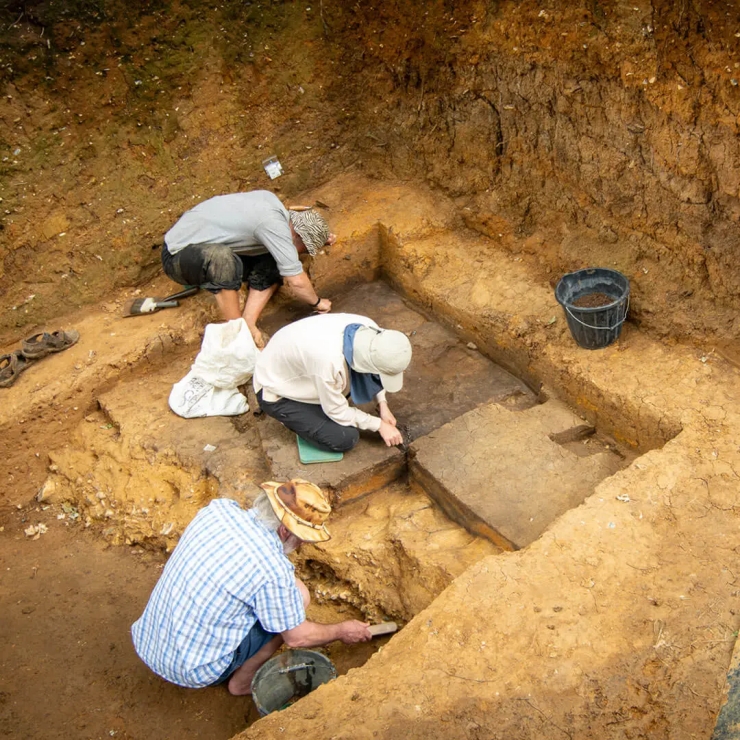
Evidence from an archaeological dig in the UK suggests that humanity controlled fire 350,000 years ago – significantly earlier than previously understood.
Researchers have uncovered what they believe to be the oldest evidence of human-made fire, dating back 400,000 years, at a site in eastern England. This discovery pushes back the timeline for the earliest known use of fire by hominins by a substantial margin.
According to a report in The Guardian, the findings from Barnham village indicate that the practice of intentionally creating fire began 350,000 years earlier than previous estimates.
Repeated Fire-Making at the Site
While evidence suggests hominins utilized naturally occurring fire over a million years ago, the earliest definitive proof of humans deliberately lighting fires came from a location in northern France, dated to around 50,000 years ago. This new discovery challenges that understanding.
The Barnham site yielded evidence of repeated fire-making, including a patch of burnt earth and hand axes that show signs of having been exposed to intense heat. This suggests a deliberate and sustained effort to control and utilize fire.
Geochemical analysis confirmed that a fragment of reddened clay at the site was heated to over 700 degrees Celsius, and that fires were lit at the same location multiple times. The ability to control fire was a pivotal moment in human evolution, providing warmth, protection, and a means to cook food.
Published in the peer-reviewed journal Nature, the research indicates the area served as a hearth where people repeatedly built fires.
Researchers believe the individuals who made fires at Barnham were likely not direct ancestors of modern humans, as Homo sapiens didn’t begin migrating out of Africa until approximately 100,000 years ago.
The findings are thought to be associated with early Neanderthals who inhabited the region.
