
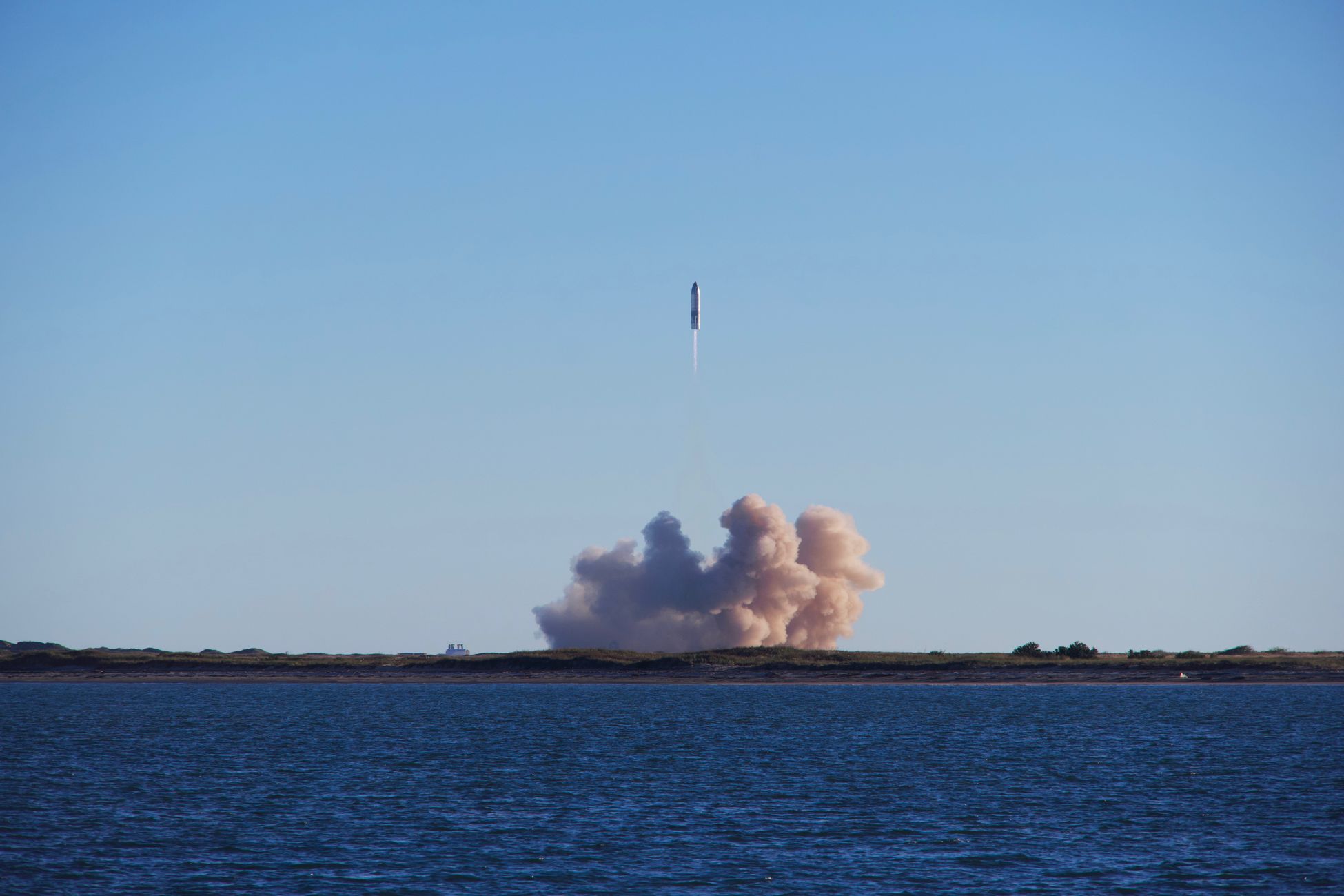
NASA currently lacks an American-built alternative for transporting astronauts to the International Space Station beyond the SpaceX Crew Dragon, a dependency that has persisted for years. Following the return of astronauts Butch Wilmore and Suni Williams in March 2025, SpaceX remains the sole U.S. provider capable of consistent crewed orbital missions.
The Evolution of the SpaceX Monopoly
The reliance on a single commercial provider marks a significant departure from the original redundancy strategy NASA envisioned when it awarded Commercial Crew contracts in September 2014. According to Space Daily, the agency intended to split work between Boeing’s CST-100 Starliner and SpaceX’s Crew Dragon to ensure two vehicles, two rockets, and two launch pads were always available. This “dual-provider” model was designed to mitigate risk: if one vehicle faced a grounding event, the other would ensure continuous access to the orbiting laboratory.
Instead, SpaceX has solidified its position as the exclusive American carrier. Since the Crew-1 mission launched in November 2020, the company has successfully completed a series of operational flights, including Crew-9, Crew-10, and Crew-11, alongside private missions for Axiom Space. The fleet has expanded to five reusable capsules, with the vehicle Endeavour having completed five orbital trips as of mid-2026. The ability to reuse these capsules has been central to the cadence of the program, allowing SpaceX to maintain a routine launch schedule that keeps the station fully staffed.
Status of the Boeing Starliner Program
Boeing’s Starliner remains grounded following the mission that saw Wilmore and Williams return via a SpaceX capsule. The original test flight, intended to last eight days, extended into the longest unplanned stay in American spaceflight history. This extended duration flight (EDF) was necessitated by ongoing technical anomalies involving the spacecraft’s reaction control system thrusters and helium leaks identified during the docking process.
The path back to flight for Boeing has been marked by repeated delays. While the company’s capsule is not officially retired, NASA and Boeing confirmed in November 2025 that the next steps for the program were still under evaluation. Investigators noted that the loss of the service module during the 2025 return precluded a full examination of the thrusters, complicating efforts to identify the root cause of the mission’s technical issues. Without the service module, which is designed to burn up upon reentry, engineers have had to rely on telemetry data and ground-based simulations to reconstruct the failure mode.
Technical Hurdles and Commercial Crew Requirements
The Commercial Crew Program (CCP) requires that any vehicle carrying NASA astronauts meet stringent safety benchmarks, including a threshold for loss-of-crew probability. Because Starliner failed to meet these requirements during the Crewed Flight Test (CFT), the program is currently stuck in a cycle of re-certification. NASA’s oversight process, which involves rigorous “flight readiness reviews,” is designed to prevent a repeat of historical failures. However, the lack of a secondary vehicle puts immense pressure on the SpaceX manifest, as any delay in a Dragon launch could theoretically leave the station under-crewed.
The Shift in Global Safety Nets
For nearly a decade, the Russian Soyuz served as the primary backup for NASA, particularly between the retirement of the Space Shuttle in July 2011 and the debut of the Crew Dragon in 2020. Even after domestic capacity returned, NASA and Roscosmos maintained a seat-swap arrangement to ensure international representation on the station. This cross-flight agreement allowed a Russian cosmonaut to fly on American vehicles and a U.S. astronaut to fly on the Soyuz, serving as a safeguard against a total grounding of either nation’s fleet.
However, geopolitical shifts since February 2022 have rendered this arrangement a temporary measure rather than a long-term redundancy plan. While a NASA astronaut utilized a Soyuz seat as recently as 2025, the agency’s reliance on SpaceX for the bulk of its crewed logistics is now the defining feature of its current mission architecture. The station requires a minimum number of crew members to maintain life support systems and conduct scientific research, making the reliable arrival of cargo and personnel a logistical priority that currently rests almost entirely on the shoulders of one private company.
NASA Facilities and Historical Context
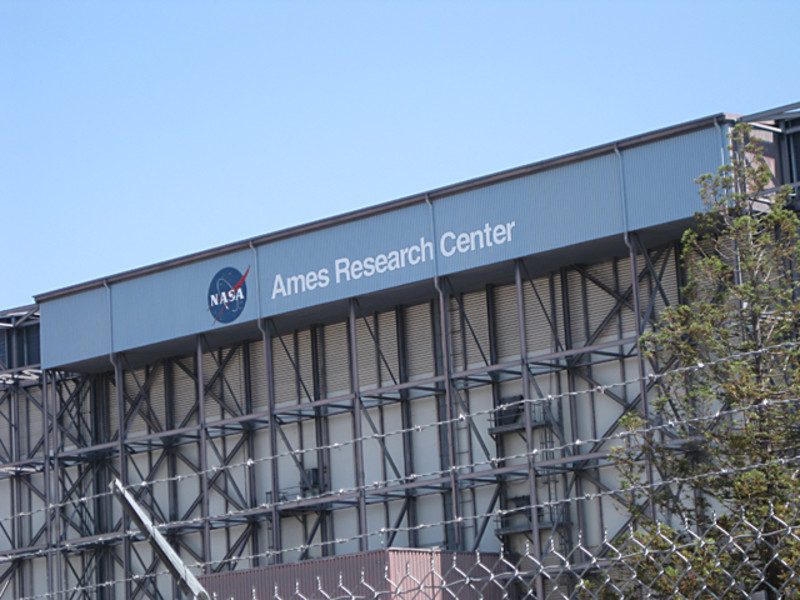
Beyond current flight operations, NASA continues to manage public engagement and historical research. Facilities such as the NASA Ames Exploration Center serve as focal points for public education, offering visitors insights into how astronauts live and work in orbit. These facilities maintain a connection to the agency’s long-term history of innovation, which spans from the early 20th century to the present, reminding the public that space exploration has always been a high-risk endeavor characterized by technical pivots.
This history of American innovation was highlighted by the achievements of Dr. Robert Goddard, who secured the first patent for a liquid-fueled rocket design on June 14, 1914. As the agency prepares for the United States’ 250th anniversary, the Freedom 250 initiative aims to connect these foundational technological milestones with the agency’s future objectives, including the transition to commercial space stations in low Earth orbit.
For administrative and operational inquiries, the agency maintains its headquarters at 300 E St. SW in Washington, D.C., as noted by USA.gov. As of June 2026, the absence of a secondary American-built crew vehicle remains the primary bottleneck for NASA’s long-term station operations, leaving the agency in a position of single-source dependency that was precisely what the Commercial Crew Program was created to avoid.
Find more reporting in our Tech section.
