
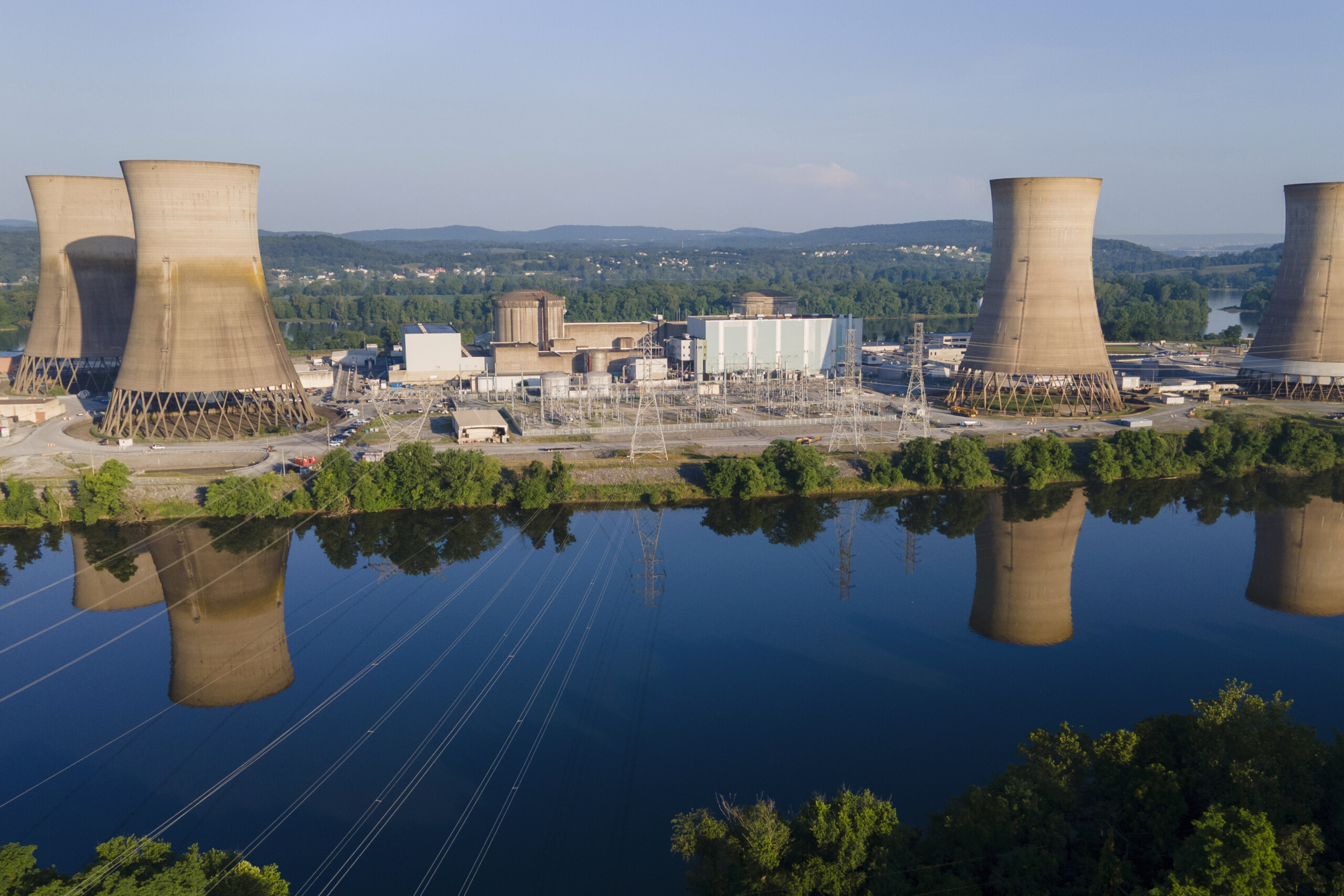
Is Illinois poised to lead the nuclear renaissance? As the state grapples with evolving energy demands and a carbon-free future, understanding the prospects and challenges surrounding illinois nuclear power is more critical then ever. This article explores the state’s current nuclear infrastructure,its untapped potential,and the key decisions that will shape its energy landscape for decades to come. Discover how Illinois can leverage its existing nuclear capabilities to power its economy and secure a cleaner, more lasting future.
“`html
Illinois’ Nuclear Future: Powering the State and Beyond
The nuclear renaissance: A New Era for Energy
The energy landscape is undergoing a significant transformation, wiht nuclear power at the forefront. Recent developments, such as the 20-year deal between Meta and Constellation, highlight a growing interest in nuclear energy. This trend is not just about clean energy; it’s also about economic growth and job creation. Illinois,already a major player in the nuclear sector,is poised to capitalize on this renewed interest,provided it adapts to the changing energy market.
The deal is expected to retain 1,100 high-paying jobs, generate $13.5 million in annual tax revenue and produce 30 megawatts of carbon-free electricity each year, showcasing the increasing value of nuclear reactors. States such as New york are seizing the chance by building new nuclear plants to generate billions in revenue and create thousands of jobs.
Illinois: A Nuclear Powerhouse with Untapped Potential
Illinois currently leads the nation in nuclear energy production, with six plants and eleven reactors generating a significant portion of the state’s electricity [[1]]. These facilities are crucial for meeting the state’s energy demands and reducing its carbon footprint. Though, Illinois still maintains a moratorium on building new large-scale nuclear power plants, which limits its ability to fully leverage the economic and environmental benefits of nuclear energy.
did you no? Illinois gets over half of its electricity from nuclear power,making it the most nuclear-dependent state in the U.S.
The Byron Clean Energy center, such as, demonstrates the positive impact of nuclear plants. It provides power to 1.7 million homes, supports thousands of jobs, and contributes significantly to local tax revenues [[3]]. The state’s nuclear facilities contribute nearly 9 billion to the state’s economy each year while supporting the state’s mission in going completely carbon-free by 2050.
the Future of Nuclear Energy in Illinois
The future of nuclear energy in Illinois hinges on several key factors. One is the potential for lifting the ban on new large-scale reactors. While the state has taken steps to ease restrictions on small modular reactors (SMRs), these are still in the experimental phase and not yet commercially viable [[3]]. The state needs to consider the proven economic benefits of large-scale reactors.
Pro tip: Stay informed about the latest developments in nuclear energy policy and technology to understand the evolving landscape.
Another critical factor is the growing interest
