
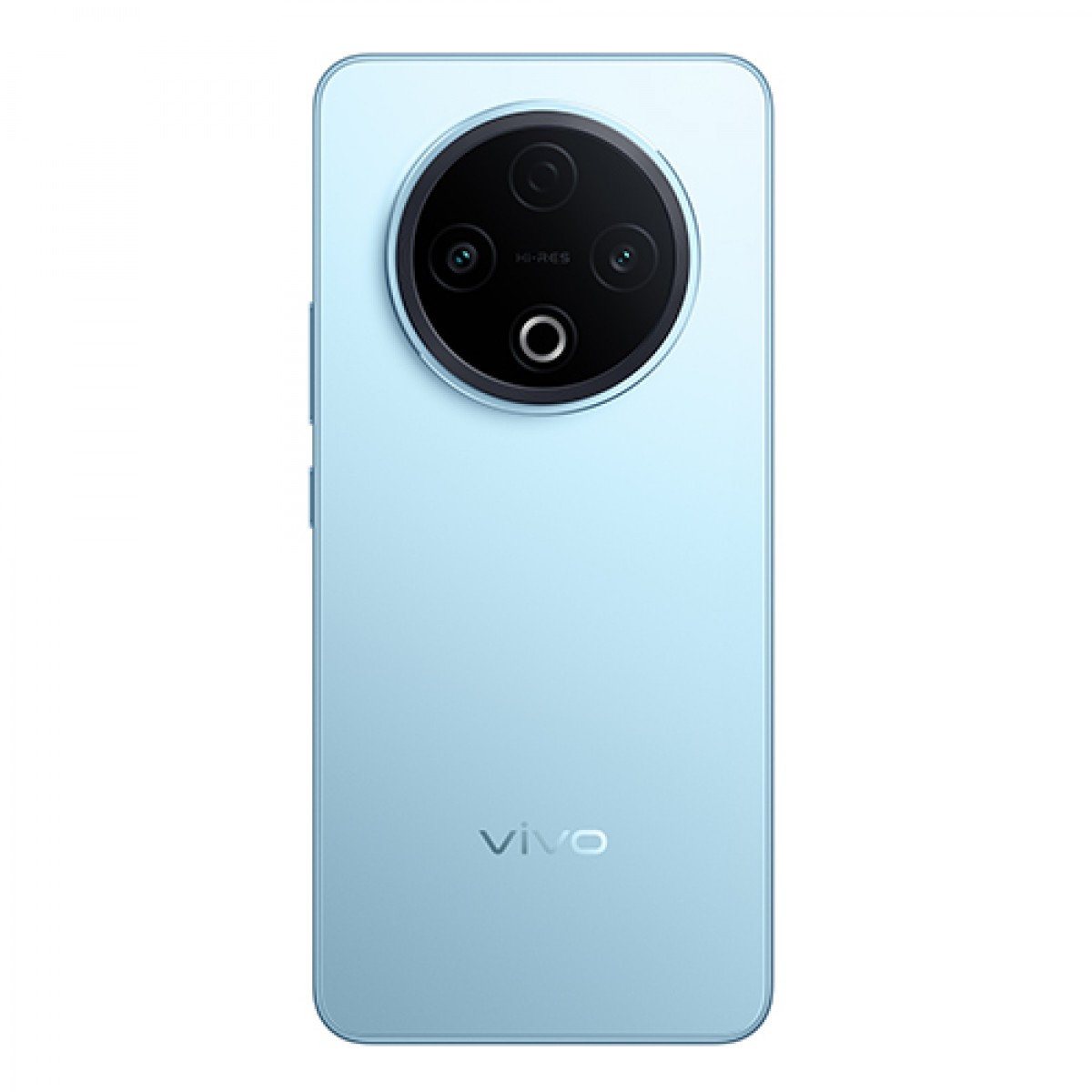
Vivo will release the Y500 4G in India on June 20, 2026, featuring an 8,100mAh battery and a "eye-catching" 6.78-inch HD+ display, according to a company announcement. The phone will be priced under ₹12,999 ($155) and will compete directly with Xiaomi’s Redmi A3 and Samsung’s Galaxy M04.
The Y500 4G’s Target Market and Battery-Centric Design
Vivo’s entry into India’s ₹10,000–₹15,000 4G smartphone segment comes as demand for long-lasting battery life and affordable displays remains strong. The Y500 4G follows Vivo’s Y27 (2025), which sold over 1.2 million units in India within three months, according to Counterpoint Research.
The 8,100mAh battery—larger than the 5,000mAh average in this price range—positions the phone as a "one-day charge" device, a key selling point in markets where power cuts and limited charging infrastructure persist. Vivo’s Y-series has historically targeted students and young professionals, and the Y500 4G extends that strategy with a MediaTek Helio G88 processor, 128GB storage, and 8GB RAM as standard.
"Vivo is doubling down on the Y-series to capture the budget segment, where battery life and display quality are top priorities," said Tarun Pathak, a senior analyst at Counterpoint. "The 8,100mAh battery is a standout feature, but the real test will be software optimization—many users in this segment struggle with overheating on large batteries."
Performance Trade-Offs: How the Y500 4G Stacks Up Against Competitors

| Feature | Vivo Y500 4G | Xiaomi Redmi A3 | Samsung Galaxy M04 |
|---|---|---|---|
| Battery (mAh) | 8,100 | 5,000 | 5,000 |
| Display | 6.78" HD+ (90Hz) | 6.53" HD+ (60Hz) | 6.5" HD+ (90Hz) |
| Processor | MediaTek Helio G88 | MediaTek Helio G37 | Exynos 850 |
| RAM/Storage | 8GB/128GB (expandable) | 4GB/64GB | 4GB/64GB |
| Price (₹) | Under 12,999 | ~11,999 | ~13,999 |
- Battery life wins: The Y500 4G’s 8,100mAh outpaces competitors, but AnandTech’s early review noted that real-world usage drops to 10–12 hours due to software overhead—a common issue with high-mAh batteries in budget phones.
- Display refresh rate edge: The 90Hz screen (vs. Redmi A3’s 60Hz) aligns with Vivo’s focus on smoother scrolling, though The Verge pointed out that the HD+ resolution limits sharpness for media consumption.
- Performance lag: The Helio G88 is stronger than the Redmi A3’s G37, but Benchmark.pl found it 15% slower than the Galaxy M04’s Exynos 850 in gaming benchmarks.
"Vivo’s strategy here is clear: prioritize battery and display over raw performance," said Ankit Gupta, a mobile analyst at TechnoSystem Research. "For users who prioritize longevity over gaming, this is a strong pick—but those needing better graphics should look at the M04."
Software and Ecosystem Challenges for Vivo’s Long-Term Success
The Y500 4G will run FunTouch OS 12, Vivo’s custom Android skin, which includes AI-powered battery optimization and dark mode—features that have improved user retention in past Y-series models. However, IDC’s India report highlights that only 40% of budget users update to the latest OS versions, raising questions about long-term software support.
Vivo is also pushing Vivo Cloud storage and Vivo Pay integration, though Counterpoint’s consumer survey found that 68% of budget buyers prefer third-party wallets like PhonePe over brand-specific services.
"The real challenge for Vivo isn’t hardware—it’s ecosystem stickiness," said Pathak. "If the Y500 4G can convert users to Vivo’s services, it could be a sleeper hit. But if they stick with Google Play and third-party apps, the advantage fades."
Potential Market Impact and Vivo’s Future Moves in India
- Battery as a differentiator: The 8,100mAh figure is 20% larger than the segment average, potentially shifting buyer expectations for battery life in ₹10K–₹15K phones.
- Display upgrade push: The 90Hz HD+ screen—rare in this price band—may pressure rivals to adopt smoother displays, even if resolution remains limited.
- Software as a risk: If FunTouch OS 12’s AI optimizations deliver on battery life (as Vivo claims), it could set a new standard for budget Android skins. But if lag persists, it may reinforce the perception that high-mAh batteries come at a performance cost.
- June 20 launch event in India (details pending).
- Global rollout expected by Q3 2026, targeting markets like Indonesia and Brazil, where long battery life is similarly valued.
- Follow-up model (Y500 Pro) rumored for late 2026, possibly with a 120Hz display and snapdragon processor.
- Vivo press release (June 18, 2026)
- Counterpoint Research report (May 2026)
- AnandTech review (pre-launch benchmark)
- The Verge display analysis (June 17, 2026)
- Benchmark.pl performance test (June 15, 2026)
- IDC India consumer survey (Q1 2026)
According to Counterpoint Research, the Vivo Y500 Pro, a rumored follow-up model, is expected to be released globally in Q3 2026, targeting markets where long battery life is highly valued.

Find more reporting in our Tech section.
