
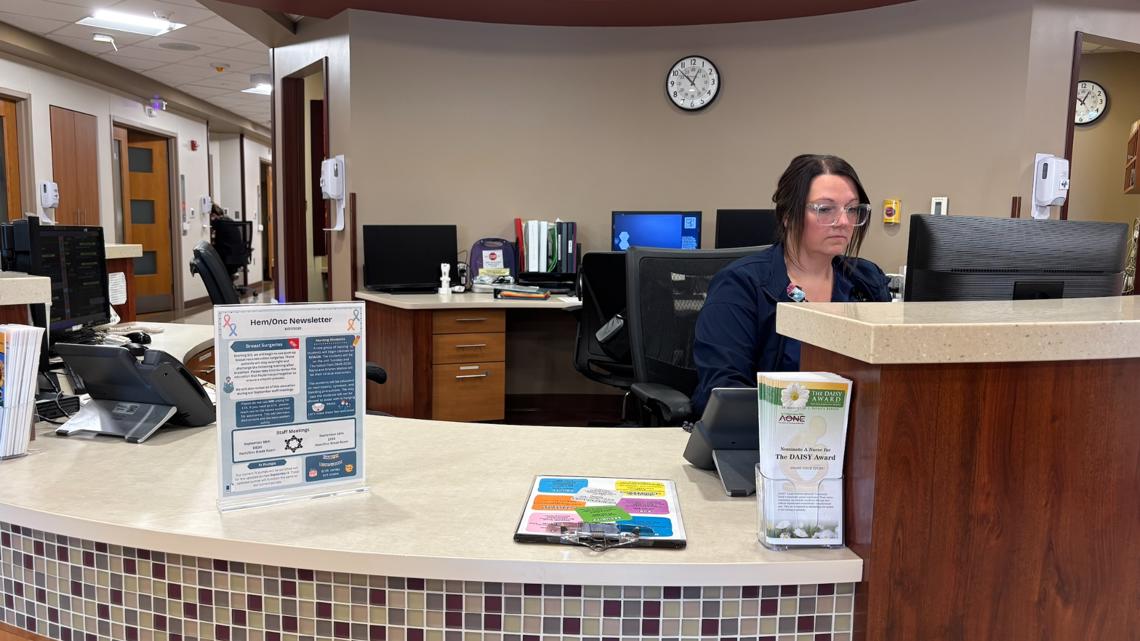
What does the future hold for nursing? This article delves into the key trends and transformations impacting the nursing profession,from addressing the nursing shortage with innovative solutions to the expanding role of technology. Discover how nurses are adapting to meet the evolving healthcare landscape and what these changes mean for the future of nursing and patient care.
The Future of Nursing: Trends and Transformations
Table of Contents
The healthcare landscape is constantly evolving,and the nursing profession is at the forefront of these changes. With an aging population and advancements in medical technology, the demand for skilled nurses is higher than ever.This article explores the key trends shaping the future of nursing, offering insights into how the profession is adapting to meet the challenges and opportunities ahead.
Addressing the Nursing Shortage: Innovative Solutions
One of the most pressing issues facing the healthcare industry is the nursing shortage. Several factors contribute to this, including an aging workforce, increased demand for healthcare services, and burnout among nurses. To combat this, innovative solutions are being implemented. For example, Indiana is allowing high school students to enroll in accredited nursing programs [[3]]. This proactive approach aims to increase the pipeline of future nurses and address the critical need for healthcare professionals.
Pro Tip: Consider exploring accelerated nursing programs or bridge programs if you’re looking to enter the field quickly. These programs can help you earn your degree and start your career sooner.
The role of Technology in Nursing
Technology is revolutionizing healthcare, and nursing is no exception. From electronic health records (EHRs) to telehealth and remote patient monitoring, technology is transforming how nurses deliver care. These advancements improve efficiency, reduce errors, and enhance patient outcomes. Nurses are increasingly expected to be tech-savvy, pleasant using various digital tools, and able to interpret data to make informed decisions.
Did you know? Telehealth has expanded access to care, especially for patients in rural areas. Nurses play a crucial role in telehealth, providing virtual consultations and monitoring patients remotely.
Expanding Roles and Specializations
The scope of nursing practice is expanding, with nurses taking on more responsibilities and specializing in various areas. Advanced practice registered nurses (APRNs), such as nurse practitioners and clinical nurse specialists, are playing a more significant role in primary care and specialized settings. This expansion is driven by the need to improve access to care, especially in underserved communities. Specializations in areas like geriatrics, critical care, and informatics are also becoming increasingly significant.
The Importance of Mental Health and Well-being
The nursing profession can be demanding, and the mental health and well-being of nurses are paramount. Addressing burnout, stress, and compassion fatigue is crucial to retaining nurses and ensuring they can provide the best possible care. Healthcare organizations are implementing programs to support nurses’ mental health, such as providing access to counseling services, promoting work-life balance, and fostering a supportive work environment.
Education and Training: Preparing Nurses for the Future
nursing education is evolving to meet the changing needs of the profession. Nursing schools are incorporating technology,simulation,and interprofessional education into their curricula. Continuing education and professional development are essential for nurses to stay current with the latest advancements and best practices. Programs like the Nurse Corps Scholarship Program [[2]] support nursing education and help address workforce shortages.
The Impact of Policy and Legislation
Government policies and legislation significantly impact the nursing profession. Policies related to healthcare funding, access to care, and scope of practice influence the demand for nurses and the roles they can play. Nurses are encouraged to advocate for policies that support their profession and improve patient care. The Indiana university School of Nursing is actively working to address the state’s nursing shortage [[1]].
Frequently Asked Questions
- What is the nursing shortage? A lack of qualified nurses to meet the healthcare needs of the population.
- How is technology changing nursing? Through EHRs, telehealth, and remote patient monitoring, improving efficiency and patient care.
- What are APRNs? Advanced Practice Registered Nurses, such as nurse practitioners and clinical nurse specialists.
- Why is mental health important for nurses? To prevent burnout and ensure nurses can provide quality care.
The future of nursing is dynamic and full of opportunities.By embracing innovation,prioritizing well-being,and advocating for positive change,nurses can continue to make a profound impact on healthcare. What are your thoughts on the future of nursing? Share your comments and insights below!
