
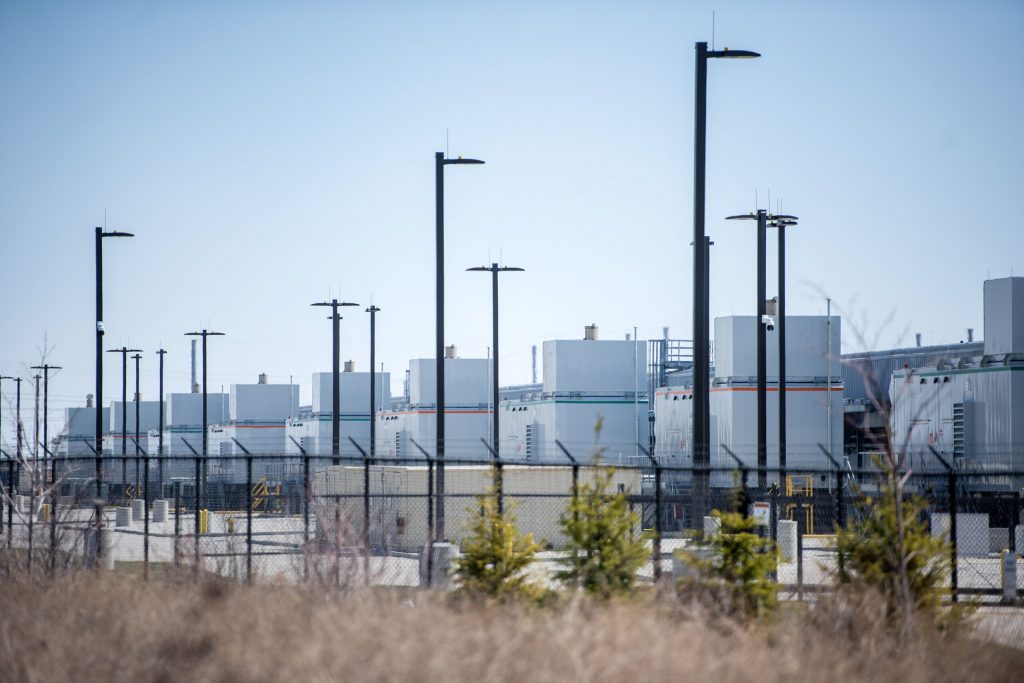
As the digital world explodes, so does the need for data centers, but what does this growth mean for our communities and resources? This article explores the transformative trends in data center development, revealing both the economic opportunities and critical sustainability challenges they present. discover the key factors shaping the future of data centers and how we can balance innovation with community well-being.
The Rise of Data Centers: Transforming Landscapes and Communities
The relentless march of technological advancement is reshaping our world,and at the forefront of this transformation are data centers. These massive facilities, once a niche industry, are now sprawling across the globe, bringing with them both economic opportunities and environmental challenges. This article delves into the future trends of data centers, exploring their impact on communities, the environment, and the very fabric of our lives.
Data Centers: The New Industrial Revolution
As the demand for cloud computing, artificial intelligence (AI), and data storage explodes, so does the need for data centers. Companies like Microsoft, as highlighted in the provided article, are leading the charge, investing billions in these facilities. This trend is not limited to tech giants; businesses of all sizes are increasingly reliant on data centers to power their operations. The economic impact is undeniable, creating jobs and boosting local economies. West Des Moines, Iowa, is a prime example, with Microsoft’s investment transforming the city’s landscape and job market.
Did you know? The global data center market is projected to reach over $500 billion by 2028, according to recent reports.
The Environmental Footprint: A Growing Concern
While data centers offer notable benefits, their environmental impact is a growing concern. These facilities consume vast amounts of energy and water, contributing to carbon emissions and straining local resources. The article mentions the significant water usage of Microsoft’s data centers in West Des Moines. As data center construction continues, the industry must prioritize sustainability. This includes exploring renewable energy sources, implementing water-efficient cooling systems, and adopting circular economy principles.
Pro Tip: Look for data centers that are LEED certified or committed to using renewable energy. This is a good indicator of their environmental responsibility.
Community Impact: Balancing Progress and preservation
The arrival of data centers can dramatically alter the character of a community. While they bring jobs and economic growth, they can also lead to increased traffic, noise, and light pollution, as residents in West Des Moines and Cumming, Iowa, have experienced. Careful planning and community engagement are crucial to mitigate these negative impacts. This includes clear interaction, proactive measures to address concerns, and investments in local infrastructure.
Future Trends: What’s on the Horizon?
The data center industry is constantly evolving. Here are some key trends to watch:
- Edge Computing: Bringing data processing closer to the user, reducing latency and improving performance.
- Modular Data Centers: Prefabricated, scalable solutions that can be deployed quickly and efficiently.
- Liquid Cooling: A more efficient cooling method that can considerably reduce energy consumption.
- AI-Powered Data Centers: Using AI to optimize energy usage, predict maintenance needs, and improve overall efficiency.
Addressing the Challenges: A Call to Action
The future of data centers hinges on our ability to balance technological progress with environmental stewardship and community well-being. This requires collaboration between industry leaders, policymakers, and local communities. By embracing lasting practices, fostering open communication, and investing in innovative solutions, we can ensure that data centers contribute to a brighter future for all.
Reader Question: What are your thoughts on the impact of data centers in your community? Share your comments below!
“`html
The Data Center Boom: Trends Reshaping Communities and Resources
The rise of data centers is transforming landscapes across the globe, bringing both economic opportunities and environmental challenges. As digital demands surge, these massive facilities, housing servers and infrastructure, are becoming integral to our modern world.Let’s delve into the key trends shaping the future of data centers and their impact on communities.
The Heartland’s Digital Transformation: Data Centers in Focus
The article highlights the rapid expansion of data centers in the Des Moines region and across Iowa. This trend isn’t unique; we’re seeing similar growth in various locations, driven by factors like available land, a skilled workforce, and access to renewable energy. Companies like Microsoft, Apple, and Google are investing heavily in these facilities, attracted by the promise of lower operational costs and strategic geographical advantages. This expansion is a clear indicator of the increasing importance of data storage and processing in our digital age.
Did you know? The global data center market is projected to reach over $500 billion by 2028, reflecting the continuous growth in data consumption and cloud computing.
economic Benefits and Community Impact
The influx of data centers brings significant economic benefits to host communities.Increased property values, job creation, and infrastructure investments are common outcomes. Such as, the article mentions how Microsoft’s presence has boosted property valuation in West Des Moines. Data centers often contribute to local infrastructure improvements, such as water system upgrades and community projects. However, this growth also presents challenges.
Pro Tip: When evaluating the impact of data centers,consider not only the direct economic benefits but also the indirect effects on local businesses and the overall quality of life.
Resource Consumption: Water and Energy Concerns
One of the most pressing concerns surrounding data centers is their significant consumption of resources, particularly water and energy.Data centers require vast amounts of water for cooling,especially during peak operating times. The article points out that even with air-cooling systems, the demand for water can strain local resources, especially in areas prone to drought. Furthermore, the high energy demands of these facilities put pressure on existing power grids and necessitate investments in new infrastructure.
Did you know? Data centers can consume as much electricity as a small city,highlighting the need for sustainable energy solutions.
Sustainable Solutions: The Future of Data Centers
The future of data centers hinges on sustainability. several trends are emerging to address the environmental impact:
- Renewable Energy: Data centers are increasingly powered by renewable energy sources like solar and wind. This reduces their carbon footprint and aligns with corporate sustainability goals.
- Water-Efficient Cooling: innovations in cooling technologies, such as liquid cooling and free cooling, are reducing water consumption.
- Location Strategy: Companies are strategically locating data centers in areas with abundant renewable energy and water resources.
- Energy Efficiency: Data center operators are constantly improving energy efficiency through better hardware, software optimization, and data center design.
Case Study: Google has committed to running its data centers on 24/7 carbon-free energy by 2030, demonstrating a strong commitment to sustainability.
The Road Ahead: Balancing Growth and Sustainability
The expansion of data centers is inevitable,but it must be managed responsibly. Collaboration between data center operators, local governments, and energy providers is crucial to ensure sustainable growth. This includes investing in renewable energy infrastructure, implementing water conservation measures, and fostering community engagement. The goal is to harness the benefits of data centers while minimizing their environmental impact and ensuring the long-term well-being of the communities they serve.
Reader Question: What role do you think governments should play in regulating the data center industry to promote sustainability?
Frequently Asked Questions
Q: What is a data center?
A: A data center is a facility used to house computer systems and associated components, such as telecommunications and storage systems.
Q: Why are data centers expanding?
A: the growth of data centers is driven by the increasing demand for data storage, cloud computing, and digital services.
Q: What are the environmental concerns associated with data centers?
A: Data centers consume significant amounts of water and energy, contributing to environmental challenges.
Q: What are some sustainable solutions for data centers?
A: Sustainable solutions include using renewable energy, water-efficient cooling systems, and improving energy efficiency.
Q: How can communities benefit from data centers?
A: communities can benefit from job creation, increased property values, and infrastructure investments.
Q: What is the future of data centers?
A: The future of data centers involves a focus on sustainability, with increased use of renewable energy and water-efficient technologies.
Q: What is the role of government in the data center industry?
A: Governments can play a crucial role in regulating the data center industry to promote sustainability and ensure responsible growth.
Q: what is the impact of data centers on local communities?
A: Data centers can have both positive and negative impacts on local communities, including economic benefits and environmental concerns.
Q: how can data centers reduce their water consumption?
A: Data centers can reduce their water consumption by using water-efficient cooling systems and implementing water conservation measures.
Q: What are the key trends in the data center industry?
A: key trends include the use of renewable energy, water-efficient cooling, and strategic location planning.
Q: How can data centers contribute to the local economy?
A: Data centers can contribute to the local economy by creating jobs, increasing property values, and investing in infrastructure.
Q: what are the challenges of data center expansion?
A: Challenges include high energy and water consumption, and the need for infrastructure upgrades.
Q: What is the role of technology in data center sustainability?
A: Technology plays a crucial role in data center sustainability by enabling the use of renewable energy, water-efficient cooling, and energy-efficient hardware and software.
Q: How can data centers improve their energy efficiency?
A: Data centers can improve their energy efficiency by using energy-efficient hardware, optimizing software, and improving data center design.
Q: What is the impact of data centers on the environment?
A: Data centers can have a significant impact on the environment due to their high energy and water consumption.
Q: How can data centers contribute to community advancement?
A: Data centers can contribute to community development by investing in local infrastructure, supporting community projects, and creating jobs.
Q: What are the benefits of using renewable energy in data centers?
A: The benefits of using renewable energy in data centers include reducing the carbon footprint, lowering operating costs, and promoting sustainability.
Q: What are the key considerations for data center location?
A: Key considerations for data center location include access to renewable energy, water resources, a skilled workforce, and reliable infrastructure.
Q: how can data centers manage their water usage?
A: Data centers can manage their water usage by using water-efficient cooling systems, implementing water conservation measures, and partnering with local water authorities.
Q: What is the role of data centers in the digital economy?
A: Data centers play a crucial role in the digital economy by providing the infrastructure needed for data storage,cloud computing,and digital services.
Q: What are the future trends in data center technology?
A: Future trends in data center technology include the use of artificial intelligence, edge computing, and advanced cooling systems.
Q: How can data centers contribute to a sustainable future?
A: Data centers can contribute to a sustainable future by using renewable energy, implementing water-efficient cooling systems, and promoting energy efficiency.
Q: What are the challenges of data center sustainability?
A: Challenges of data center sustainability include high energy and water consumption, the need for infrastructure upgrades, and the cost of implementing sustainable technologies.
Q: How can data centers support local communities?
A: Data centers can support local communities by creating jobs, investing in infrastructure, and partnering with local organizations.
Q: What are the benefits of data center expansion for local communities?
A: The benefits of data center expansion for local communities include job creation, increased property values, and infrastructure investments.
Q: What are the environmental impacts of data centers?
A: the environmental impacts of data centers include high energy and water consumption, and the generation of electronic waste.
Q: How can data centers reduce their environmental impact?
A: Data centers can reduce their environmental impact by using renewable energy, implementing water-efficient cooling systems, and promoting energy efficiency.
Q: What is the role of data centers in the cloud computing industry?
A: Data centers play a crucial role in the cloud computing industry by providing the infrastructure needed for data storage,processing,and delivery.
Q: What are the key considerations for data center design?
A: Key considerations for data center design include energy efficiency, cooling systems, and security.
Q: How can data centers improve their energy efficiency?
A: Data centers can improve their energy efficiency by using energy-efficient hardware, optimizing software, and improving data center design.
Q: What are the future trends in data center design?
A: Future trends in data center design include the use of modular designs, liquid cooling, and renewable energy sources.
Q: how can data centers contribute to a circular economy?
A: Data centers can contribute to a circular economy by reusing and recycling hardware,reducing waste,and promoting energy efficiency.
Q: What are the challenges of data center growth?
A: Challenges of data center growth include high energy and water consumption, the need for infrastructure upgrades, and the cost of implementing sustainable technologies.
Q: How can data centers support local economic development?
A: Data centers can support local economic development by creating jobs, investing in infrastructure, and partnering with local businesses.
Q: What are the benefits of data center sustainability?
A: The benefits of data center sustainability include reducing environmental impact, lowering operating costs, and improving corporate reputation.
Q: What are the key factors driving data center growth?
A: key factors driving data center growth include the increasing demand for data storage, cloud computing, and digital services.
Q: How can data centers reduce their carbon footprint?
A: Data centers can reduce their carbon footprint by using renewable energy, improving energy efficiency, and implementing carbon offset programs.
Q: What are the key considerations for data center security?
A: Key considerations for data center security include physical security,cybersecurity,and data protection.
Q: How can data centers improve their water efficiency?
A: Data centers can improve their water efficiency by using water-efficient cooling systems,implementing water conservation measures,and partnering with local water authorities.
Q: What are the future trends in data center sustainability?
A: Future trends in data center sustainability include the use of renewable energy, water-efficient cooling, and circular economy practices.
Q: How can data centers contribute to a sustainable future?
A: Data centers can contribute to a sustainable future by using renewable energy, implementing water-efficient cooling systems, and promoting energy efficiency.
Q: What are the challenges of data center sustainability?
A: Challenges of data center sustainability include high energy and water consumption, the need for infrastructure upgrades, and the cost of implementing sustainable technologies.
Q: How can data centers support local communities?
A: Data centers can support local communities by creating jobs, investing in infrastructure, and partnering with local organizations.
Q: What are the benefits of data center expansion for local communities?
A: the benefits of data center expansion for local communities include job creation, increased property values, and infrastructure investments.
Q: What are the environmental impacts of data centers?
A: The environmental impacts of data centers include high energy and water consumption, and the generation of electronic waste.
Q: How can data centers reduce their environmental impact?
A: Data centers can reduce their environmental impact by using renewable energy,implementing water-efficient cooling systems,and promoting energy efficiency.
Q: What is the role of data centers in the cloud computing industry?
A: Data centers play a crucial role in the cloud computing industry by providing the infrastructure needed for data storage, processing, and delivery.
Q: What are the key considerations for data center design?
A: Key considerations for data center design include energy efficiency,cooling systems,and security.
Q: How can data centers improve their energy efficiency?
A: Data centers can improve their energy efficiency by using energy-efficient hardware, optimizing software, and improving data center design.
Q: What are the future trends in data center design?
A: Future trends in data center design include the use of modular designs, liquid cooling, and renewable energy sources.
Q: How can data centers contribute to a circular economy?
A: Data centers can contribute to a circular economy by reusing and recycling hardware, reducing waste, and promoting energy efficiency.
Q: What are the challenges of data center growth?
A: Challenges of data center growth include high energy and water consumption, the need for infrastructure upgrades, and the cost of implementing sustainable technologies.
Q: How can data centers support local economic development?
A: Data centers can support local economic development by creating jobs, investing in infrastructure, and partnering with local businesses.
Q: What are the benefits of data center sustainability?
A: The benefits of data center sustainability include reducing environmental impact, lowering operating costs, and improving corporate reputation.
Q: What are the key factors driving data center growth?
A: Key factors driving data center growth include the increasing demand for data storage, cloud computing, and digital services.
Q: How can data centers reduce their carbon footprint?
A: Data centers can reduce their carbon footprint by using renewable energy, improving energy efficiency, and implementing carbon offset programs.
Q: What are the key considerations for data center security?
A: Key considerations for data center security include physical security, cybersecurity, and data protection.
The Future of Data Centers: Trends and Predictions
The digital world is expanding at an unprecedented rate, and at the heart of this growth are data centers. These massive facilities are the backbone of the internet, powering everything from cloud computing to artificial intelligence. But what does the future hold for these critical infrastructures? Let’s dive into the key trends shaping the data center landscape.
The Rise of Edge Computing
One of the most significant trends is the move towards edge computing. Rather of relying solely on centralized data centers, businesses are increasingly deploying smaller data centers closer to the end-users. This reduces latency, improves performance, and enhances the user experience. Think of it as bringing the data center to the edge of the network.
Real-life example: Companies are using edge data centers to support autonomous vehicles, which require real-time data processing for safe navigation. This is a prime example of how edge computing is transforming industries.
Pro tip: Consider how edge computing can benefit your business. analyze your data needs and identify opportunities to improve performance by moving processing closer to your users.
Sustainability and Green Data Centers
As the demand for data centers grows,so does the need for sustainable practices. Energy consumption is a major concern, and data center operators are under pressure to reduce their carbon footprint. This is leading to the development of green data centers that prioritize energy efficiency and renewable energy sources.
Did you know? Data centers currently consume a significant amount of the world’s electricity. The industry is actively seeking ways to reduce this impact.
Case Study: Companies are investing in renewable energy projects, such as solar and wind farms, to power their data centers. This not only reduces environmental impact but can also lower operational costs in the long run.
AI and Automation in Data Center Management
Artificial intelligence (AI) and automation are revolutionizing data center management. AI-powered tools can optimize energy consumption, predict equipment failures, and automate routine tasks. This leads to increased efficiency, reduced downtime, and lower operational costs.
Related keywords: Data center automation, AI in data centers, predictive maintenance.
Example: AI algorithms can analyze data center performance in real-time, identifying potential issues before they impact operations. This proactive approach minimizes disruptions and ensures optimal performance.
The Impact of AI on data Center Growth
The rapid advancements in artificial intelligence are driving unprecedented demand for data center capacity. AI models require massive amounts of data and processing power, leading to the construction of larger and more powerful data centers. This trend is expected to continue as AI applications become more prevalent.
Data point: The global data center market is projected to experience significant growth in the coming years,fueled by the increasing adoption of AI and cloud computing.
Modular Data Centers and Scalability
Modular data centers are gaining popularity due to their versatility and scalability. These pre-fabricated units can be quickly deployed and easily scaled to meet changing demands. This approach offers a cost-effective solution for businesses that need to expand their data center capacity rapidly.
Example: Companies can deploy modular data centers in remote locations or areas with limited infrastructure, providing a flexible and scalable solution for their data needs.
The Importance of Cybersecurity
As data centers become more critical, cybersecurity becomes paramount. Protecting sensitive data from cyber threats is a top priority. Data center operators are investing in advanced security measures, including intrusion detection systems, firewalls, and data encryption, to safeguard their infrastructure.
Reader Question: What are the biggest cybersecurity threats facing data centers today?
Answer: Common threats include ransomware attacks, data breaches, and denial-of-service attacks. Data center operators must implement robust security measures to mitigate these risks.
The Future is Bright
The data center industry is dynamic and constantly evolving. By understanding these key trends, businesses can make informed decisions about their data center strategies and prepare for the future. From edge computing to sustainability and AI-driven automation,the data center landscape is poised for continued innovation and growth.
What are your thoughts on the future of data centers? Share your insights and predictions in the comments below!
