
Leaders at the 16th Thabo Mbeki Africa Day Lecture in Cape Town warned that rising Afrophobia threatens the continent’s vision of unity, urging stronger institutions and global engagement. The event, held at the Century City Conference Centre ahead of Africa Day on May 25, centered on the theme “Rebuilding African Unity in an Age of Fragmentation: Sovereignty, Solidarity and the Renewal of Institutions.”
Unity Amid Rising Division
Professor Puleng LenkaBula, Unisa Principal and Vice-Chancellor, emphasized the need for Africans to confront challenges like war, inequality, and institutional decay. “What must be done about the conditions of our country, our continent, and the world? What must be done about the wars and the violence that derail and decimate humanity?” she asked, framing the lecture as a critical platform for reimagining Africa’s future.
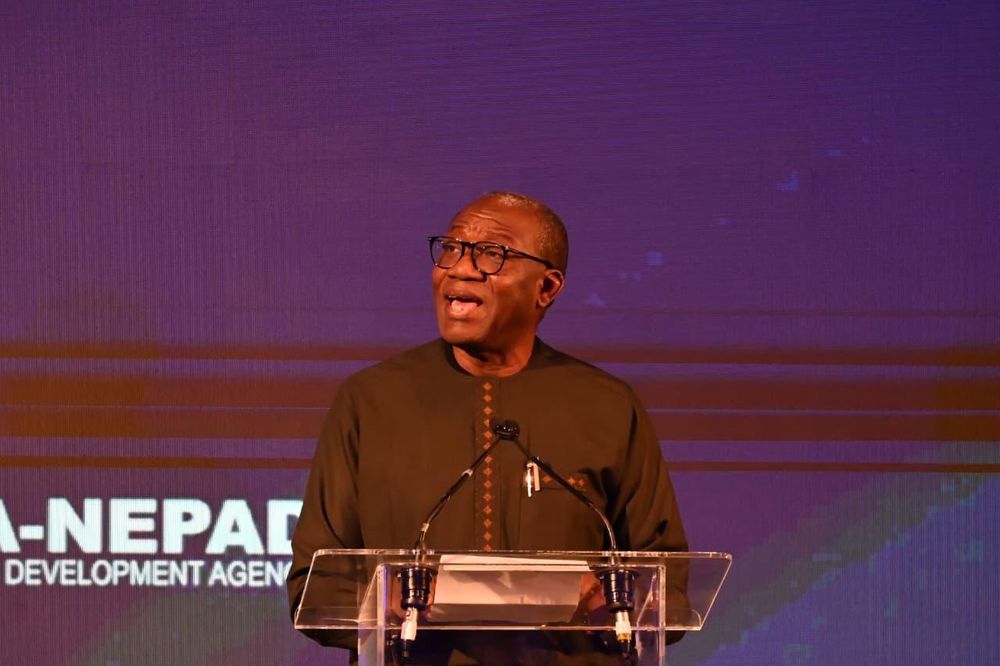
The African Union Commission’s message highlighted former President Thabo Mbeki’s legacy, noting his role in advancing the African Renaissance. It stressed that by 2050, one in four people globally will be African, underscoring the urgency of unity. “Sovereignty outsourced is sovereignty diminished,” warned Nigerian politician Kayode Fayemi, former Ekiti State governor, who called for Africa to shift from “aid diplomacy to interest-based diplomacy.”
Fayemi’s Vision for Africa’s Global Role
Fayemi argued that Africa’s sovereignty depends on capable institutions and leadership. “We must engage globally not merely as recipients of external assistance, but as strategic actors capable of shaping outcomes,” he said. His speech echoed concerns about dependence on external actors, a theme reinforced by the African Union’s emphasis on self-reliance.
The Commission’s message also noted that Africa’s population, expected to exceed 1.5 billion, demands collective action. “We know what it means to millions of Africans who look to Pan-African institutions to facilitate dialogues, engagements, and critical discussions to reimagine the future,” LenkaBula added, framing the lecture as a call to action for renewed solidarity.
Historical Context and Geopolitical Tensions
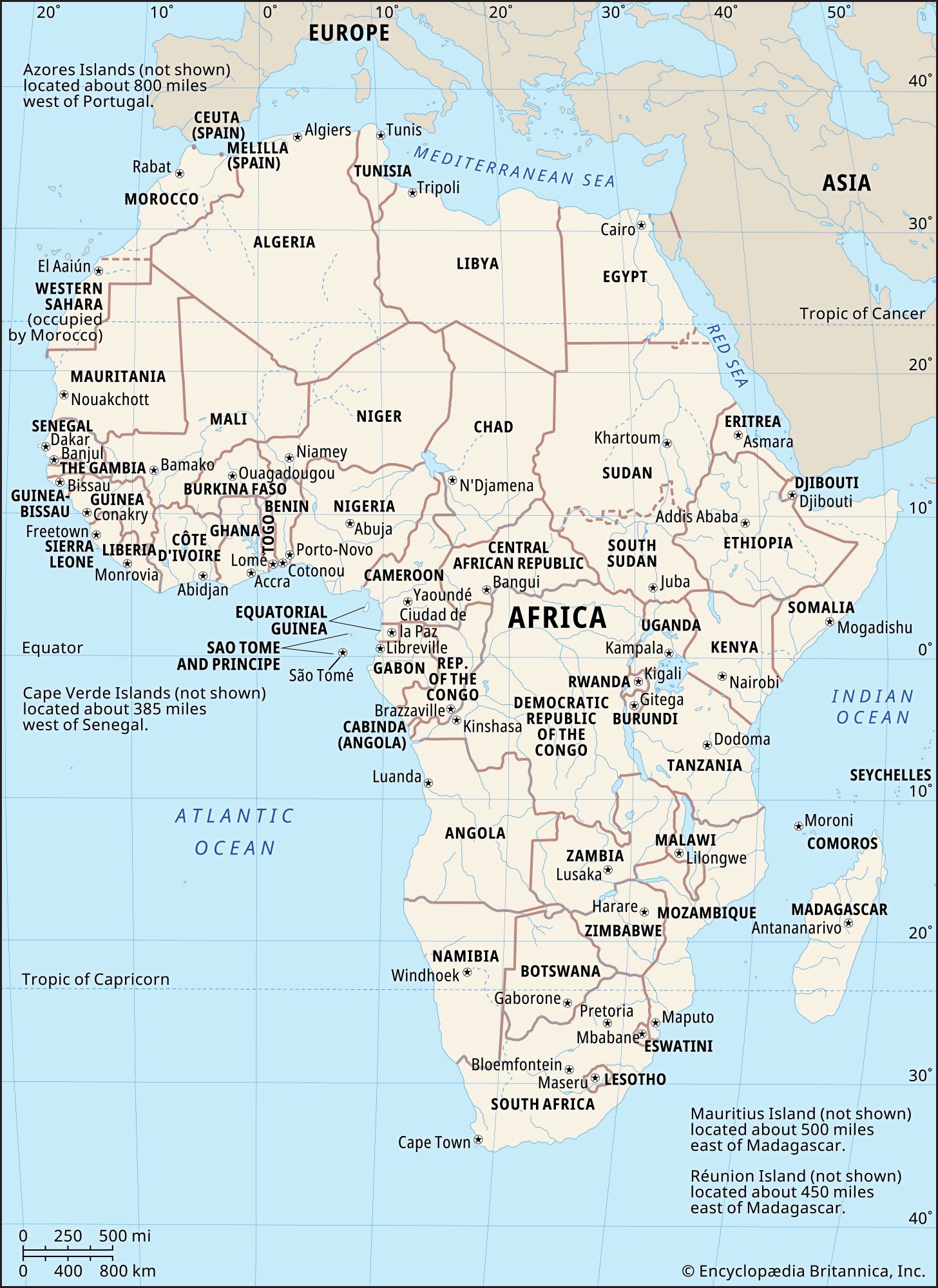
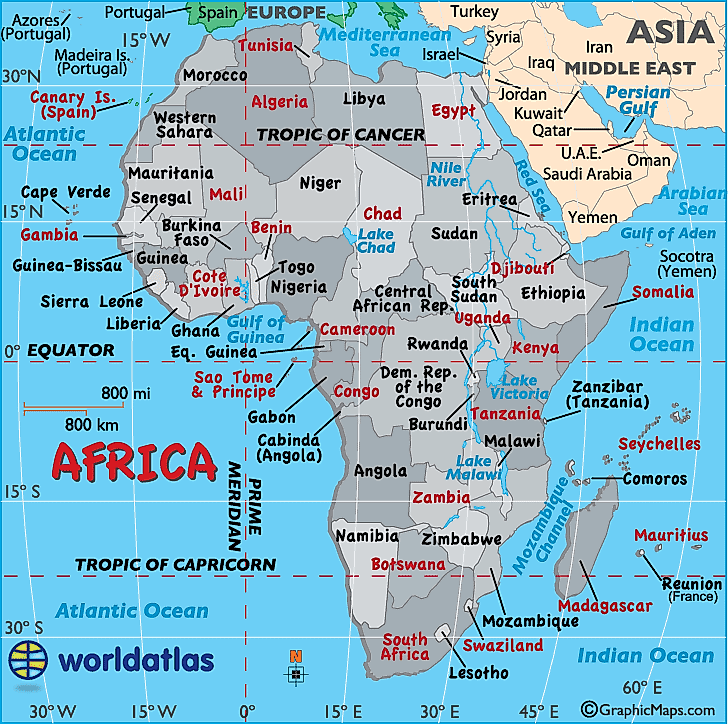
Africa’s historical struggles with fragmentation are mirrored in its modern challenges. The continent’s geographical vastness—spanning 11.7 million square kilometers and home to 54 recognized states—complicates unity efforts. Yet, as Britannica details, Africa’s role as the “birthplace of mankind” and its ancient civilizations, from the Nile Valley to the Kingdom of Mali, underscores its potential for renaissance.
Recent tensions, including xenophobic violence and political instability, have exacerbated divisions. The lecture’s focus on “sovereignty” and “solidarity” reflects a broader push to address these issues. “Africa must increasingly move from aid diplomacy to interest-based diplomacy,” Fayemi reiterated, signaling a shift toward strategic autonomy.
The Path Forward: Institutions and Global Engagement
The lecture’s emphasis on institutional renewal aligns with the African Union’s goals. By 2050, Africa’s demographic dominance could reshape global power dynamics, but only if nations collaborate. “We must engage globally not merely as recipients of external assistance, but as strategic actors capable of shaping outcomes,” Fayemi stressed, advocating for a more assertive African voice in international affairs.
As the continent grapples with Afrophobia and economic challenges, the message from Cape Town is clear: unity is not optional. “What must be done about the wars and the violence that derail and decimate humanity?” LenkaBula asked, leaving the audience with a challenge to reimagine Africa’s future through collective action and institutional strength.
Source 1 | Source 3 | Source African leaders must work together to address the root causes of Afrophobia and economic challenges, reclaiming the continent's vision of unity and prosperity through collective action and institutional strength.
