
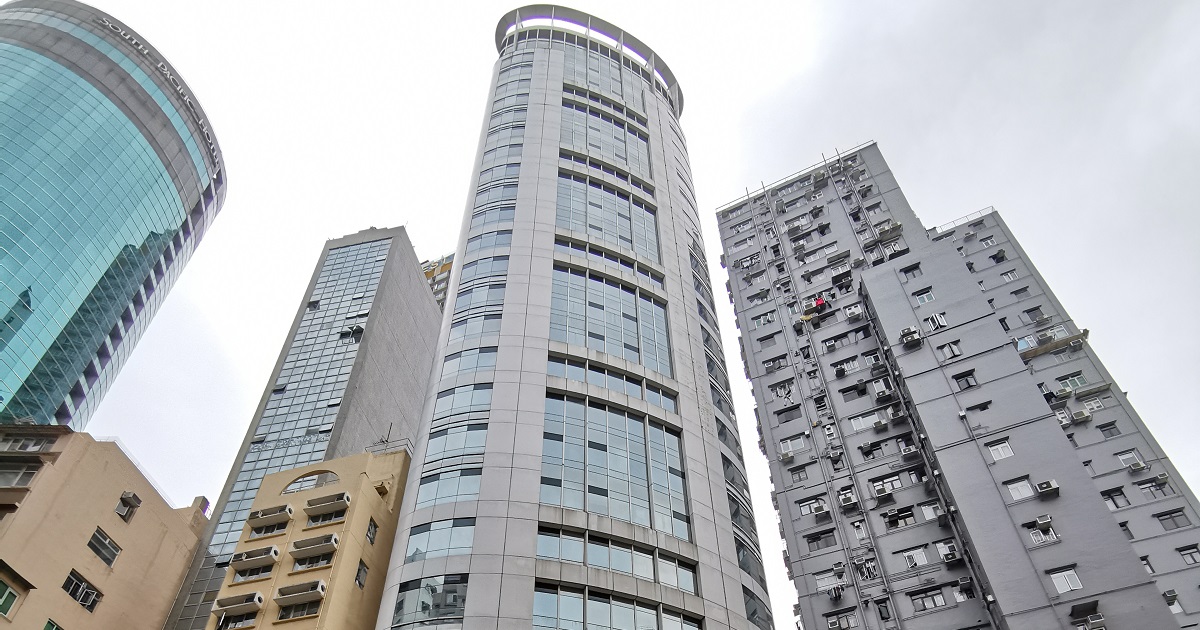
“Ji Hui Group offloads Wan Chai hotel for 3.86 billion HKD after 13 years, marking 42% decline in value, according to multiple reports. The 26-floor property, once a premium youth dormitory, faced financial strain amid shifting market dynamics and unpaid rent disputes.”
Escalating Losses and Market Shifts
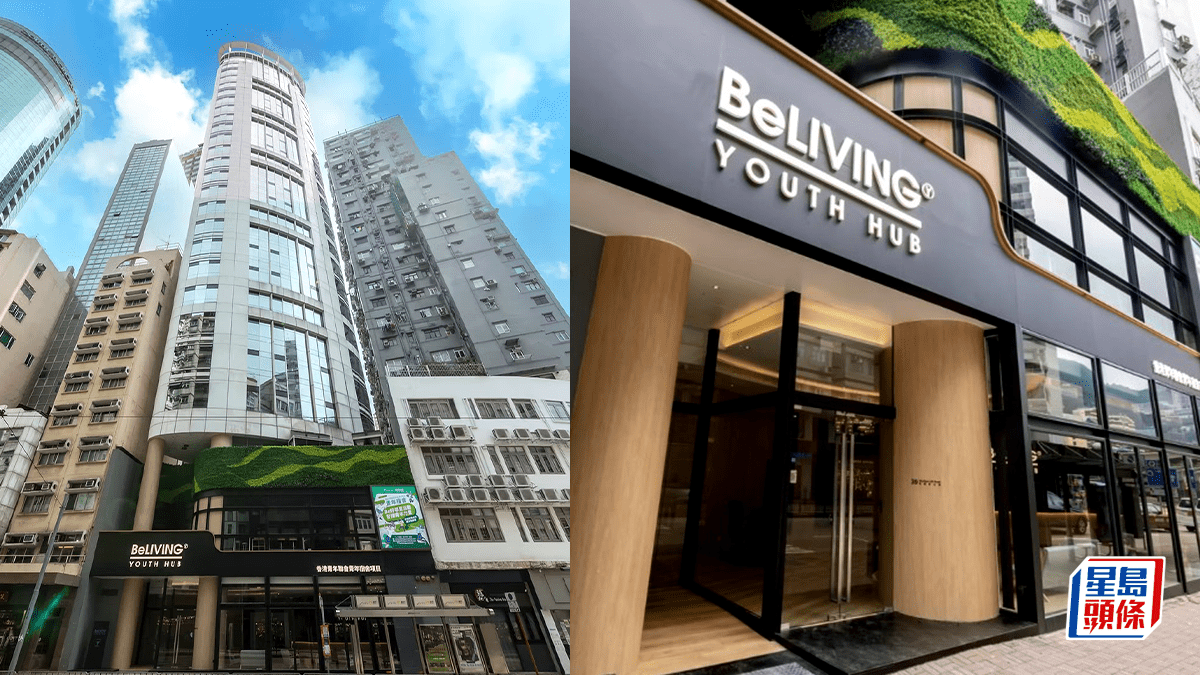
Ji Hui Group’s decision to sell its Wan Chai hotel for 3.86 billion HKD underscores a 42.2% depreciation over 13 years, according to the Hong Kong Economic Journal. The 26-floor building, comprising 98 rooms with sizes ranging from 176 to 324 square feet, had been held since 2013 at a purchase price of 6.68 billion HKD. This sale follows a series of price reductions, including a 2019 attempt to sell at 12 billion HKD and a 2024 listing at 6.3 billion HKD, as reported by Yahoo Finance.
The property’s decline coincided with operational challenges, notably the collapse of its BeLIVING Youth Hub project. According to the South China Morning Post, the youth dormitory faced over 100 million HKD in unpaid rent from the Hong Kong Youth Federation, leading to its shutdown in March 2026. This financial strain, combined with broader market shifts, pushed Ji Hui to liquidate the asset.
Buyer’s Strategic Vision

The transaction, finalized through First Pacific Davies, is attributed to Dash Living, a co-living operator, as noted by the Hong Kong Economic Journal. The firm plans to invest 40-50 million HKD in renovations, repositioning the property as a premium service hotel targeting long-term stays. “The location near Causeway Bay and modern infrastructure make it ideal for high-end hospitality,” said Hu Zishen, a senior director at First Pacific Davies, per the South China Morning Post.
This move aligns with Hong Kong’s evolving real estate landscape, where traditional hotels face pressure from student housing conversions. The market’s supply of premium serviced residences has shrunk, creating opportunities for investors like Dash Living, as highlighted in the Hong Kong Economic Journal.
Ownership History and Financial Context
The hotel’s ownership traces back to a 2013 joint acquisition by Lai Weilin’s Zhengba Group and Ji Hui, with Lai later selling his stake in 2016, according to the South China Morning Post. Its value plummeted from 6.68 billion HKD to 3.86 billion, a 2.82 billion HKD loss, reflecting broader sector challenges.
The property’s earlier use as a youth dormitory, though initially lucrative, collapsed due to tenant disputes. The Hong Kong Economic Journal cited sources indicating the dormitory’s 2026 shutdown left the building vacant, further complicating its marketability.
Market Trends and Investor Implications
Analysts note the sale reflects a structural shift in Hong Kong’s commercial real estate. “Many mid-sized hotels are transitioning to student housing, reducing premium options,” said a property consultant, per the South China Morning Post. This trend has intensified competition for high-quality serviced residences, making assets like this one attractive for repositioning.
For Ji Hui, the sale marks a strategic retreat from underperforming assets. The group’s focus on liquidating holdings aligns with a broader industry pattern of capital reallocation, as seen in recent transactions across the city.
What Comes Next?
The transaction’s success hinges on Dash Living’s renovation plans and the demand for premium serviced accommodations. With Causeway Bay’s appeal to business travelers and professionals, the property’s future could signal a niche recovery in the sector. However, market volatility and regulatory changes remain risks.
For investors, the deal highlights the importance of adaptive strategies in Hong Kong’s dynamic real estate environment. As noted by the Hong Kong Economic Journal, the sale underscores the need for flexibility in navigating shifting tenant demands and operational challenges.
The case also raises questions about the long-term viability of youth housing models, given the recent dormitory’s financial woes. With Dash Living’s investment, the property’s fate may offer a blueprint for other underperforming assets in the region.
“Ji Hui’s exit reflects both the challenges and opportunities in Hong Kong’s real estate market. While the loss is significant, the transaction highlights the potential for repositioning underutilized assets in a rapidly changing environment.”
“The location and infrastructure make it ideal for high-end hospitality,” said Hu Zishen, a senior director at First Pacific Davies, per the South China Morning Post.
