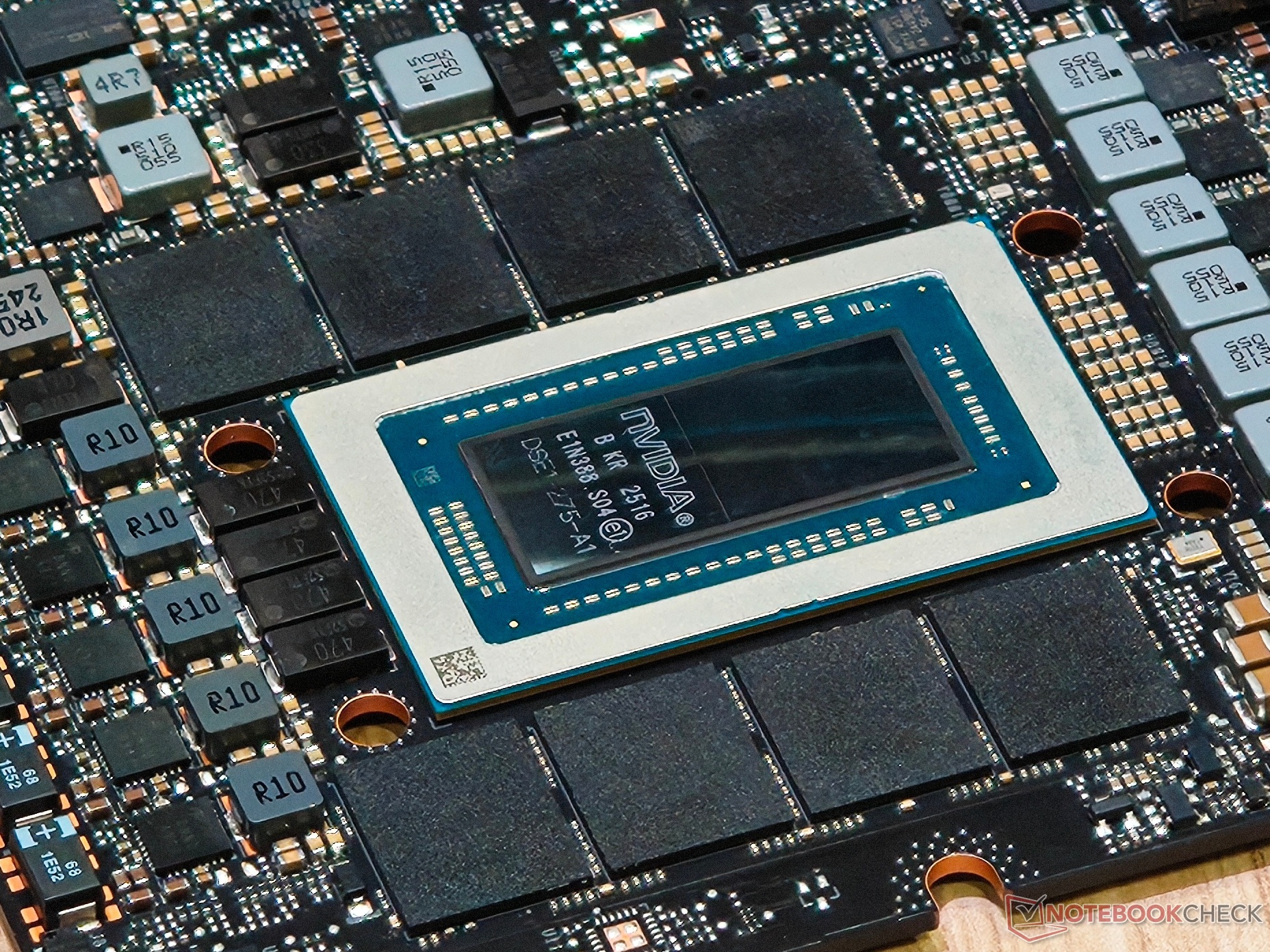
Nvidia officially debuted the RTX Spark at the Computex 2026 opening, marking the company’s first entry into the consumer central processor market. Developed with MediaTek, the ARM-based chip features a 20-core CPU and an integrated GPU with 6144 CUDA cores, aiming to challenge Intel, AMD, and Qualcomm in the Windows PC sector.
The Architecture of the RTX Spark
cluster (priority): Notebookcheck Magyarország
The RTX Spark represents a strategic shift for Nvidia, moving beyond its traditional dominance in graphics processing to take on the role of a primary system-on-chip provider. According to PCW Plus, the chip is built on an ARM architecture and is divided into two main modules: a 20-core CPU developed in partnership with MediaTek and an integrated GPU module containing 6144 CUDA cores. This hardware is designed to support high-performance tasks, including local AI agent execution, which the company frames as a central pillar of the new platform.
The system utilizes a unified memory architecture, providing 128 GB of RAM accessible to both the CPU and the GPU via NVLink C2C technology. This configuration supports data transfer speeds of up to 600 GB/s. The platform is engineered to support a suite of Nvidia standards, including CUDA, TensorRT, ray tracing, DLSS, Reflex, and G-Sync. Notably, the chip’s FP4 AI performance reaches 1 Petaflops, underscoring its focus on machine learning workloads.
Strategic Alignment and Market Ambitions
cluster (priority): Vietnam.vn
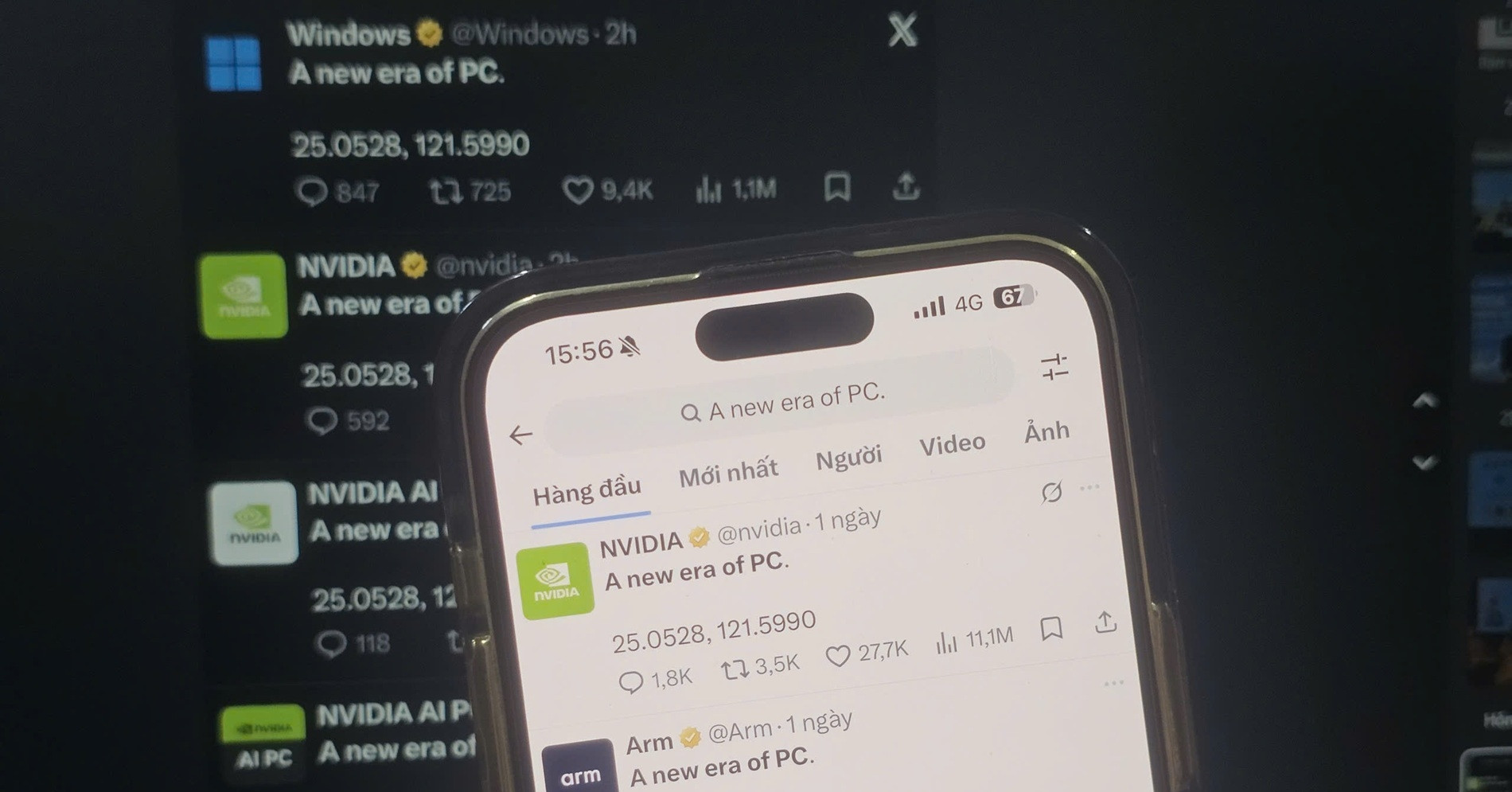
The release follows a period of intense coordination between Nvidia, Microsoft, and Arm. As reported by Vietnam.vn, these three companies synchronized their messaging on the X platform, simultaneously posting the phrase “A new era of the PC.” This coordinated marketing effort suggests a unified attempt to revitalize the ARM-based Windows segment, which has struggled to gain traction against Apple’s proprietary silicon.
Nvidia’s entry into the CPU market is not entirely new; the company previously provided chips for the 2012 Surface RT tablets. However, the RTX Spark marks its first attempt to serve as a primary processor for the broader PC ecosystem. Portfolio.hu highlights that this move is particularly significant for Microsoft, which is seeking a reliable partner after the lukewarm reception of its initial Copilot+ PC initiative and the subsequent delay of the Recall feature due to privacy concerns.
Performance Tiers and Technical Leakage
Deep Dive into Nvidia's DGX Spark GB10
Ahead of the official unveiling, technical details regarding the N1 and N1X series were widely circulated. According to Notebookcheck Magyarország, the lineup includes at least four variants. The flagship N1X utilizes a 20-core configuration—comprising ten Cortex-X925 performance cores and ten Cortex-A725 efficiency cores—designed for a power envelope between 45W and 80W.
The standard N1 series targets thinner, more mainstream devices with lower power requirements, ranging from 18W to 45W. These units feature scaled-down CPU and GPU configurations, with memory support capped at 64 GB for the standard models, compared to the 128 GB supported by the N1X. The presence of these multiple tiers suggests that Nvidia intends to compete across a wide range of price points, from high-end workstations to ultra-portable laptops.
Challenges to Adoption and Future Outlook
Despite the technological promise of the RTX Spark, industry analysts urge caution regarding its immediate market impact. Notebookcheck Magyarország cites Ming-Chi Kuo, who projects that shipments for these devices will reach approximately 10 million units by 2028. However, Kuo notes that hardware specifications alone may not be sufficient to trigger a massive PC upgrade cycle.
The primary obstacles include potential price points and the maturity of the Windows software ecosystem. Currently, the most significant market activity in 2026 has been driven by the Apple MacBook Neo, which saw its 2026 shipment forecast double to 10 million units. This success is attributed to the device’s $599 price point and deep integration within the Apple ecosystem. For Nvidia and its partners, the challenge will be proving that local AI capabilities offer enough utility to justify a shift away from established x86 platforms and cloud-based AI services.
ail: emily.johnson@headlinez.news
Bio:
Emily Johnson serves as News Editor at Headlinez.News, overseeing the publication’s coverage of national and breaking stories. She has worked in journalism for more than 12 years, building a reputation for precision, credibility, and rapid-response reporting. Emily’s editorial philosophy focuses on clear, fact-based writing that helps readers understand the full context behind the day’s most important events. Her expertise bridges traditional reporting and modern digital news strategies.
Expertise: Breaking news, political reporting, fact-checking, newsroom coordination, public affairs.
Location: Washington, D.C., USA