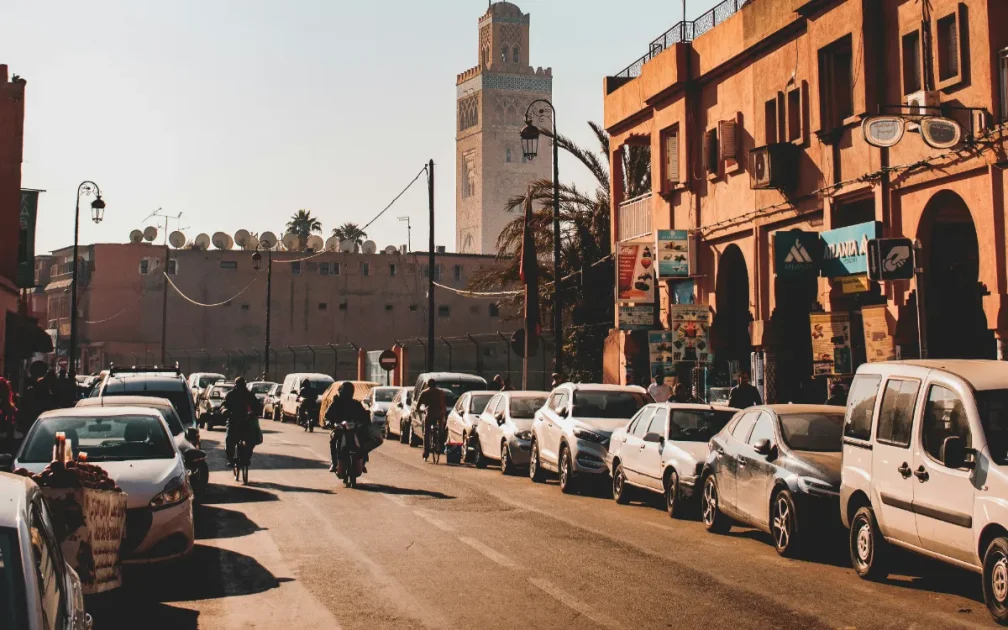
Starting Sunday, June 1, 2026, Moroccan motorists will see a reduction in the price of diesel by 53 centimes per liter. While gasoline prices remain stable at approximately 14.55 dirhams per liter, the adjustment to diesel brings the cost down to roughly 13.97 dirhams, providing relief to the transport and logistics sectors.
A Targeted Adjustment for Diesel Consumers
The latest fuel price revision, set to take effect at 00:01 on June 1, marks a notable shift for the Moroccan market. According to information shared by professionals in the sector, the reduction is exclusive to diesel, which will drop by 53 centimes per liter. This brings the price at most major service stations to approximately 13.97 dirhams, a decrease from the recent levels of nearly 14.50 dirhams, as reported by Le Matin.ma.
For those driving gasoline-powered vehicles, the price remains unchanged at approximately 14.55 dirhams per liter. This divergence in pricing highlights the specific volatility currently affecting diesel, which serves as the primary fuel for the country’s heavy transport, agriculture, and logistics industries. As noted by Bladi.net, the adjustment follows a period of fluctuating prices throughout May, which included a significant decrease at the start of the month followed by a 50-centime increase for gasoline on May 16.
Economic Context and Global Market Volatility
The persistent fluctuation in fuel prices at the pump is a direct reflection of international energy market instability. Distributors maintain that these price adjustments are dictated by global crude oil quotations and the rising costs of procurement, both of which remain tethered to international geopolitical uncertainties. While the current 53-centime reduction offers a measure of relief, industry observers emphasize that energy costs remain significantly higher than they were prior to the energy crises that have impacted the global economy over the last several years.
This reality is particularly felt by the Moroccan economy, which transitioned away from universal fuel subsidies over a decade ago. Between 2013 and 2015, the government undertook a significant reform to liberalize fuel prices, a move intended to alleviate the massive pressure the Caisse de compensation placed on the national budget. As Finances News Hebdo reports, the subsidy system had reached a breaking point in 2012, when compensation expenses hit nearly 56 billion dirhams.
The Long-term Impact of Market Liberalization
A new drop in diesel prices is expected starting from… #Drop #Fuel #Morocco #fyp
The decision to end universal subsidies was designed to protect the state’s fiscal health, but it fundamentally altered the relationship between Moroccan households and the global energy market. Mohammed Jadri, an economist and director of the Observatoire de l’action gouvernementale, notes the dual nature of this shift:
The system of generalized subsidies represented a very heavy burden for public finances, especially in a context of rising international oil prices. At certain times, the compensation absorbed tens of billions of dirhams, limiting the state’s ability to finance other social priorities like health, education, or social protection.Mohammed Jadri, Director of the Observatoire de l’action gouvernementale, via Finances News Hebdo
While the reform succeeded in stabilizing the budget, it also left the domestic economy vulnerable to external shocks. Following the post-COVID-19 recovery and the onset of the conflict in Ukraine, Morocco experienced significant inflationary pressure. In 2022, inflation reached 6.6%, and diesel prices climbed past 16 dirhams per liter, creating a ripple effect that increased costs for everything from food to basic daily necessities.
Future Outlook for Moroccan Fuel Prices
As of late May 2026, the market remains in a state of high sensitivity. The upcoming price trajectory will depend largely on external factors beyond the control of local distributors. With the memory of 2022’s price spikes still fresh, the current 53-centime reduction is viewed as a necessary, if modest, correction.
For the transport and agricultural sectors, which remain the backbone of the Moroccan economy, each centime of reduction is a vital component of operational planning. However, until global energy markets demonstrate sustained stability, consumers and businesses alike should anticipate continued volatility. As H24info has consistently tracked, the reliability of information regarding these shifts remains a priority for a public that has become increasingly accustomed to monitoring global oil trends to manage their personal and professional budgets.
ail: emily.johnson@headlinez.news
Bio:
Emily Johnson serves as News Editor at Headlinez.News, overseeing the publication’s coverage of national and breaking stories. She has worked in journalism for more than 12 years, building a reputation for precision, credibility, and rapid-response reporting. Emily’s editorial philosophy focuses on clear, fact-based writing that helps readers understand the full context behind the day’s most important events. Her expertise bridges traditional reporting and modern digital news strategies.
Expertise: Breaking news, political reporting, fact-checking, newsroom coordination, public affairs.
Location: Washington, D.C., USA