
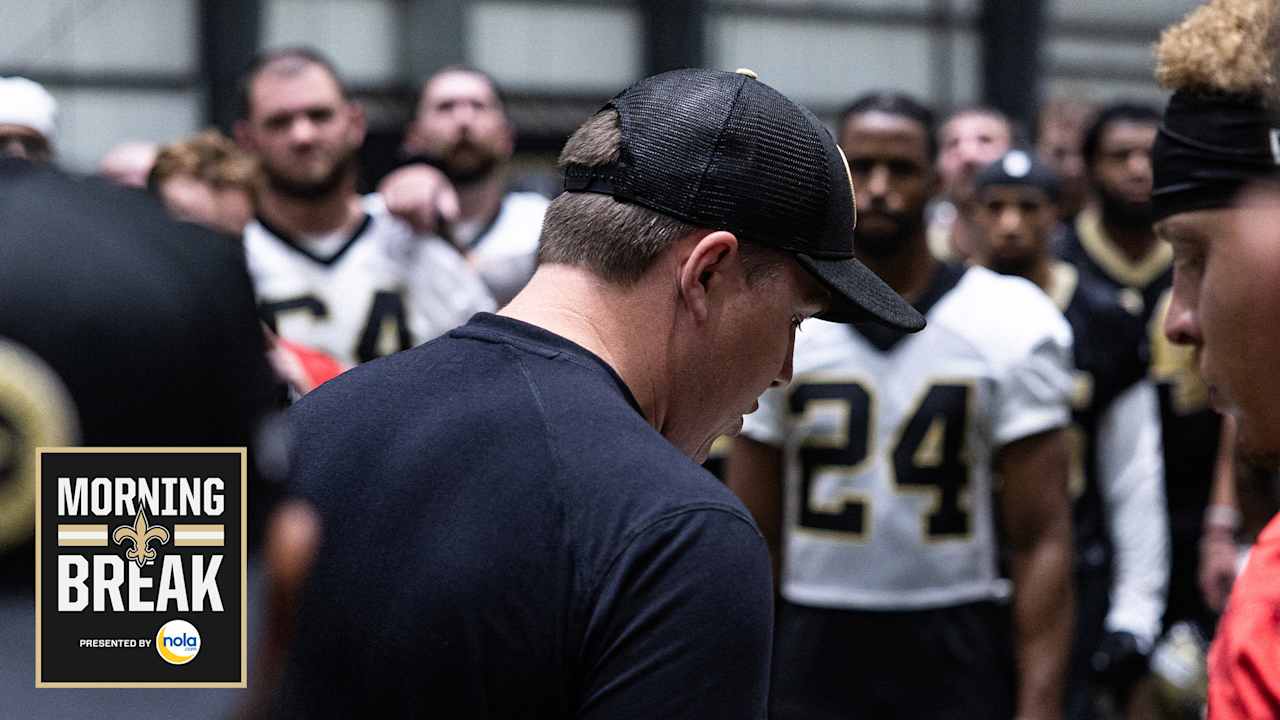
The Manning name is synonymous with quarterback excellence, but what defines greatness for the next generation of signal-callers? This article examines the evolving landscape of NFL quarterbacking, exploring how dual-threat abilities, advanced analytics, and cutting-edge training are shaping the future of the position and the very definition of quarterback greatness. Discover the innovative strategies redefining the game and how the legacy of quarterbacks like the Mannings is paving the way.
The Manning Legacy: What the Future Holds for Quarterback Greatness
Table of Contents
The Manning family. The name itself conjures images of gridiron glory, strategic brilliance, and a legacy etched in NFL history.From Archie’s early days to Peyton and eli’s Super Bowl triumphs, the Mannings have redefined quarterback play. But what dose the future hold for the next generation of signal-callers? Let’s delve into the evolving landscape of quarterbacking and explore the potential trends shaping the game.
The Rise of the Dual-Threat Quarterback
The modern NFL is increasingly favoring quarterbacks who can excel both as passers and runners. This shift is driven by the success of players like Patrick Mahomes and Lamar Jackson, who can extend plays with their legs and create opportunities outside the pocket. This trend is likely to continue, with teams prioritizing athleticism and mobility when scouting and drafting quarterbacks.
Pro Tip: Keep an eye on college programs that emphasize quarterback development with a focus on both passing and running skills. These programs are often breeding grounds for future NFL stars.
Did you know? The average rushing yards per game for quarterbacks has steadily increased over the past decade, reflecting the growing importance of mobility in the position.
The Impact of Advanced Analytics and Data
The use of data analytics is revolutionizing every aspect of the game, and quarterback play is no exception. Teams are using advanced metrics to evaluate quarterbacks, optimize play-calling, and identify areas for improvement. This includes analyzing things like completion percentage over expected (CPOE), time to throw, and pressure rates. This data-driven approach is leading to more informed decisions about player development and game strategy.
Case Study: The Philadelphia Eagles’ success with Jalen Hurts is a prime example. The team has used analytics to tailor their offensive scheme to his strengths, maximizing his running ability and improving his passing efficiency.
The Evolution of Quarterback Training and Development
Quarterback training is becoming increasingly specialized and sophisticated. From biomechanics analysis to mental conditioning, quarterbacks are receiving complete training to optimize their performance. This includes working with quarterback coaches, strength and conditioning specialists, and sports psychologists. The focus is on developing not only physical skills but also mental toughness, decision-making abilities, and leadership qualities.
Reader Question: How can young quarterbacks best prepare for the demands of the NFL?
Answer: Focus on developing a strong foundation of fundamentals, including proper throwing mechanics, footwork, and understanding of offensive concepts. seek out experienced coaches and mentors who can provide personalized guidance and feedback.
The Role of Technology in Quarterback Play
Technology is playing an increasingly important role in quarterback play. Virtual reality (VR) training is being used to simulate game situations and improve decision-making skills. Wearable sensors are providing real-time data on player performance, allowing coaches to monitor fatigue levels and identify areas for improvement. These technological advancements are helping quarterbacks to refine their skills and gain a competitive edge.
Example: Several NFL teams are using VR to allow quarterbacks to practise reading defenses and making rapid decisions in a controlled surroundings.
The Importance of mental Fortitude
The mental aspect of quarterbacking is more critical than ever. the ability to handle pressure, make quick decisions under duress, and maintain composure in high-stakes situations is essential for success. Quarterbacks are increasingly working with sports psychologists to develop mental toughness and resilience. This includes techniques for managing stress, improving focus, and building confidence.
Did you know? Peyton Manning was renowned for his meticulous planning and ability to read defenses, which gave him a notable advantage on the field.
The future is Shining
The quarterback position is constantly evolving, and the future promises even more innovation and excitement. As teams continue to embrace new technologies, analytical insights, and training methods, we can expect to see even more talented and versatile quarterbacks emerge. The legacy of the Mannings serves as a testament to the enduring importance of quarterback play in the NFL, and the next generation is poised to build upon their success.
What are your thoughts on the future of quarterback play? Share your predictions and insights in the comments below!
