
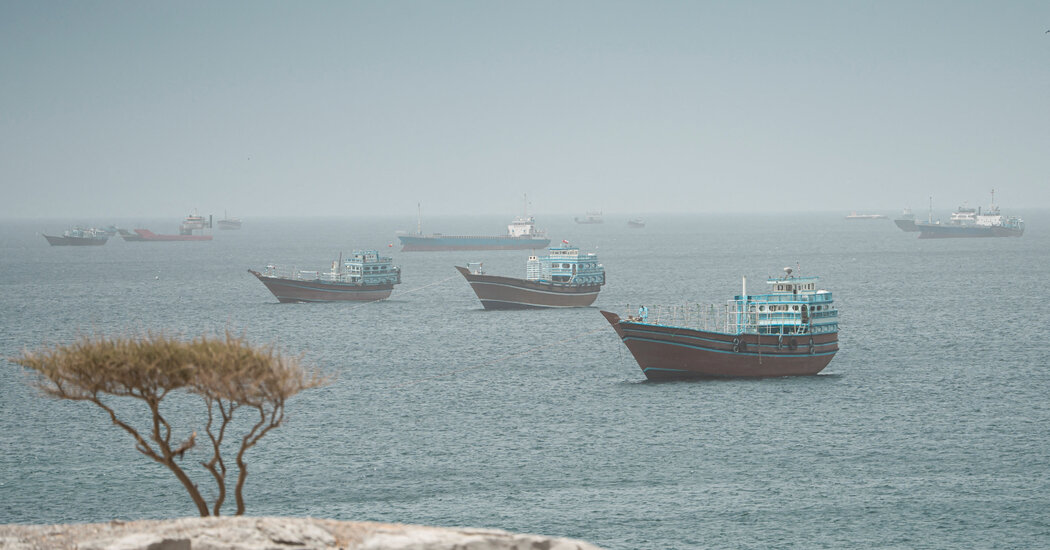
President Donald Trump announced this weekend that the United States and Iran have negotiated a broad, though not yet finalized, agreement aimed at de-escalating tensions and reopening the Strait of Hormuz. While the deal remains subject to final details, it marks a significant shift in diplomatic posture between Washington and Tehran.
A Fragile Path Toward De-escalation
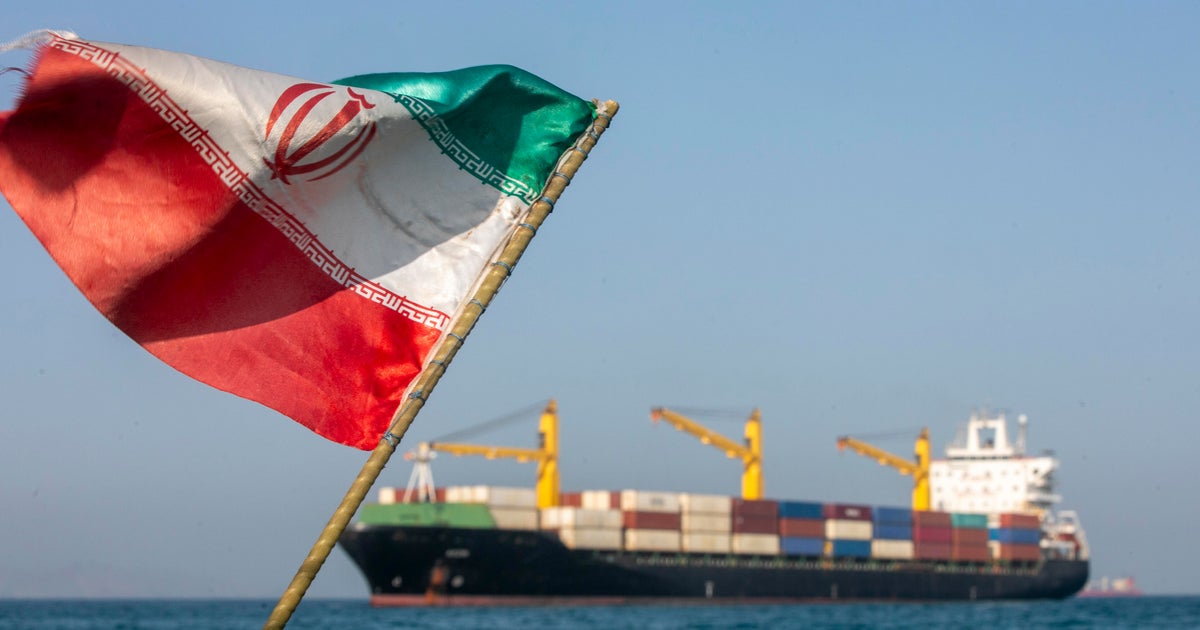
The current diplomatic breakthrough follows months of heightened conflict. For the United States, the primary objective is the restoration of transit through the Strait of Hormuz, a critical maritime corridor that handles a quarter of the world’s oil. According to reports from the New York Times, the arrangement appears designed to extend an existing cease-fire and provide immediate relief to global energy markets.
The stakes are high for both capitals. The Iranian economy has faced severe pressure due to the loss of oil revenue, while the American political landscape remains sensitive to fuel costs heading into the November midterm elections. Despite these pressures, the administration has signaled that this is not a comprehensive peace or nuclear treaty, but rather a tactical de-escalation.
President Trump, addressing the progress on his social media platform, suggested that the pressure for a swift resolution is not absolute.
“The negotiations are proceeding in an orderly and constructive manner, and I have informed my representatives not to rush into a deal in that time is on our side.”President Donald Trump, via New York Times
Until the final wording is certified by both the Trump administration and Iranian leadership, the blockade will remain in effect, according to ABC News. The President has explicitly stated that his current approach is the “exact opposite” of the 2015 Joint Comprehensive Plan of Action (JCPOA), which he previously withdrew the United States from during his first term.
Stalemate at the United Nations
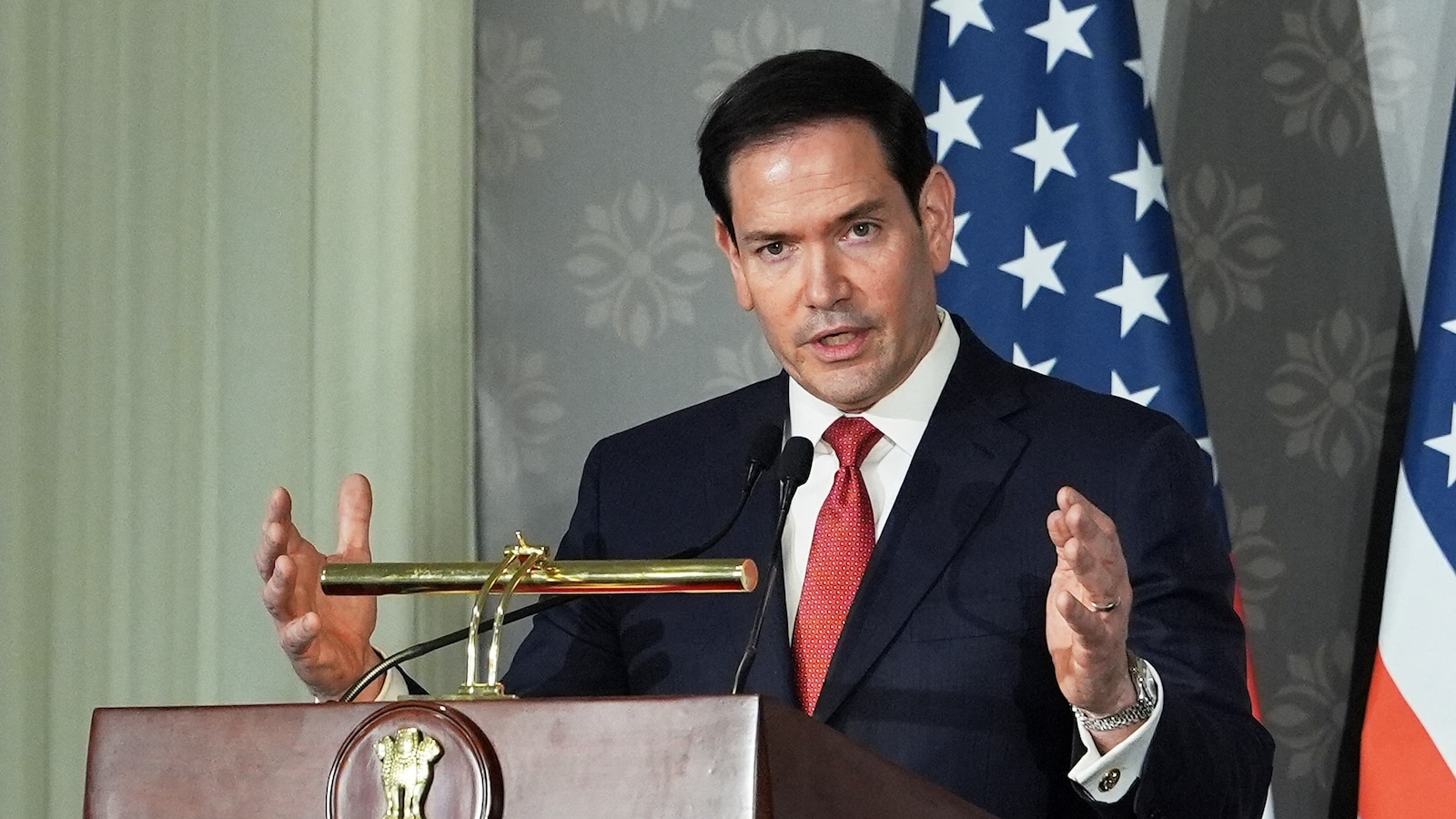
While bilateral talks progress, the international community remains divided at the United Nations. Secretary of State Marco Rubio has been working to secure a Security Council resolution regarding the Strait of Hormuz, which would condemn Iran’s efforts to impose tolls on commercial vessels and address the placement of sea mines.
Rubio expressed frustration regarding the potential for obstruction within the Council, noting that some member nations are considering vetoing the measure.
“Unfortunately, a couple of countries on the Security Council are thinking about vetoing it. That would be lamentable.”Secretary of State Marco Rubio, via CBS News
Rubio emphasized that the draft resolution has received broad support, claiming it has “the highest number of co-sponsors of any resolution ever” at the Council. He remains hopeful that a global consensus can be reached, challenging the viability of the current UN framework in the face of persistent geopolitical friction. The diplomatic maneuvering at the U.N. reflects the broader difficulty in aligning international interests; while the U.S. seeks a multilateral condemnation of Iranian maritime tactics, the resistance from select Security Council members underscores the limitations of using the U.N. as a primary lever for regional security in the current crisis.
Deep Underground and Out of Sight
Despite the optimism regarding a potential deal, the underlying military reality remains unchanged. Iran currently holds more than 11 tons of nuclear fuel, including roughly 970 pounds of material that is near bomb-grade. Much of this inventory is reported to be stored in hardened, deep-underground facilities. These sites represent a primary concern for U.S. military planners, as the concealment of nuclear material complicates the verification process for any potential future inspection regime.
Internal Iranian communication also appears hindered by the ongoing security situation. U.S. intelligence officials have indicated that Iran’s Supreme Leader, Mojtaba Khamenei, is currently staying in an undisclosed location to evade assassination attempts. Access to the Supreme Leader is restricted to a small circle of couriers, a reality that has complicated the ability of Iranian officials to coordinate effectively with their American counterparts. The physical isolation of the Supreme Leader has created a “bottleneck” in decision-making, according to officials familiar with the intelligence, as every major concession in the current negotiations requires direct or high-level authorization from his inner circle.
This logistical challenge has forced U.S. negotiators to rely on back-channel communication, often mediated by third-party nations, to convey urgency and verify the intent of the Iranian leadership. The reliance on intermediaries increases the risk of misinterpretation, particularly as both sides attempt to calibrate their military posturing in the Strait of Hormuz against the fragile progress of the diplomatic talks.
For now, the status quo remains a volatile mixture of back-channel diplomacy and economic strangulation. Both the United States and Iran are navigating a reality where, as President Trump noted, the relationship is becoming “much more professional and productive,” yet the foundational disagreements regarding nuclear capabilities and regional influence remain largely unaddressed. The administration maintains that while the current tactical agreement is a necessary step to stabilize the maritime corridor, it does not alleviate the long-term strategic challenges posed by Iran’s nuclear inventory or its regional activities. As the clock ticks toward the November midterms, the White House is balancing the need for a tangible foreign policy victory with the risks inherent in a deal that, by the President’s own admission, is not yet a final, binding treaty. The coming days will likely determine whether the existing momentum can overcome the internal political obstacles in both Washington and Tehran, or if the current de-escalation will prove to be merely a temporary pause in a much larger, unresolved conflict.
