
The Future of law Enforcement: Trends and Challenges in a Changing World
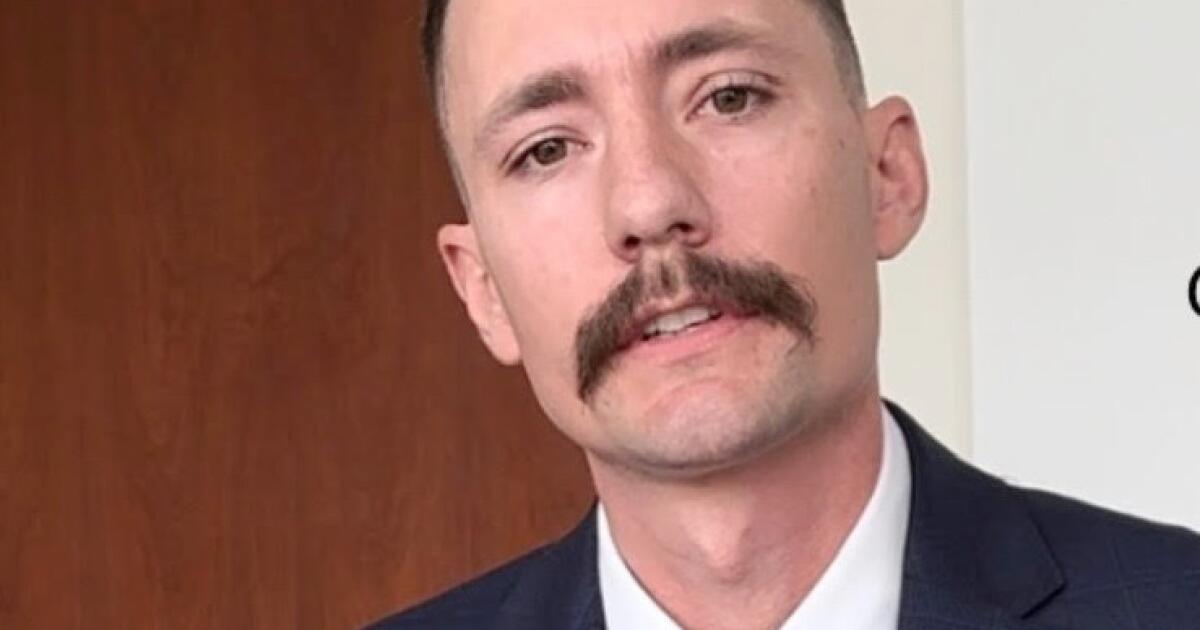
The case of Los Angeles County Sheriff’s deputy Trevor Kirk, as detailed in the provided article, highlights critical issues in law enforcement, including excessive force, prosecutorial discretion, and the influence of political factors. Understanding these elements is crucial for anticipating future trends in policing and the justice system. Let’s delve into the potential future of law enforcement, examining key areas and emerging challenges.
Accountability and Transparency: The Rise of Body Cameras and Public Scrutiny
One of the most significant trends is the increasing demand for accountability and transparency within law enforcement. Body-worn cameras (BWCs) have become standard in many departments, providing crucial evidence in use-of-force incidents. The article underscores the importance of video evidence in the Kirk case, with the judge citing footage as key to the jury’s decision.
Pro Tip: Law enforcement agencies should adopt clear policies on BWC usage, including when to activate cameras, data retention, and public access to footage.
Real-Life Example: The city of Chicago implemented a comprehensive BWC program, but faced challenges related to data management and public access. The city is now working to improve its policies to ensure greater transparency and accountability.
Beyond BWCs, public scrutiny is intensifying. social media, citizen journalism, and independent oversight bodies are playing a larger role in monitoring police conduct. This increased scrutiny necessitates a shift towards more open and obvious practices.
Use of Force: De-escalation Training and community Policing
The Kirk case highlights the critical issue of excessive force. Future trends point towards a greater emphasis on de-escalation techniques and alternatives to force.
Did you know? Many police departments are now incorporating de-escalation training into their curricula, teaching officers how to manage tense situations without resorting to force.
Community policing, which emphasizes building relationships between officers and the communities thay serve, is also gaining traction. This approach aims to foster trust and reduce the likelihood of confrontations.
Case Study: The city of Camden, New Jersey, dissolved its police department and rebuilt it with a focus on community policing. The results included a significant drop in crime rates and a decrease in use-of-force incidents.
Political Influence and Prosecutorial Discretion: Navigating the Complexities
The article reveals the potential for political influence in the justice system, notably in the handling of cases against law enforcement officers. The involvement of the new U.S. Attorney and the unusual steps taken in the Kirk case raise concerns about impartiality.
Reader Question: How can we ensure that political considerations do not undermine the integrity of the justice system?
Future trends may involve greater scrutiny of prosecutorial decisions and efforts to insulate the justice system from political interference.Independent review boards and stricter ethical guidelines for prosecutors could become more common.
Data Point: A recent study by the National Association of Attorneys General found that public trust in the justice system is declining, with concerns about political influence cited as a major factor.
Technological Advancements: AI, Data Analytics, and Predictive Policing
Technology is rapidly transforming law enforcement. Artificial intelligence (AI) and data analytics are being used for crime prediction, resource allocation, and identifying patterns of misconduct.
Did you know? Some police departments are using AI to analyze body camera footage and identify instances of potential misconduct.
However, these advancements also raise ethical concerns. The use of predictive policing algorithms has been criticized for potentially perpetuating biases and disproportionately targeting certain communities.
Pro Tip: Law enforcement agencies must prioritize transparency and fairness when implementing new technologies,ensuring that algorithms are free from bias and that data is used responsibly.
The Evolving Role of Law Enforcement: Mental Health and Social Services
Law enforcement is increasingly being called upon to address issues beyond customary crime-fighting, such as mental health crises and homelessness.
Case Study: Many police departments are partnering with mental health professionals to create co-responder programs, were officers and mental health experts respond to calls together.
This trend suggests a need for officers to receive training in areas like crisis intervention,de-escalation,and social work. The future of law enforcement may involve a greater integration of social services and a shift towards a more holistic approach to public safety.
the case of Deputy Kirk serves as a reminder of the complexities and challenges facing law enforcement today. By understanding these trends and addressing the underlying issues, we can work towards a more just and effective justice system.
Want to learn more? Explore our other articles on law enforcement, criminal justice reform, and social justice issues. Subscribe to our newsletter for updates and insights.
