
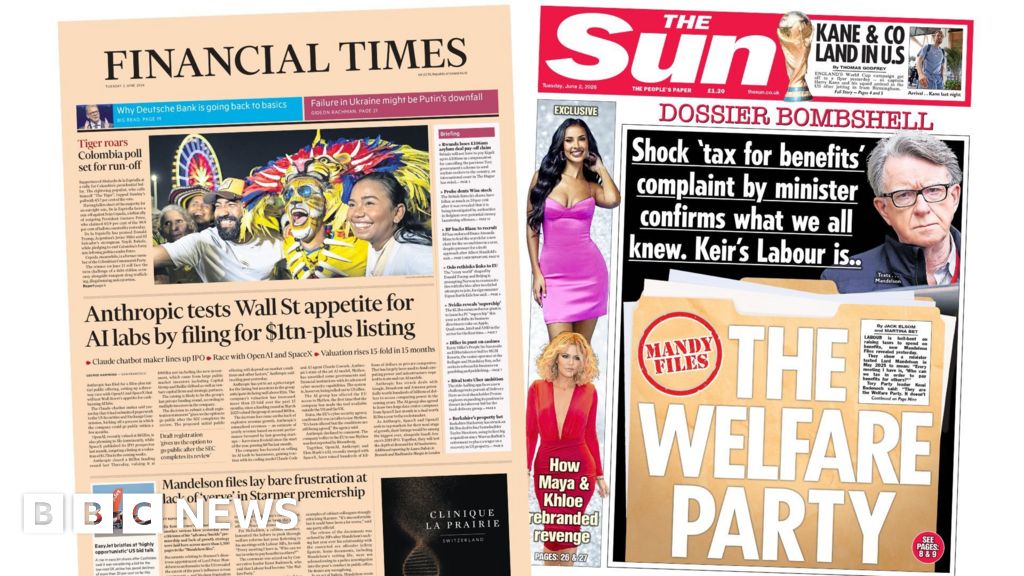
MPs in the UK agreed to release Peter Mandelson’s diplomatic files to the Intelligence and Security Committee (ISC) after backbench pressure, marking a pivotal moment in the ongoing scrutiny of the former Labour minister’s ties to controversial figures and policies. The decision, finalized on February 4, 2026, followed intense parliamentary debate over whether sensitive documents should be made public, with some ministers initially seeking to block disclosures deemed “prejudicial to UK national security or international relations.”
Files Reveal Epstein Ties, Political Frustrations
The Mandelson papers, now under ISC review, include correspondence and financial records that shed light on his 2003-2004 interactions with financier Jeffrey Epstein. Bank documents cited in The New Yorker show Epstein transferred $75,000 to accounts linked to Mandelson and his partner, Reinaldo Avila da Silva, over two years. Mandelson, who later denied knowledge of the payments, had previously described Epstein as “my best pal” in a 2003 tribute book. The files also reveal his 2008 return to a senior Labour role under Gordon Brown, a move Brown justified as necessary for “serious times” amid the financial crisis.

The documents also highlight Mandelson’s clashes with Labour’s current leadership. In 2023, Work and Pensions Secretary Pat McFadden quoted a common frustration among ministers: “Every meeting I have is: Who can we tax in order to pay benefits to others? They’re asking the wrong questions.” This critique, reported by BBC News, reflects broader tensions within the party over tax policy and welfare reform.
ISC Oversight and Political Fallout
The ISC’s role in vetting the files has sparked controversy. Conservative MPs accused Prime Minister Keir Starmer of ceding control to the committee, with one claiming, “Kemi is calling the shots,” referencing Foreign Secretary Kemi Adeyemi. Labour’s Paula Barker called the government’s original plan to restrict disclosures “ashaming,” while shadow minister Alex Burghart urged the ISC to “decide what Mandelson material is released.” The final agreement, brokered after amendments, allows the ISC to act independently, though ministers retain the right to block specific documents.

The Scottish government has also ordered reviews of its dealings with Mandelson, signaling the files’ broader political implications. Meanwhile, the Metropolitan Police reportedly requested that No. 10 withhold “certain documents” to avoid undermining ongoing investigations, according to The Guardian. The tension between transparency and security underscores the files’ potential to reshape public trust in political institutions.
Historical Context: The 2009 Bonus Tax and Banking Anger
The Mandelson files also rekindle memories of the 2009 banker bonus tax, a policy that drew fierce backlash from financial institutions. Chancellor Alistair Darling, in his 2011 memoir, recounted calls from executives like JPMorgan’s Jamie Dimon, who criticized the tax as a threat to London’s financial standing. “He was very, very angry,” Darling wrote, noting Dimon’s concern that the policy could deter U.S. banks from expanding in the UK. The New Yorker suggests Mandelson’s communications may have amplified such pressures, linking his network to the broader backlash against regulatory reforms.
This episode mirrors current debates over economic policy, with critics arguing that the Labour government’s focus on taxing wealthier citizens risks alienating key sectors. The Mandelson files, now under parliamentary scrutiny, could provide fresh insight into how such tensions have evolved over two decades.
What’s Next? The ISC’s Role and Public Scrutiny
The ISC’s investigation into Mandelson’s files is expected to span several weeks, with final decisions on disclosures likely by mid-2026. The committee’s findings may influence wider discussions about diplomatic transparency and the ethical boundaries of political alliances. Meanwhile, Mandelson’s legal team has yet to comment on the financial records, though his 2023 marriage to Avila da Silva—now a focus of public interest—could complicate efforts to trace the origins of the disputed payments.

For now, the files remain a flashpoint in a political landscape already strained by questions of accountability. As The Guardian noted, the debate reflects a deeper divide over how to balance public scrutiny with the need for diplomatic discretion. The coming months will test whether the ISC’s approach can satisfy both demands—or further polarize an already fractured political system.
