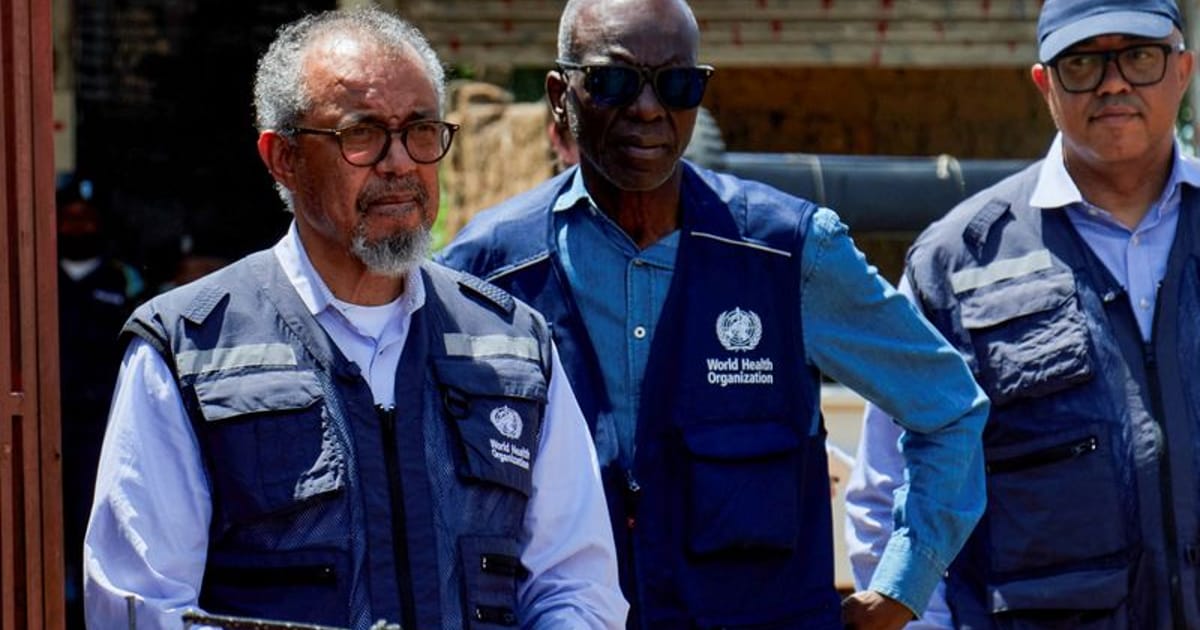
World Health Organization Director-General Tedros Adhanom Ghebreyesus arrived in Kinshasa, Democratic Republic of the Congo, on May 28, 2026, to coordinate response efforts against an outbreak of the Bundibugyo Ebola virus. Health officials face significant logistical hurdles as aid organizations warn that the virus may be spreading undetected in the region.
Outbreak Scope and Detection Challenges
cluster (priority): AP News
The current outbreak, concentrated in Ituri province with additional cases in North Kivu and South Kivu, is officially recognized as the third-largest on record. While government data reported by the Ministry of Communication and Medias indicates 282 confirmed cases and 42 deaths, the situation remains fluid. The World Health Organization (WHO) confirmed 906 suspected cases as of late last week.
Despite the official figures, the International Rescue Committee (IRC) warns that the true scale of the crisis is likely much larger. According to Rachel Howard, IRC’s senior technical emergency health advisor, the virus may have been circulating for up to three months before the first cases were identified in mid-May. The agency reports that only 20% of contacts are currently being traced, creating a significant gap in containment efforts.
“When four out of five contacts are not being traced, it becomes incredibly difficult to contain the outbreak or even understand its true scale,” Rachel Howard, senior technical emergency health advisor at the International Rescue Committee.
High-Level Response and Community Engagement
cluster (priority): BBC
Director-General Tedros Adhanom Ghebreyesus is scheduled to meet with President Felix Tshisekedi in Kinshasa on Monday, June 1, to discuss resource mobilization. This mission, which includes Minister of Health Dr. Samuel Roger Kamba and Minister of Communication and Medias Patrick Muyaya Katembwe, emphasizes a partnership-led approach to the crisis.
In a joint statement released by the WHO and the Congolese government, officials acknowledged that the situation is “a challenging time.” The response strategy focuses on intensifying surveillance, laboratory testing, and community-led solutions. Because the Bundibugyo strain currently lacks a licensed vaccine or specific treatment, the focus remains on traditional public health measures.
“Persistent challenges include early detection and isolation of cases, contact tracing, safe and dignified burials, robust infection prevention and control in health facilities, and strong community awareness,” Joint statement by the Government of the DRC and WHO.
Medical Recovery and Frontline Risks
UN Peace Chief Visits DR Congo Amid Security Crisis
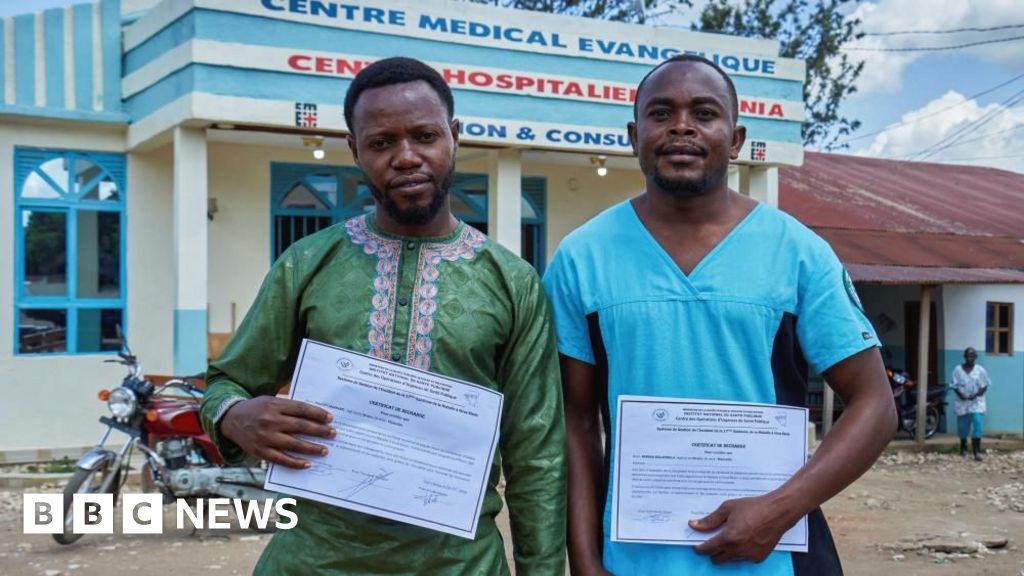
Amid the ongoing volatility, there have been signs of recovery. On Sunday, five health workers—four nurses and one other staff member—were recognized for their recovery from the virus during a ceremony in Bunia. According to AP News, the WHO reported that four of these patients were discharged on Sunday, with one additional patient discharged the day prior.
The recovery of these individuals marks a pivotal moment in an outbreak characterized by significant fear and misinformation. Some patients, such as Baraka Bulambulu, reported that community members initially avoided them due to fear of the unknown illness. For frontline workers, the physical toll is compounded by the high risk of exposure.
“It pains me to see health workers who have already died because of Ebola while serving others… this is the risk which comes with the profession, but your commitment and coming back again to serve means a lot,” Tedros Adhanom Ghebreyesus, WHO Director-General.
Operational Hurdles and Future Outlook
cluster (priority): news.google.com
Despite the recovery of some patients, organizations like Doctors Without Borders (MSF) maintain that the virus is spreading faster than current medical infrastructure can manage. Reports from the field indicate that residents have attacked health centers due to conflicts between medical protocols for handling victims’ bodies and local burial traditions.
The path forward requires a delicate balance between medical intervention and cultural sensitivity. As the government works to initiate randomized control trials for candidate vaccines and treatments, the immediate priority remains the expansion of testing and the stabilization of supply chains in the affected provinces. The success of these efforts hinges on the ability of health authorities to bridge the trust gap with local communities to ensure that early symptoms—such as vomiting and headaches—are treated in medical facilities rather than ignored due to fear of stigma or poisoning rumors.
ail: emily.johnson@headlinez.news
Bio:
Emily Johnson serves as News Editor at Headlinez.News, overseeing the publication’s coverage of national and breaking stories. She has worked in journalism for more than 12 years, building a reputation for precision, credibility, and rapid-response reporting. Emily’s editorial philosophy focuses on clear, fact-based writing that helps readers understand the full context behind the day’s most important events. Her expertise bridges traditional reporting and modern digital news strategies.
Expertise: Breaking news, political reporting, fact-checking, newsroom coordination, public affairs.
Location: Washington, D.C., USA