
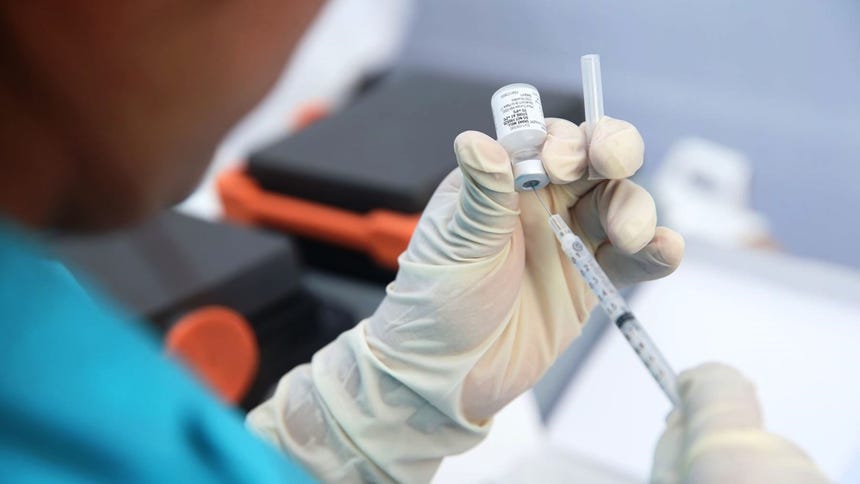
Health authorities in Peru’s Lambayeque region have confirmed a second case of measles in a child under five, following more than a decade of dormancy for the disease in the area. The infection, identified in the district of José Leonardo Ortiz, has triggered urgent epidemiological surveillance and a renewed push for childhood vaccinations.
A Decade of Silence Broken by Confirmed Measles Cases
The resurgence of measles in Lambayeque marks a significant shift in the region’s public health status. After more than ten years without a confirmed case, the Gerencia Regional de Salud (Geresa) has now identified two children infected with the virus. Vanessa Siapo, the subgerente regional de Salud, confirmed that both patients are siblings, aged two and five years old, residing in the district of José Leonardo Ortiz. Both children are currently in stable condition and remain under close medical monitoring, as reported by RPP.
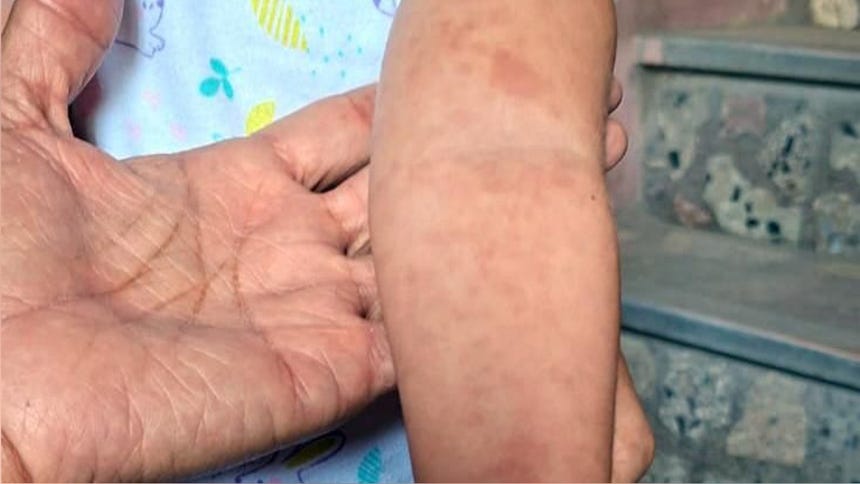
The path to this outbreak appears linked to significant gaps in immunization. According to Reina de la Selva, the index case involved a two-year-old child from the district of La Victoria whose parents declined vaccination due to religious beliefs. This hesitation toward immunization is not an isolated incident; health officials noted that between 2021 and 2025, approximately 22,000 children in Lambayeque failed to receive any doses of the measles vaccine, leaving a substantial population segment vulnerable to the highly contagious virus.
Surveillance and the Challenge of Vaccine Hesitancy
The regional health office has mobilized an aggressive response to contain the spread. Beyond the two confirmed cases, Agencia Peruana de Noticias | ANDINA reports that nine cases were initially identified as suspicious across Chiclayo, José Leonardo Ortiz, and La Victoria. While seven of those have been cleared through serological testing, two remain under evaluation by the Instituto Nacional de Salud. The health department has activated a sanitary surveillance system to track potential contacts and identify families who have missed scheduled vaccinations.
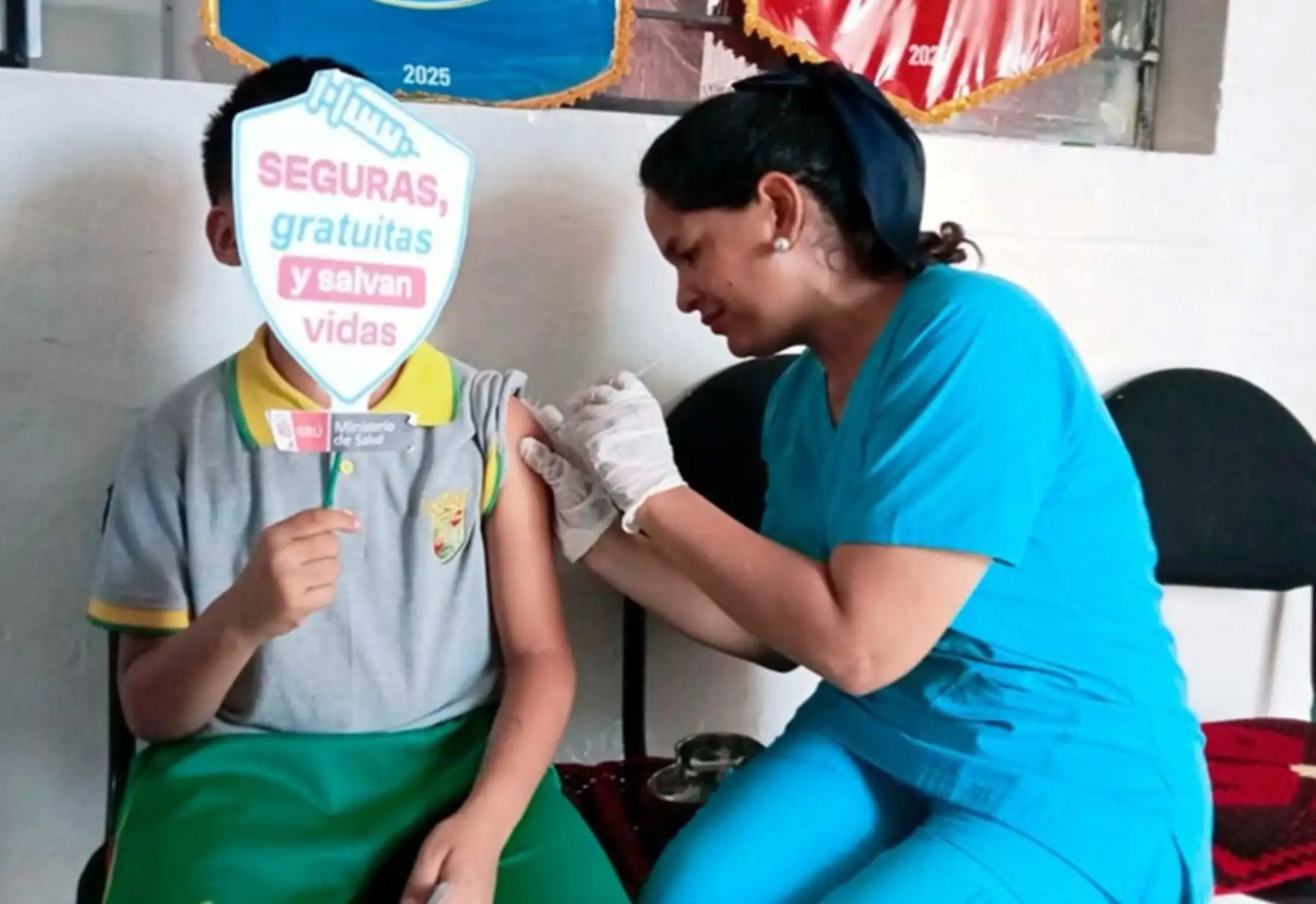
José Antonio Enríquez Salazar, the coordinator of Immunizations for Geresa Lambayeque, emphasized that the current strategy focuses on closing the immunization gap for children up to 10 years old. He underscored that the system is prioritizing diagnostic testing and the rapid identification of susceptible individuals within the affected districts.
"Como sector salud, estamos activando nuestro sistema de vigilancia; se está garantizando el diagnóstico y, ante un caso sospechoso, realizamos la búsqueda de aquellas personas que no han completado su esquema de vacunación, enfocándonos en menores de hasta 10 años para poder contener esta enfermedad.
Addressing the Vaccination Gap
The data regarding regional coverage is concerning. Current records indicate that only 23% of the target population of one-year-olds has been vaccinated, far below the 33% threshold expected for this time of year. Furthermore, only 17% of the more than 120,000 children under five in the region have completed their full 18-dose immunization schedule. This low coverage, coupled with high commercial and migratory movement, has created a fertile environment for the virus to re-establish itself.
Regarding the vaccination status of the first confirmed patient, Vanessa Siapo provided clarity on the child’s clinical history, noting that the child had only received initial neonatal immunizations.
"Por lo que me están reportando es que no ha tenido el esquema completo de vacunación, solamente ha recibido las vacunas de recién nacido.
Health officials are now urging parents to look past religious or personal concerns and prioritize standard medical guidance. The message from the Geresa team is clear: the vaccines provided by the public health system are both safe and essential for preventing severe complications such as pneumonia or encephalitis.

"La vacuna es gratuita, segura y de calidad, las familias deben informarse de fuentes veraces para tomar la mejor decisión; la vacunación es un estilo de vida saludable que previene enfermedades graves como la polio, influenza, varicela, sarampión, entre otras.
As the region works to contain the current outbreak, the focus remains on the "epidemiological cordon" established in the affected districts. Brigades are working to identify unvaccinated children and bring them up to date. Residents are advised to monitor children for symptoms including fever, general malaise, and skin rashes that begin on the face and thorax, and to report to the nearest health facility immediately if these signs appear.
For families with questions about vaccine safety or potential side effects, health authorities recommend direct consultation with medical professionals at local health centers rather than relying on unverified information. The coming weeks will be critical in determining whether these clusters can be contained or if the virus will continue to circulate among the region’s large pool of unprotected children.
Consult your healthcare provider to ensure your child’s vaccination schedule is current.
