
French health authorities have confirmed two cases of Middle East Respiratory Syndrome (MERS-CoV) in travelers returning from the Arabian Peninsula, prompting increased surveillance and preventative measures. While the risk of widespread transmission remains low, the confirmed cases-the first in France as 2013-serve as a reminder of the continued global threat posed by emerging infectious diseases [[1]]. health officials are closely monitoring contacts of the infected individuals and emphasizing the importance of adhering to established protocols for infection control.
French health officials have confirmed two cases of Middle East Respiratory Syndrome (MERS-CoV) in individuals who recently traveled to the Arabian Peninsula. The cases, identified on Wednesday, December 3, raise concerns about the potential for imported infections, though authorities say the risk of wider transmission remains low.
Both patients are currently hospitalized and in stable condition, according to Health Minister Stéphanie Rist. “All necessary measures have been implemented to limit the risk of transmission of the virus to patients’ contacts and healthcare personnel,” Rist said in a statement. These measures include contact tracing, adherence to barrier protocols, testing, isolation, and guidance on managing even mild symptoms.
The two individuals were part of a group that traveled together, but officials stated that no secondary transmission has been identified within France at this time. Other members of the travel group are also being monitored.
Transmission from Animals to Humans
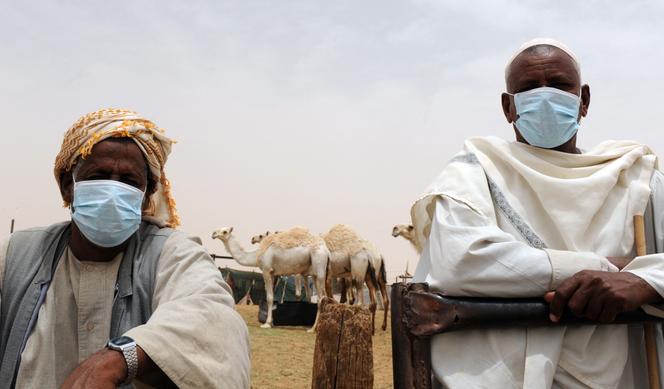
MERS-CoV, first identified in Saudi Arabia in 2012, is considered a more lethal but less contagious relative of the virus that causes Severe Acute Respiratory Syndrome (SARS). The virus primarily spreads from animals to humans, with dromedary camels and bats in the Arabian Peninsula and parts of Africa serving as reservoirs, the Health Ministry explained. The incubation period for the virus ranges from five to fifteen days.
An outbreak of MERS between 2012 and 2015 resulted in hundreds of deaths worldwide, primarily in Saudi Arabia. As of November 3, 2025, the Ministry of Health has recorded a total of 2,640 cases of MERS-CoV globally. The virus causes symptoms similar to those of COVID-19, including fever, cough, and difficulty breathing.
The Ministry emphasized that human-to-human transmission is “rare” but “possible through direct or indirect contact, via respiratory droplets and occasionally airborne transmission.” Transmission primarily occurs among healthcare workers performing medical procedures on infected patients or among close household contacts.
Prior to these recent cases, France had only identified two cases of MERS-CoV in 2013, according to the Ministry of Health.
