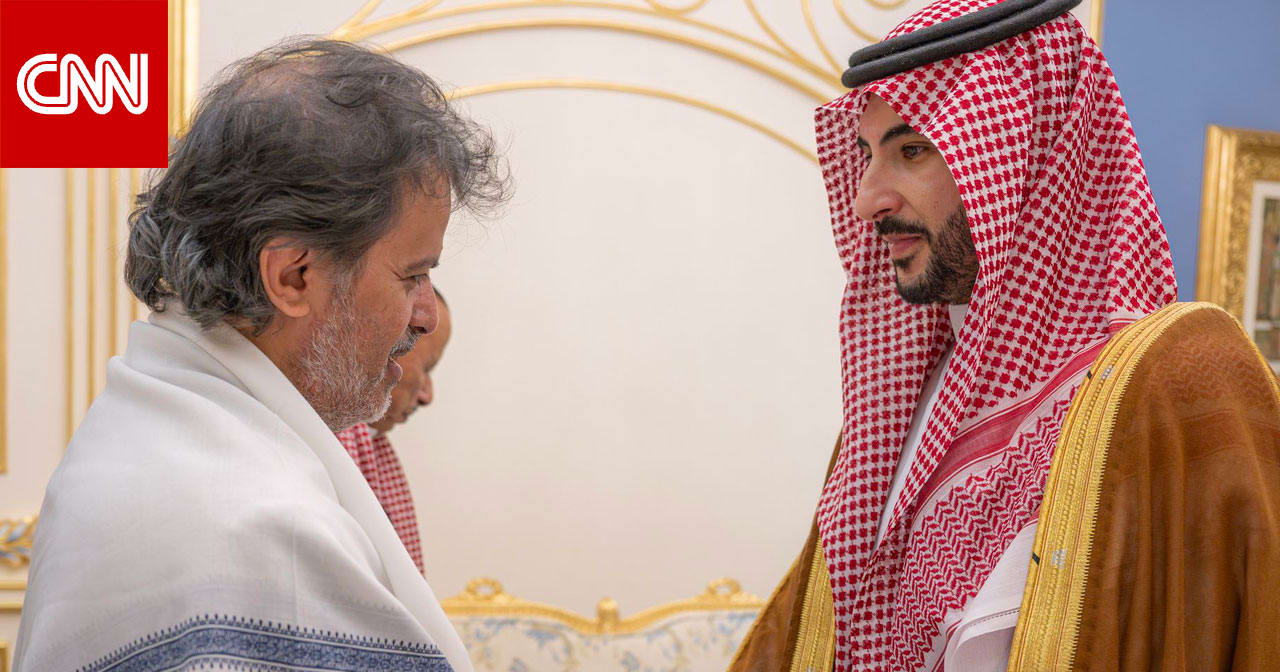
The Saudi defense minister, Prince Khalid bin Salman, led a high-level delegation to Riyadh on Sunday to offer condolences to the family of Yemen’s former president, Abdrabbuh Mansour Hadi, who died this week. The visit underscored Saudi Arabia’s diplomatic ties with Yemen’s political class, even as the country remains mired in conflict.
Who Sent Condolences and Why It Matters
Prince Khalid bin Salman, Saudi Arabia’s defense minister, personally delivered condolences to Hadi’s family in Riyadh, accompanied by Saudi Foreign Minister Prince Faisal bin Farhan, the intelligence advisor to the defense ministry, and the Saudi ambassador to Yemen, Mohammad Al-Jaber. The delegation also included senior officials from the Saudi Ministry of Defense and representatives from the royal court. According to an official statement released by the Saudi Defense Ministry, the visit was a “gesture of respect for Hadi’s legacy as a leader who prioritized Yemen’s stability and development,” emphasizing his role in steering the country through its most turbulent decades.
The ministry’s post on X (formerly Twitter) included a photograph of the delegation meeting Hadi’s family, showing Prince Khalid bin Salman standing alongside Hadi’s sons, including his eldest son, Abdrabbuh Mansour Hadi Jr., and other relatives. The statement avoided partisan language, instead framing Hadi as a “statesman who sought to balance security, governance, and economic growth.” This framing aligns with Riyadh’s long-standing narrative of supporting Yemen’s central government, despite the kingdom’s controversial military intervention in the country’s civil war since 2015.
The inclusion of Mohammad Al-Jaber, the Saudi ambassador to Yemen, signals a deliberate effort to maintain diplomatic channels with Sana’a, where Hadi’s allies—particularly those within the General People’s Congress (GPC) party—remain influential, even in exile. The Saudi Foreign Ministry separately confirmed the delegation’s composition in a statement, noting that the visit was coordinated with Hadi’s family to ensure “dignity and respect” during the mourning period.
The Saudi gesture comes as Yemen’s political landscape remains deeply fragmented. The Houthis, who control much of northern Yemen, have not issued a public statement on Hadi’s death, though their media outlets have referenced his passing without direct condolences. Meanwhile, the Saudi-backed government-in-exile, led by President Rashad al-Alimi, has not yet commented on the delegation’s visit, though officials have privately acknowledged the symbolic importance of maintaining ties with Hadi’s family.
In a rare public address following the condolence visit, Prince Faisal bin Farhan stated that Saudi Arabia remains committed to a “political solution” in Yemen, though he did not elaborate on specific steps. The Foreign Ministry’s statement emphasized that the kingdom’s engagement with Yemen’s political class would continue, regardless of Hadi’s absence. This stance reflects Riyadh’s broader strategy of avoiding a complete withdrawal from Yemen’s political process, even as its military and economic influence has waned in recent years.
“نقلت تعازي ومواساة القيادة -أيَّدها الله- لذوي فخامة الرئيس اليمني السابق عبدربه منصور هادي في وفاته -رحمه الله-. عزاؤنا لليمن قيادةً وشعبًا.. عرفنا فخامته قائدًا حكيمًا حريصًا على أمن واستقرار وطنه وتنميته وازدهاره.. سائلًا اللّٰه أن يتغمده بواسع رحمته ومغفرته، ويسكنه فسيح جناته”
The Saudi statement is notable for its measured tone, deliberately avoiding the usual rhetoric of regional rivalries that often characterizes Gulf-Iran tensions. Instead, it highlights Hadi’s “wise leadership” and his commitment to Yemen’s security—a framing that aligns with Riyadh’s narrative of supporting a unified Yemeni state. The delegation’s composition, including both military and diplomatic officials, reflects Saudi Arabia’s dual approach: maintaining security ties while pursuing political engagement.
However, the visit also carries risks. The Houthis, who view Hadi as a Saudi proxy, may use his death to rally support, framing him as a martyr in their narrative of resistance against foreign intervention. Meanwhile, southern separatist movements, which have gained momentum since the UAE’s withdrawal of military support in 2021, could exploit the political vacuum to push for greater autonomy or even independence. The Saudi delegation’s presence in Riyadh suggests an attempt to preempt such developments by reinforcing ties with Hadi’s allies, particularly within the GPC and among tribal leaders who have historically supported the central government.
The Life of a Leader: From Military Cadet to Yemen’s Exiled President
السعودية تعزي اليمن في وفاة الرئيس السابق عبدربه منصور هادي
Abdrabbuh Mansour Hadi’s death marks the end of a political career that spanned over six decades, from his early days as a military officer to his controversial presidency and eventual exile. Born in 1945 in Abyan Governorate, Hadi joined the military in 1964, graduating from the Army of Aden Protectorate school—a British-trained institution that became a cornerstone of Yemen’s southern security forces. His military education continued abroad, including stints at the Nasser Military Academy in Cairo and training programs in the Soviet Union and Britain, which shaped his career trajectory.
Hadi’s political rise was closely tied to Yemen’s turbulent history. In 1986, he played a key role in the violent January events within the ruling Socialist Party of South Yemen, leading to his expulsion from the party and a death sentence in absentia. His exile lasted until 1992, when he was pardoned and allowed to re-enter Yemeni politics. This period marked his reintegration into the political mainstream, setting the stage for his later appointments under President Ali Abdullah Saleh.
After Yemen’s unification in 1990, Hadi was appointed as a presidential advisor to Saleh, a position that allowed him to gain influence within the ruling General People’s Congress (GPC). By 1994, he had earned a master’s degree from the Nasser Military Academy and was promoted to brigadier general. That same year, he served briefly as Yemen’s defense minister before becoming Saleh’s vice president. His political acumen and loyalty to Saleh earned him further promotions, including his election as deputy speaker of the GPC in 1995.
Hadi’s presidency, which began in 2012 following Saleh’s ouster during the Arab Spring uprisings, was defined by the collapse of Yemen’s political order. His tenure was overshadowed by the Houthi rebellion, which seized Sana’a in 2014, forcing Hadi into exile in Riyadh. The Saudi-led military intervention that followed, aimed at restoring his government, deepened Yemen’s humanitarian crisis, leaving millions displaced and dependent on international aid. His death at age 79 closes a chapter on a leader whose legacy remains deeply contested: a reformist in rhetoric, but a survivor of Yemen’s shifting political sands in practice.
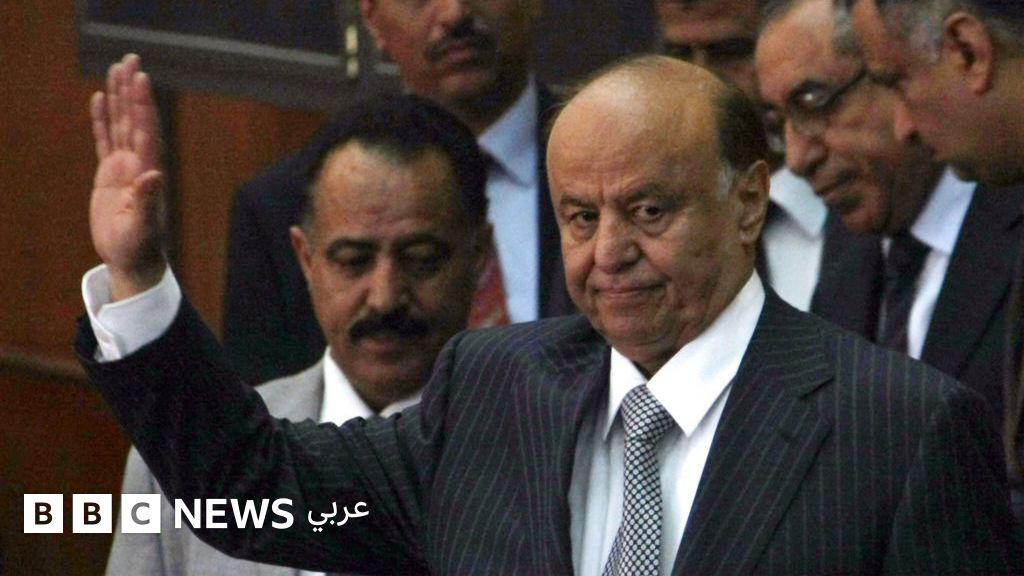
A detailed timeline of Hadi’s military and political career, including his roles in key conflicts and political transitions, was previously published by the BBC in Arabic, highlighting his evolution from a Saleh loyalist to a figurehead of Yemen’s fractured political landscape.
1964: Graduated from the Army of Aden Protectorate school, beginning a military career that would define Yemen’s southern security forces.
1986: Played a key role in the violent January events within the ruling Socialist Party of South Yemen, leading to his expulsion from the party and a death sentence in absentia.
1990: After Yemen’s unification, appointed as a presidential advisor under Ali Abdullah Saleh, the country’s longtime strongman.
1992: Pardon granted, ending his exile and allowing him to re-enter Yemeni politics.
1994: Earned a master’s degree from Nasser Military Academy in Cairo and was promoted to brigadier general, later serving as Yemen’s defense minister for five months before becoming Saleh’s vice president.
1995: Elected as deputy speaker of the General People’s Congress, Saleh’s dominant political party.
2011: Assumed the presidency following Saleh’s resignation during the Arab Spring uprisings.
2014: Forced into exile in Riyadh after the Houthi takeover of Sana’a.
2015: Became the figurehead of the Saudi-backed government-in-exile, based in Riyadh.
Hadi’s death also raises questions about the future of the GPC, the party he represented for decades. While the GPC remains a dominant political force in Yemen, its influence has been weakened by internal divisions, particularly between northern and southern factions. His sons, including Abdrabbuh Mansour Hadi Jr. and other relatives, have been active in political circles, though their roles in Yemen’s current political landscape remain unclear. The Saudi delegation’s meeting with Hadi’s family included discussions about the GPC’s future, though no formal statements have been issued regarding leadership transitions within the party.
Saudi Arabia’s Diplomatic Tightrope in Yemen
cluster (priority): BBC
The Saudi delegation’s visit to Hadi’s family is a calculated diplomatic move, reflecting Riyadh’s long-standing view of Hadi as a stabilizing figure in Yemen’s fractured political landscape. Despite the erosion of his government’s authority—with the Houthis controlling much of northern Yemen and southern separatists operating with near-autonomy—the kingdom continues to see value in engaging with Hadi’s allies. The decision to send Prince Khalid bin Salman, rather than a lower-ranking official, underscores the stakes: Hadi’s passing could accelerate Yemen’s political fragmentation, and Saudi Arabia cannot afford to be seen as abandoning its former ally.
The delegation’s composition—including military, intelligence, and diplomatic officials—signals a multi-pronged approach. Saudi Arabia aims to maintain security ties with Hadi’s supporters, particularly within the military and tribal structures that have historically backed the central government. At the same time, the visit serves as a diplomatic signal to other Yemeni factions, including the southern separatists, that Riyadh remains engaged in Yemen’s political process.
However, the gesture carries significant risks. The Houthis, who view Hadi as a Saudi puppet, may use his death to rally support, framing him as a martyr in their narrative of resistance against foreign intervention. Houthi media outlets have already begun referencing Hadi’s death in their propaganda, though the group has not issued a formal statement. Meanwhile, southern separatist movements, which have gained traction since the UAE’s withdrawal of military support in 2021, could exploit the political vacuum to push for greater autonomy or independence. The Saudi delegation’s presence in Riyadh suggests an attempt to preempt such developments by reinforcing ties with Hadi’s allies, particularly within the GPC and among tribal leaders.
Saudi Arabia’s challenge now is to navigate these fault lines without appearing to take sides. The kingdom’s military intervention in Yemen has failed to achieve a decisive victory, and its economic resources are stretched thin. The death of Hadi may force Riyadh to reassess its strategy, possibly shifting toward a more inclusive approach that incorporates southern leaders and even Houthi representatives—though such a move would be politically toxic in the Gulf.
In a private meeting with the delegation, Hadi’s family expressed gratitude for Saudi Arabia’s support over the years, particularly during his exile. They also raised concerns about the future of Yemen’s political process, emphasizing the need for a unified approach to address the country’s ongoing crisis. The Saudi officials present acknowledged these concerns, though no concrete commitments were made regarding future political engagements.
The Saudi Foreign Ministry has confirmed that the delegation’s visit was part of a broader effort to maintain dialogue with Yemen’s political elite. In a statement, the ministry reiterated that Saudi Arabia remains committed to a “political solution” in Yemen, though it did not provide specifics on how this would be achieved. The visit also included discussions about humanitarian aid and economic support for Yemen, though details of any pledges remain undisclosed.
The Saudi approach contrasts with that of the UAE, which has significantly reduced its military presence in Yemen since 2021. While the UAE maintains diplomatic ties with Yemen, its focus has shifted toward economic and development projects in the region, particularly in southern Yemen. This shift has left a void in Saudi Arabia’s strategy, which now relies more heavily on political engagement rather than military intervention.
What Comes Next for Yemen?
With Hadi’s death, Yemen’s political future hinges on three competing forces: the Houthis, the Saudi-backed government-in-exile led by President Rashad al-Alimi, and the southern separatists. The Houthis, who have consolidated power in northern Yemen, are unlikely to recognize any successor government unless it aligns with their interests. Their media outlets have already begun framing Hadi’s death as a symbol of the failures of foreign intervention, though the group has not yet outlined a clear political strategy moving forward.
The southern separatist movement, led by figures such as Aidarus al-Zoubaidi and other leaders of the Southern Transitional Council (STC), has been gaining momentum since the UAE’s withdrawal. Their demand for independence—or at least a federal system with strong regional autonomy—could gain further traction now that Hadi, a northern leader, is no longer in the picture. The STC has not issued a public statement on Hadi’s death, but its leaders have privately indicated that they see an opportunity to push for greater autonomy in the absence of a unifying figure like Hadi.
The Saudi-backed government-in-exile, led by Rashad al-Alimi, remains the internationally recognized authority in Yemen, though its influence is limited to areas under its control, primarily in Aden and surrounding regions. Al-Alimi has not yet commented on Hadi’s death, but officials close to his administration have acknowledged the symbolic importance of maintaining ties with Hadi’s family. The government-in-exile’s ability to govern effectively will depend on its ability to unite disparate factions, a task that has proven elusive since Hadi’s exile in 2015.
Saudi Arabia’s role will be critical in shaping Yemen’s future. The kingdom has already signaled its intention to maintain engagement with Yemen’s political class, but its leverage is limited. The Saudi-led military campaign has failed to achieve a decisive victory, and the kingdom’s economic resources are stretched thin. The death of Hadi may force Riyadh to reassess its strategy, possibly shifting toward a more inclusive approach that incorporates southern leaders and even Houthi representatives. However, such a move would be politically toxic in the Gulf, where hardline factions oppose any concessions to the Houthis.
In the immediate aftermath of Hadi’s death, the focus remains on his funeral and the political fallout. The Saudi delegation’s presence in Riyadh suggests that, despite the chaos, Saudi Arabia still sees value in engaging with Yemen’s elite. However, without a clear successor or a unified political vision, Yemen’s future remains as uncertain as ever. The country’s humanitarian crisis continues to worsen, with millions displaced and dependent on international aid, while the conflict shows no signs of resolution.
For deeper context on Hadi’s military and political career, see the BBC’s detailed timeline of his life and career here. The Saudi Defense Ministry’s statement, including the delegation’s composition, is available here.
The message underscored Yemen’s collective grief while honoring Hadi’s legacy as a unifying figure in a country still grappling with the fallout of his presidency and the broader conflict’s enduring challenges.
ail: emily.johnson@headlinez.news
Bio:
Emily Johnson serves as News Editor at Headlinez.News, overseeing the publication’s coverage of national and breaking stories. She has worked in journalism for more than 12 years, building a reputation for precision, credibility, and rapid-response reporting. Emily’s editorial philosophy focuses on clear, fact-based writing that helps readers understand the full context behind the day’s most important events. Her expertise bridges traditional reporting and modern digital news strategies.
Expertise: Breaking news, political reporting, fact-checking, newsroom coordination, public affairs.
Location: Washington, D.C., USA