
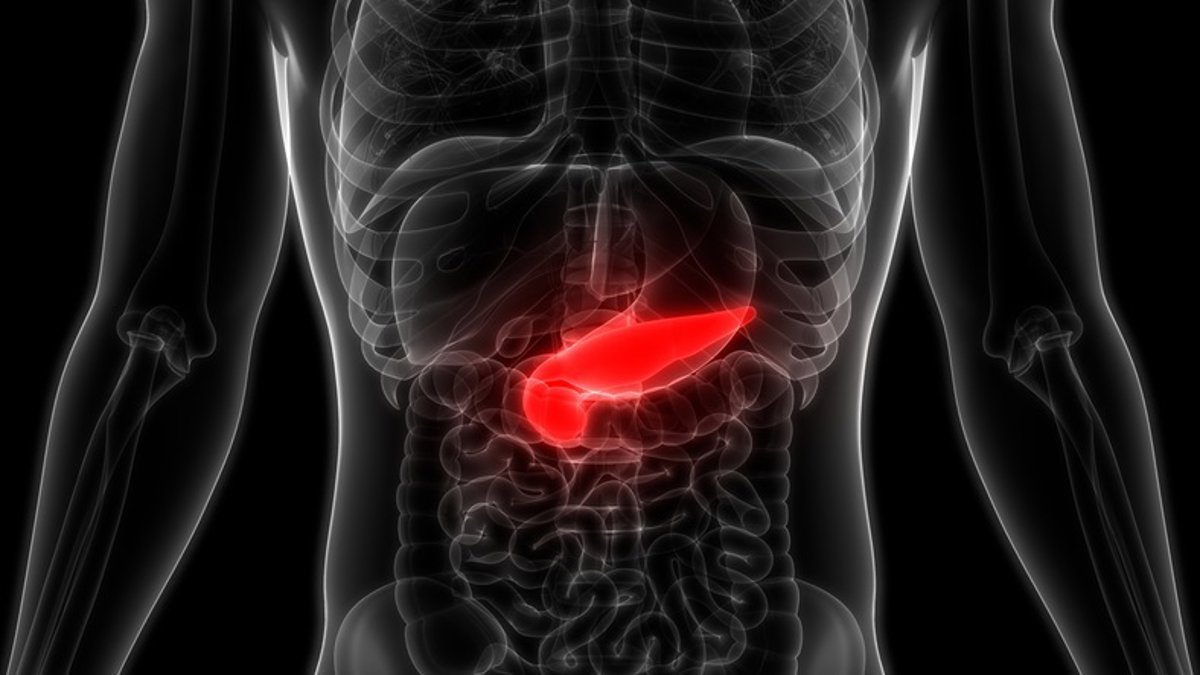
Pancreatic cancer is a particularly aggressive disease, and incidence rates have been steadily climbing.New data reveals the number of pancreatic cancer diagnoses has doubled in the last 25 years, and experts now project it will become the second leading cause of cancer-related deaths by 2030.This article features insights from Dr. José Ignacio martín Valadés of MD Anderson Cancer Center Madrid – Hospiten, who details the challenges of early detection and the evolving landscape of treatment for this increasingly prevalent cancer.
MADRID, Nov. 20 (EDIZIONES) –
Pancreatic cancer rates have doubled in the last 25 years, and experts predict it will become the second leading cause of cancer death by 2030. Early detection is a significant challenge, as the disease often presents with vague symptoms or is diagnosed at an advanced stage, making treatment more difficult.
José Ignacio Martín Valadés, head of the Digestive Tumors Section at MD Anderson Cancer Center Madrid – Hospiten, explains in an interview why this cancer is so aggressive, how treatments have evolved, and what research is underway to improve patient survival rates.
“Over the past 25 years, the incidence of pancreatic cancer has doubled, and it’s estimated that by 2030 it will be the second leading cause of cancer death,” he said. “The increase in incidence is a multifactorial phenomenon, attributed to a combination of modifiable and non-modifiable risk factors, improved detection, and advances in diagnostics.”
FACTORS THAT CONTRIBUTE TO PANCREATIC CANCER
Regarding non-modifiable factors, he notes that the rise in cases is likely linked to an aging population, as the tumor is frequently diagnosed in people over 60. However, he also points out an increasing incidence in younger patients, potentially due to lifestyle factors and genetic predisposition.
When it comes to modifiable risk factors, the specialist emphasizes that “clearly” tobacco use is the most influential factor in this increase, accounting for 25-30% of pancreatic cancer cases.
The head of the Digestive Tumors Section at MD Anderson Cancer Center Madrid – Hospiten lists other factors that can contribute to the development of the disease:
· Obesity and a sedentary lifestyle: Being overweight and physically inactive significantly increases risk, with a relative risk 20-60% higher than the general population.
· Type 2 diabetes: Diabetes, particularly when long-standing and poorly controlled, is associated with a higher risk. Obesity promotes inflammation and insulin resistance, factors linked to cancer development.
· Chronic pancreatitis: This condition considerably increases the risk of cancer, especially when combined with alcohol or tobacco use.
· Genetic factors and family history: While most cases are sporadic, around 10% have a hereditary basis. Having a first-degree relative with pancreatic cancer or inherited syndromes linked to mutations like BRCA2, PALB2, ATM, or Lynch syndrome increases the risk.
· Unhealthy diet: A diet high in fats, sugars, and processed meats, and low in fruits and vegetables, contributes to increased risk.
· Excessive alcohol consumption: Heavy and chronic alcohol use, in combination with other factors like smoking, also increases risk.
EARLY DETECTION IS CHALLENGING
In this context, Dr. Martín Valadés laments that the lack of specific symptoms and the absence of general population screening programs mean that pancreatic cancer is often diagnosed in advanced stages. This highlights the need for increased awareness of potential symptoms and risk factors.
“Approximately, half of patients already have metastases at the time of diagnosis, 30% have locally advanced disease, and only about 20% are diagnosed with localized disease that is amenable to surgical treatment,” he details.
He explains that symptoms related to pancreatic cancer are “generally vague and non-specific” and often mistaken for other conditions. “When the tumor is located in the head of the pancreas, it often causes a blockage in the bile duct, leading to jaundice (yellowing of the skin), dark urine, and pale stools.”
Other symptoms that may appear in patients with pancreatic cancer include: abdominal pain that typically radiates to the back or in a band-like fashion; unexplained weight loss; loss of appetite; feeling full quickly; and digestive problems like diarrhea.
“In some cases, this cancer is diagnosed due to complications associated with the tumor itself, such as acute pancreatitis, thrombosis, or newly diagnosed diabetes,” adds the expert from MD Anderson Cancer Center Madrid – Hospiten.
CURRENT TREATMENTS: WHERE ARE WE TODAY?
We also asked this expert about the progress of research in these neoplasms. He emphasizes that, as with other cancers, treatment for pancreatic cancer should be “multidisciplinary,” involving specialists in digestive diseases, radiology, pathology, surgery, medical oncology, radiation oncology, and nutrition.
Treatment, as Martín Valadés clarifies, depends on the stage of the tumor:
·Localized tumors suitable for surgical removal: The cornerstone of treatment is surgery, often complemented by chemotherapy to reduce the risk of disease recurrence. If the tumor is localized but invasion of nearby structures (especially blood vessels) prevents immediate surgery, chemotherapy is administered first (neoadjuvant) to try to shrink the tumor before surgery.
·Locally advanced tumors where surgery is not possible: These are treated with chemotherapy (the same as used for those with metastases), and sometimes followed by radiation therapy, with the goal of controlling the tumor locally.
·Tumors with metastases to other organs (liver, lungs, lymph nodes, peritoneum): The primary treatment is systemic chemotherapy, which may be combined with targeted therapy using PARP inhibitors in about 5% of patients with germline BRCA mutations. Drugs targeting certain KRAS mutations, present in over 90% of pancreatic cancers, are also under development within clinical trials.
“In patients with pancreatic cancer, supportive care is as important as the cancer treatment itself, focusing on pain management, nutritional support, and managing common complications like thrombosis,” this specialist emphasizes.
PANCREATIC CANCER’S RESISTANCE TO IMMUNOTHERAPY
Finally, we asked about the resistance of pancreatic adenocarcinoma to immunotherapy, which he attributes to the complex interaction between the tumor microenvironment, which is strongly immunosuppressive, along with mechanisms of antigen escape, and altered T-cell function.
“This hinders the effectiveness of current immunotherapy treatments and requires the development of new strategies aimed at – or in combination with – these mechanisms to improve immunotherapy efficacy. These strategies are currently in development, only available within clinical trials, and are based on the use of vaccines and cell therapy, targeted therapies against the tumor stromal microenvironment; as well as the combined use of immune checkpoint inhibitors with other agents that modulate the tumor immune environment,” he concludes.
